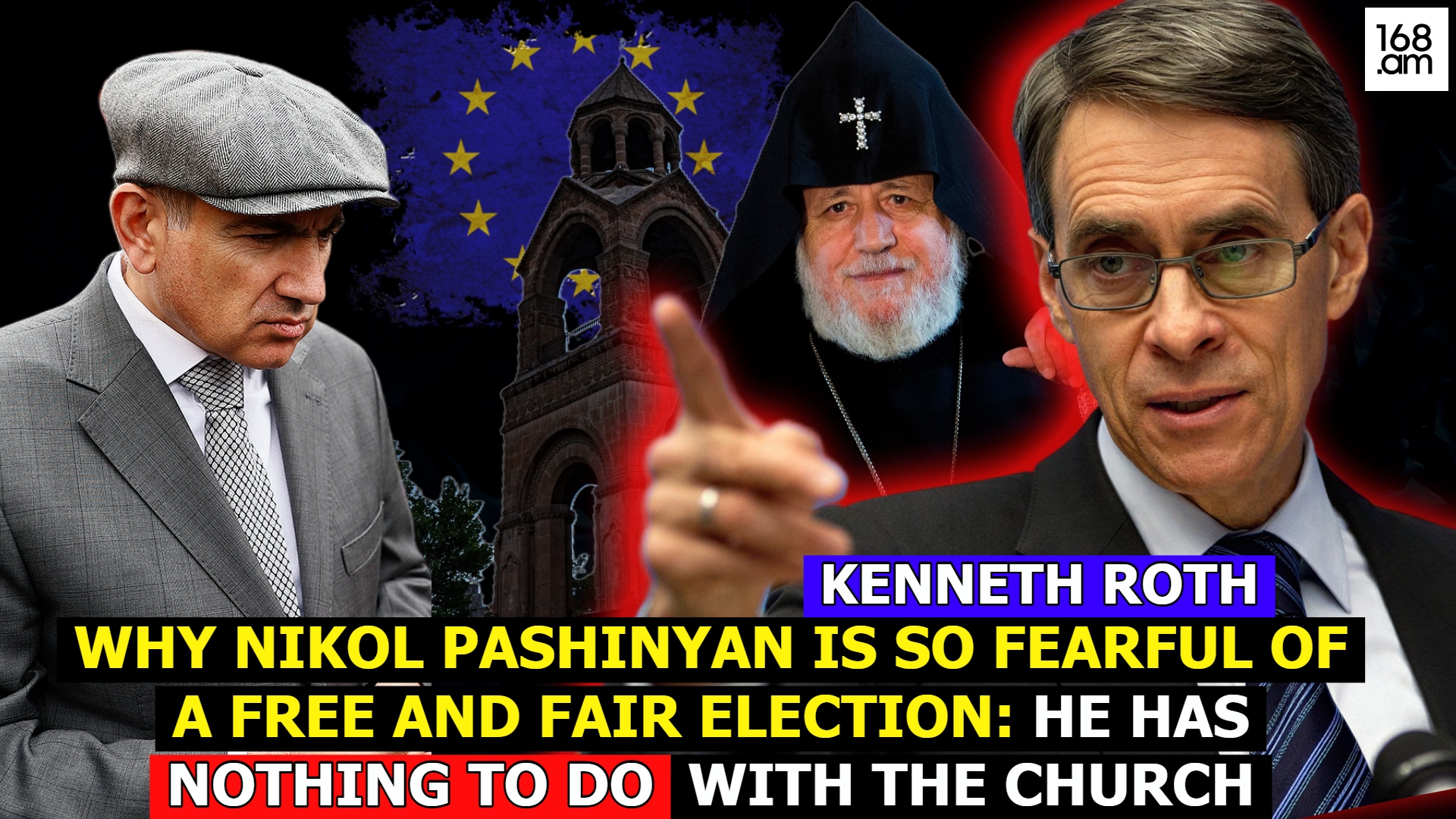
American human rights activist and former Executive Director of Human Rights Watch Kenneth Roth is simply shocked why Armenian Prime Minister Nikol Pashinyan is so afraid of free and fair elections.
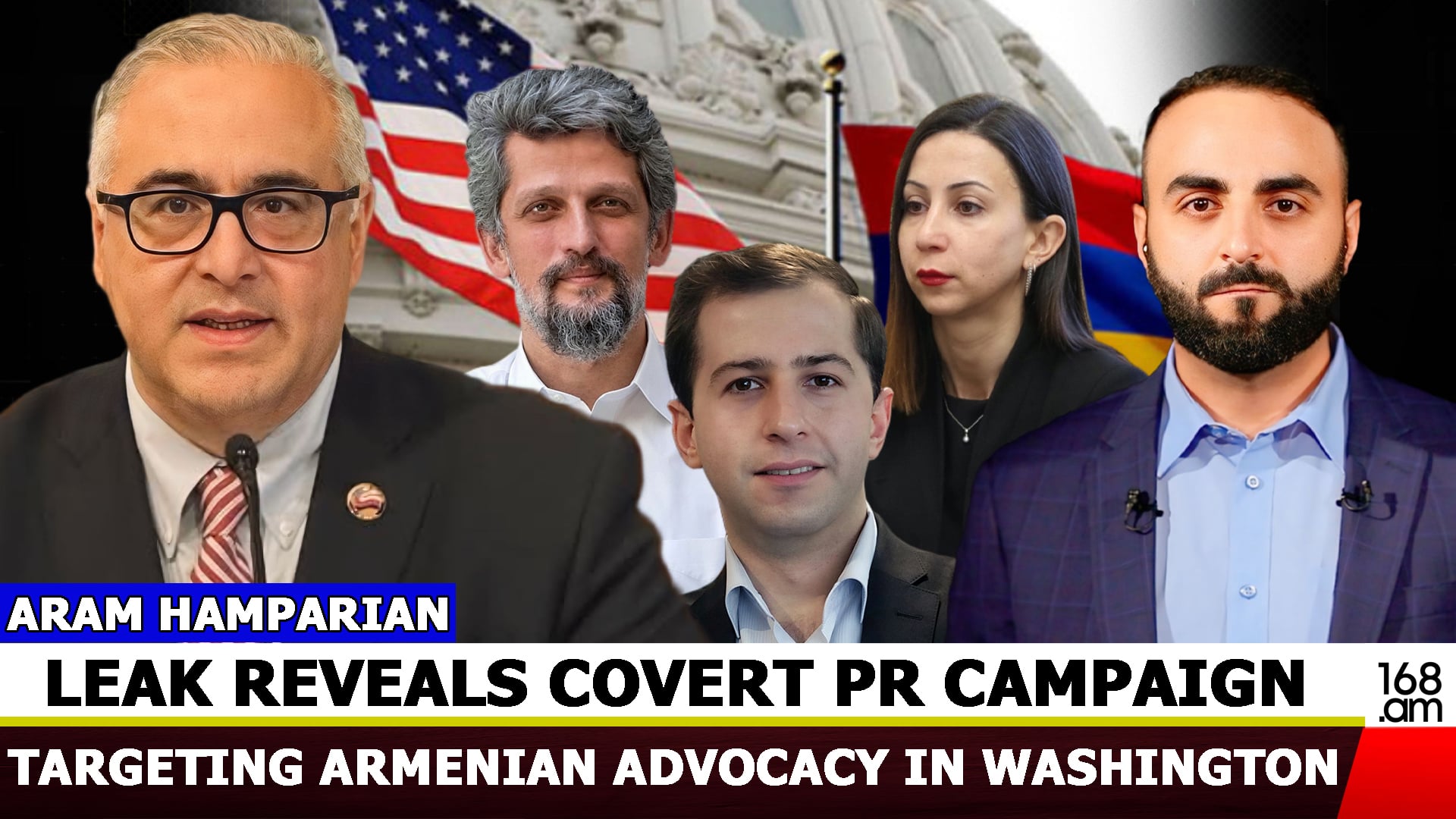
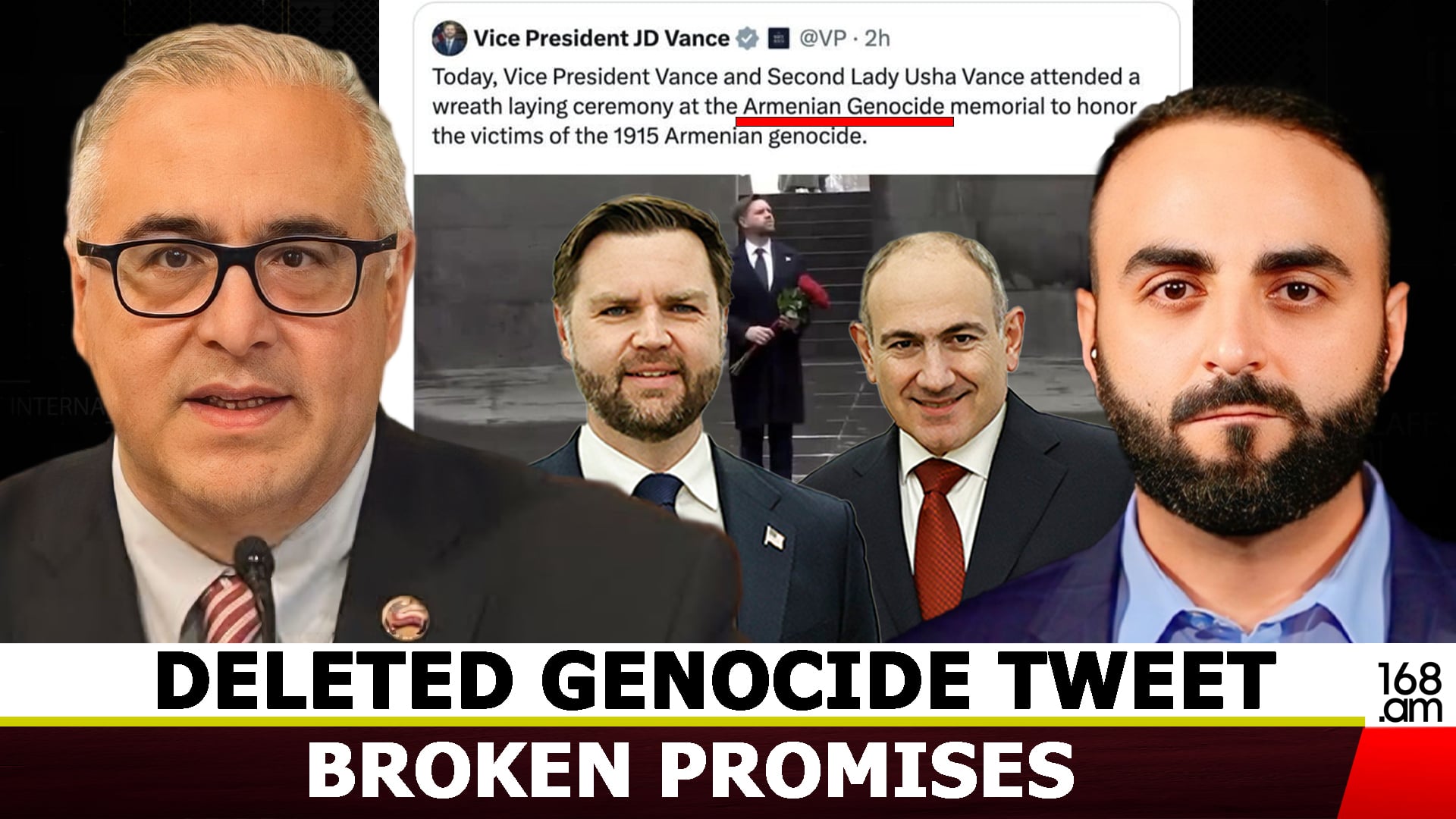
Aram Hamparian,, the executive director of the Armenian National Committee of America (ANCA) says a recently leaked communication from Apollo Strategic Communications offers a rare glimpse into what he describes as long-running efforts to undermine Armenian advocacy in Washington.
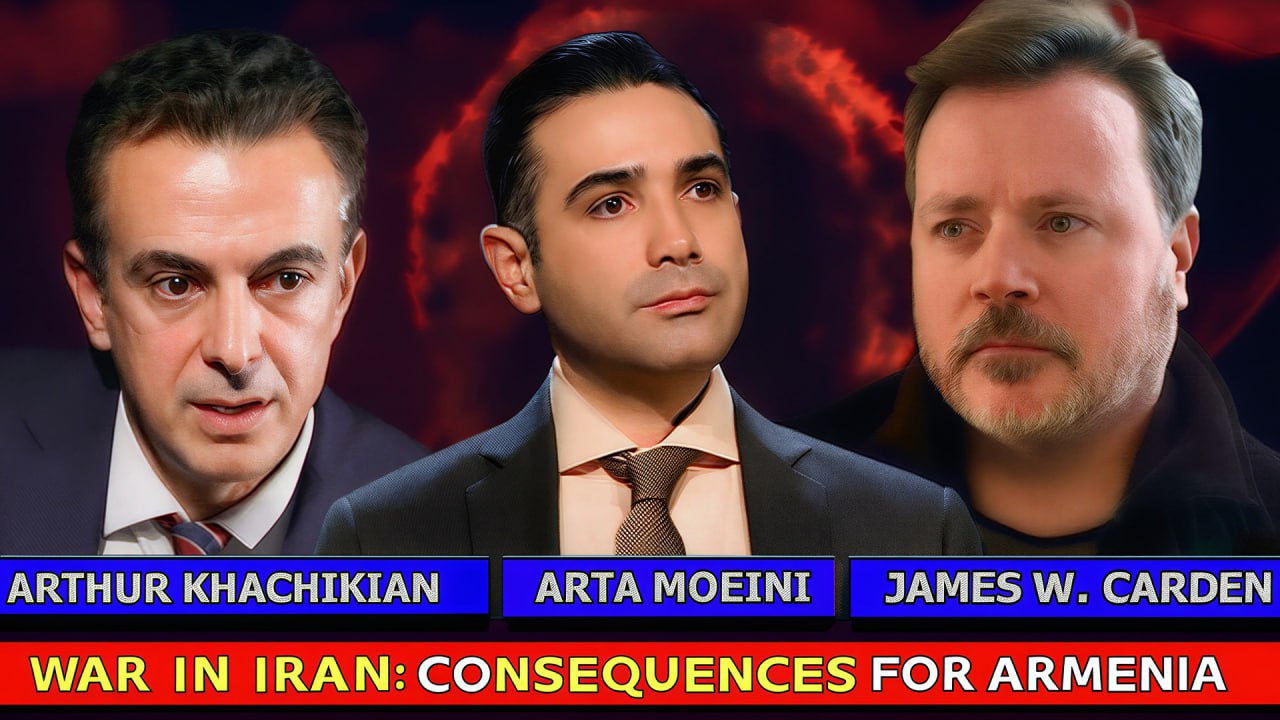
Dr. Arthur Khachikian, Stanford PhD in Political Science had an interview with Arta Moeini, Research Director, Institute of Peace and Diplomacy and James W. Carden, editor and columnist at The American Conservative, former U.S. State Department adviser, and a senior advisor to the American Committee on the US-Russia Accord (ACURA).
This is a travesty. It is ludicrous.
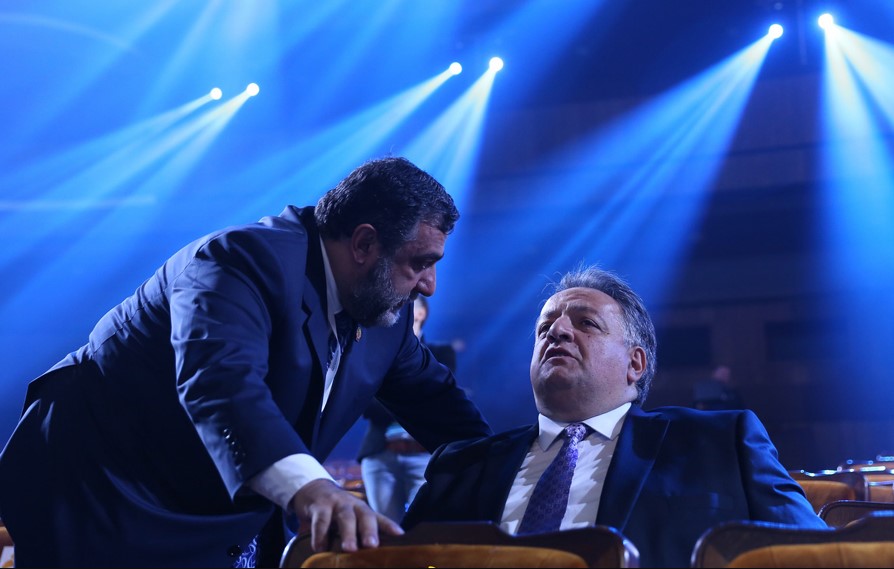
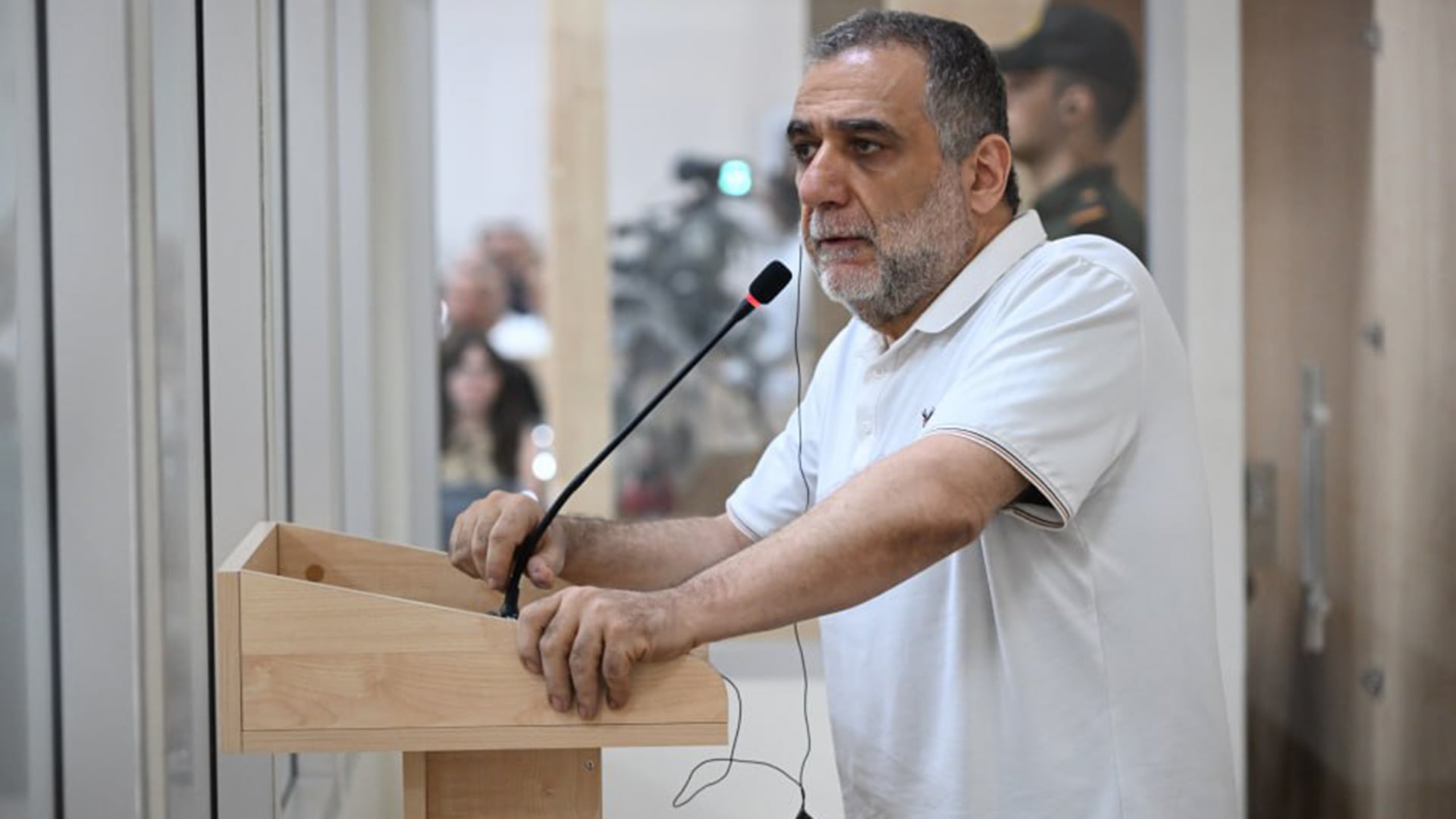
On February 17, the military court in Baku sentenced Ruben Vardanyan to 20 years of imprisonment. This verdict was not the product of an independent and impartial judicial process. It was the foreseeable outcome of proceedings driven by political considerations and fundamentally incompatible with the standards of a fair trial.
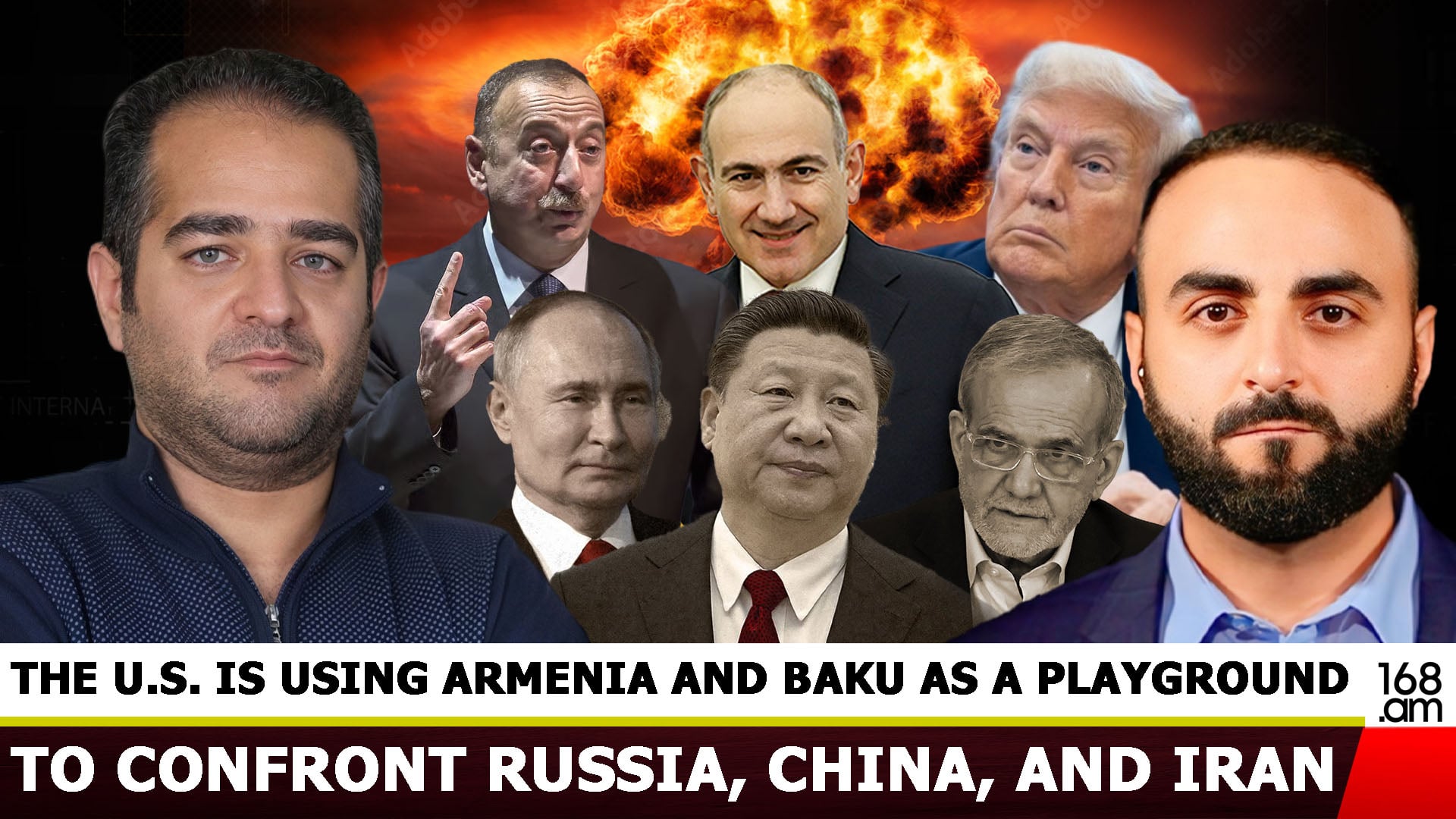
During 168TV’s program “Review,” we spoke with international relations expert, lecturer, and PhD, Ehsan Movahedian.
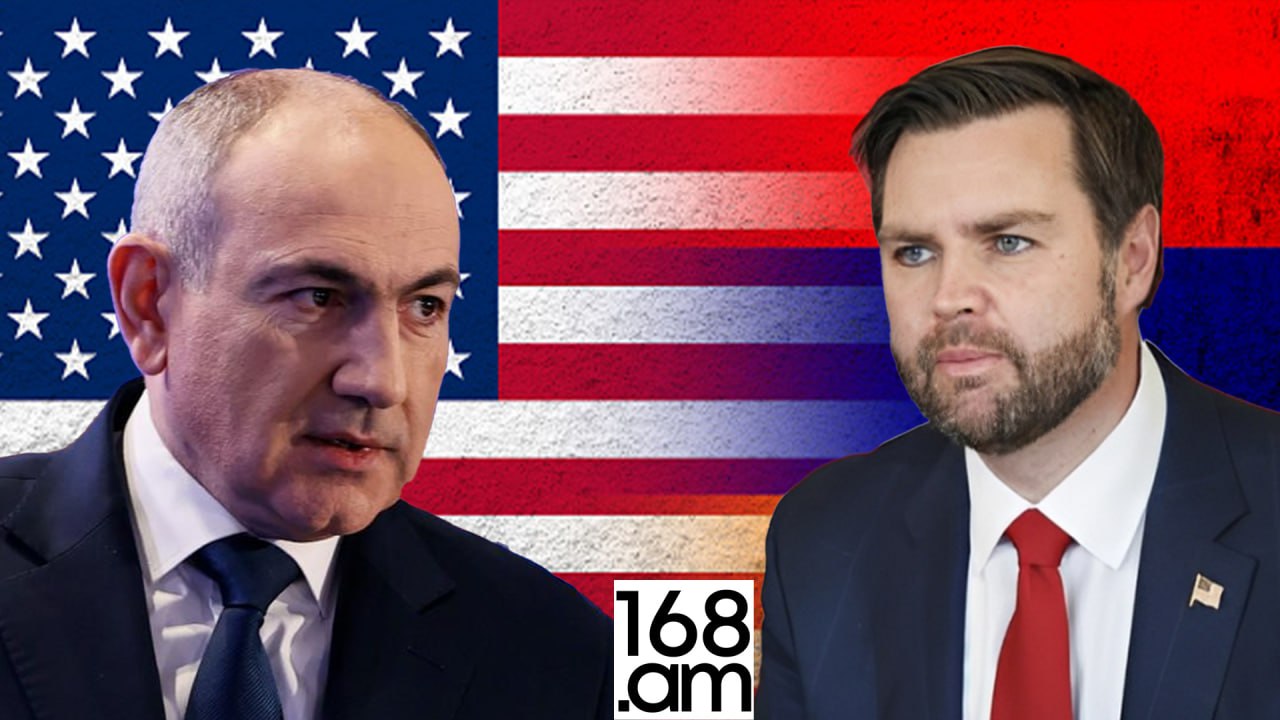
During his visit to Armenia, the U.S. Vice President J.D. Vance expressed his support for Nikol Pashinyan ahead of the upcoming elections in Armenia.
During a phone call with his family, Ruben Vardanyan conveyed the content of his final statement at the February 10 hearing. Refusing to participate in what he described as an imitation of justice, Vardanyan spoke about dignity, responsibility, and peace — all of which, he said, are only possible between equals. Below is the transcript of Ruben Vardanyan’s audio message.
#LIVESTREAMING: US Vice President Vance and Pashinyan are delivering statements