Ucom served as a strategic partner of Yerevan Conservation Symposium 2026. Held under the theme “Beyond State-Protected Areas” ahead of the UN COP17 conference, the symposium brought together global conservation leaders, representatives of government institutions, international organizations, businesses, and the expert community.
With the support of Ucom, a new AI-powered camera system for wildlife monitoring has been installed in the community of Paruyr Sevak in Armenia’s Ararat region. Ucom has provided uninterrupted connectivity and the server infrastructure needed to store the monitoring data.
Ucom and CIPR AeroSpace announce the launch of a new phase of cooperation within the “From Classroom to Orbit” program, aimed at advancing technology education in Armenia.
Ucom will participate in the 17th Conference of the Parties to the UN Convention on Biological Diversity- COP17, as part of its strategic partnership with the Foundation for the Preservation of Wildlife and Cultural Assets (FPWC), — showcasing years of work and new initiatives in nature conservation, renewable energy, and technology-driven solutions.
As part of its environmental initiatives, Ucom has measured the greenhouse gas emissions associated with the operations of its headquarters, establishing a baseline for future emissions management and reduction efforts.
168TV’s “Diplomat” program interviewed Professor Jeffrey Sachs, world known economist, bestselling author, global leader in sustainable development, Director of the Earth Institute at Columbia University.
Ucom is an Official Partner of the Armenia-UK Business Forum 2026, which will take place in Yerevan on 5–6 October, bringing together senior leaders from business, government, finance, education and innovation from Armenia and the United Kingdom.
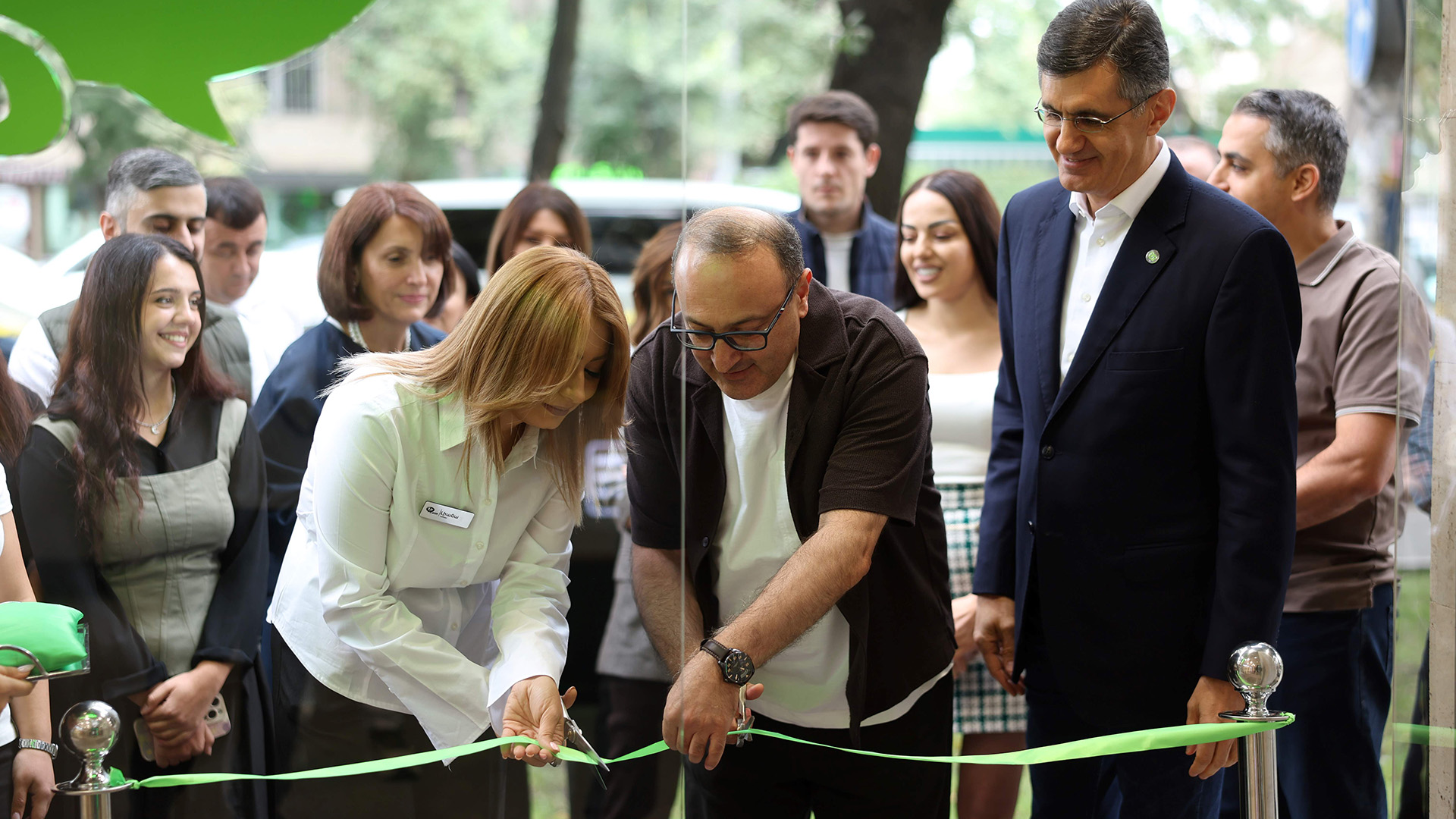
The renovated Erebuni center is part of Ucom’s network of 73 sales and service centers. The company continues to modernize its centers with the aim of providing subscribers with a comfortable environment, accessible services, and high-quality customer service.
We are pleased to announce that the redevelopment concept for the former Ministry of Foreign Affairs building, located in Republic Square, Yerevan, and owned by Corporación América Airports, was unanimously approved on September 30 by the Scientific and Methodological Council operating under the Ministry of Education, Science, Culture and Sports of the Republic of Armenia.
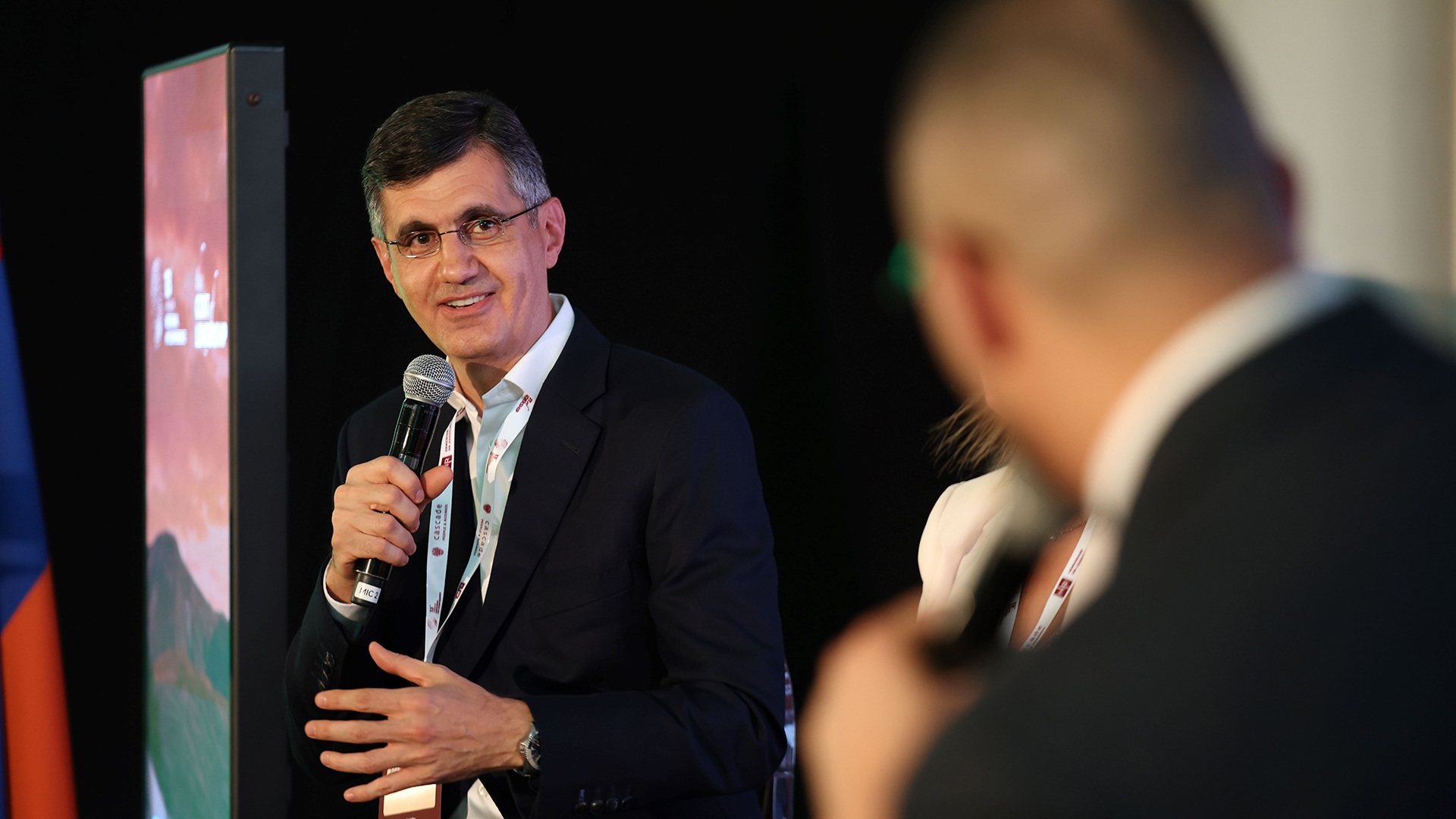
Ralph Yirikian, General Director of Ucom took part in the “The Cost of Digital Transformation” panel discussion at the 13th Annual Regional HR Conference, held under the theme “The Cost of Leadership.” Ucom served as the technology partner of the event, organized by the Armenian HR Association and Cascade People & Business.