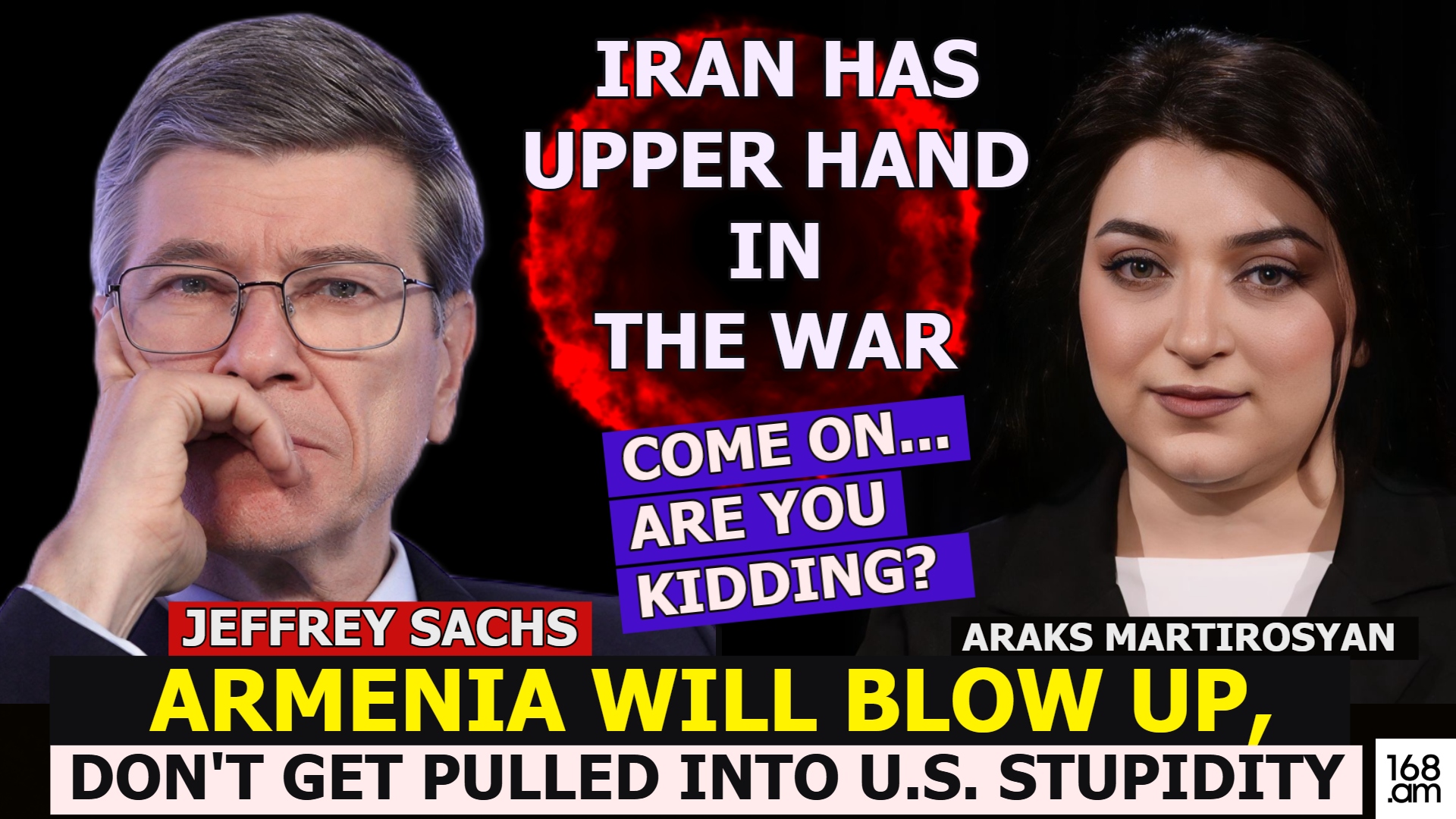
168TV’s “Diplomat” program discussed a number of geopolitical, South Caucasus and Armenian developments with Professor Jeffrey Sachs, world known economist, bestselling author, global leader in sustainable development, Director of the Earth Institute at Columbia University.
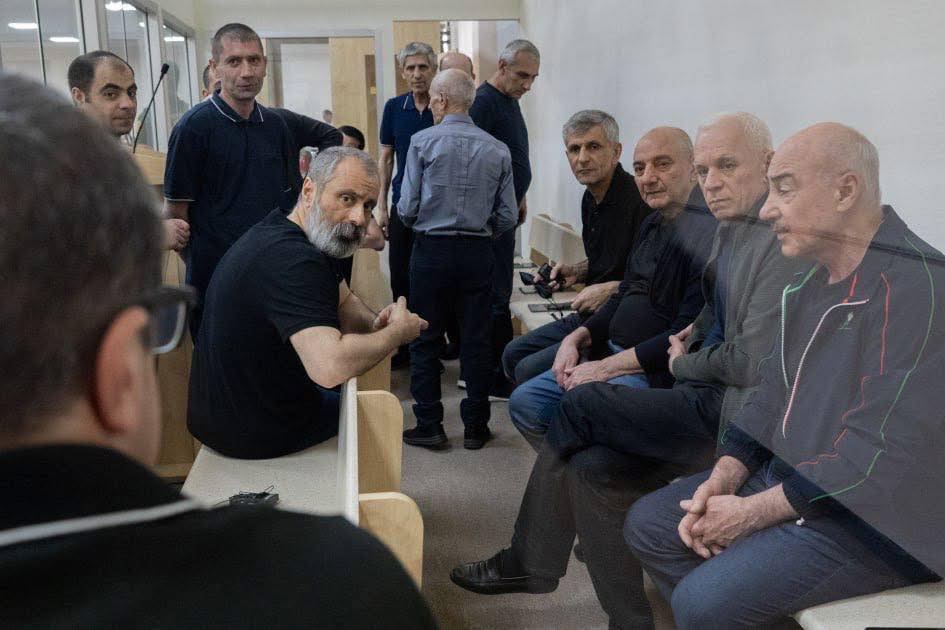
Relatives and representatives of Armenian detainees unlawfully held in Azerbaijan have sent a letter to Armenia’s Minister of Foreign Affairs, Ararat Mirzoyan; the Head of the Federal Department of Foreign Affairs of the Swiss Confederation, Ignazio Cassis; and the President of the International Committee of the Red Cross, Mirjana Spoljaric Egger, requesting the activation of the Protecting Power mechanism within the framework of international humanitarian law.
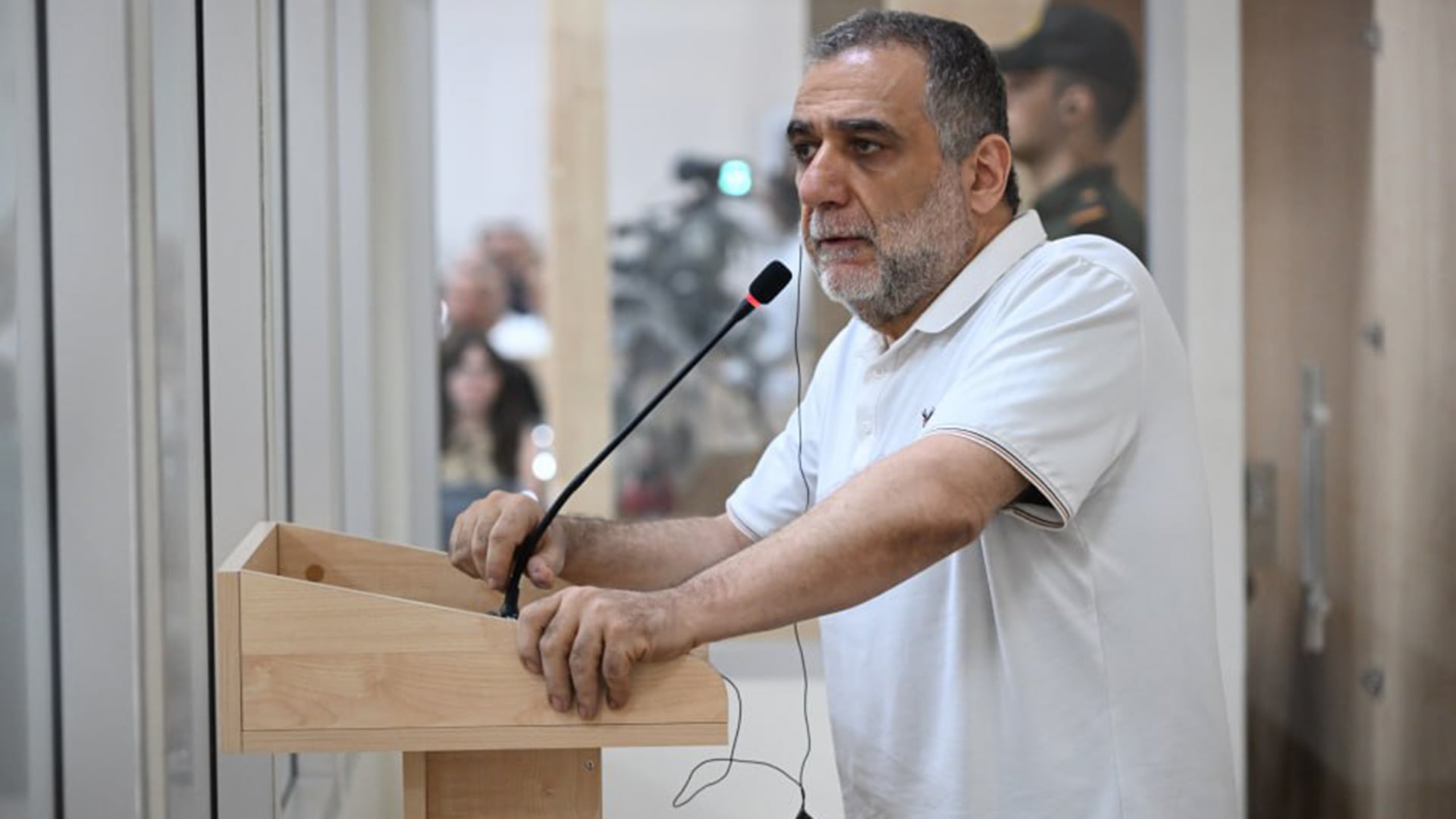
On 13 March, during a phone call with his family, Ruben Vardanyan attempted to deliver a public address to Azerbaijan’s Ombudsperson, Sabina Aliyeva. The call was forcibly terminated.
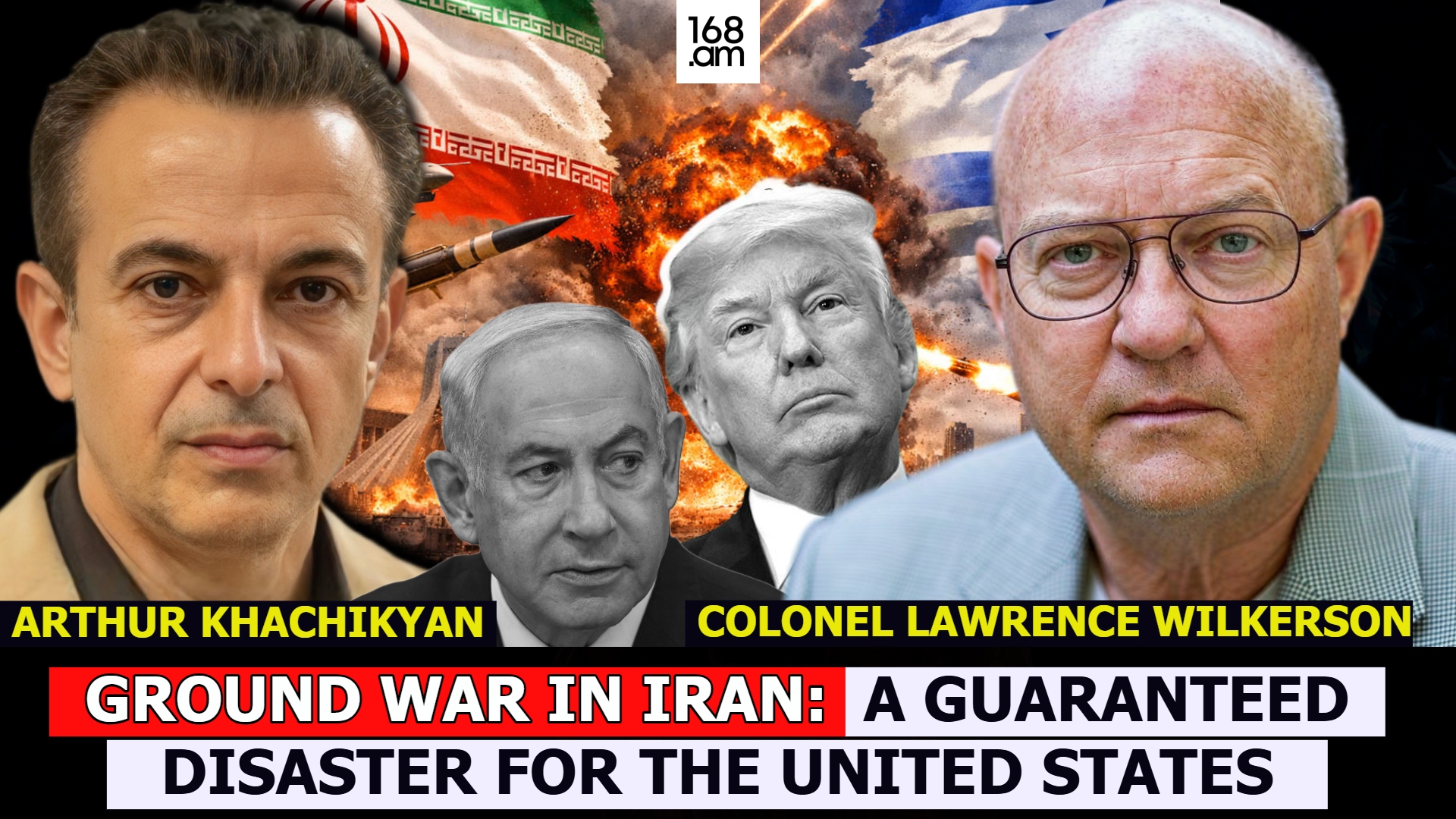
Dr. Artur Khachikyan, a PhD in Political Science from Stanford University, interviewed Lawrence Wilkerson, a retired US Army Colonel, military analyst, and former Chief of Staff to US Secretary of State Colin Powell.
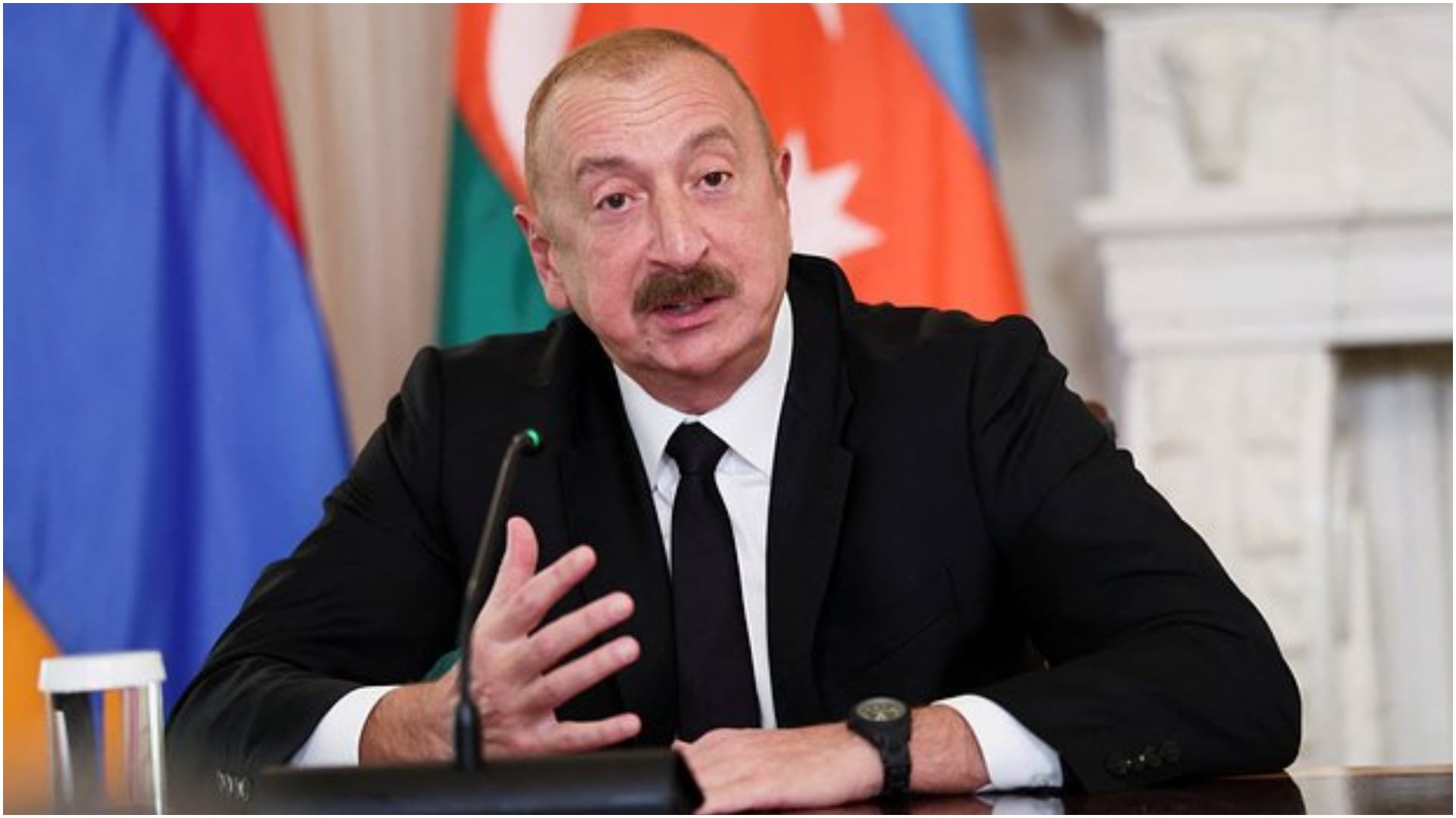
The Lemkin Institute for Genocide Prevention expresses grave concern over recent remarks by Azerbaijani President Ilham Aliyev in which he compared Armenian political detainees and prisoners of war to Nazi leaders convicted at the Nuremberg trials.
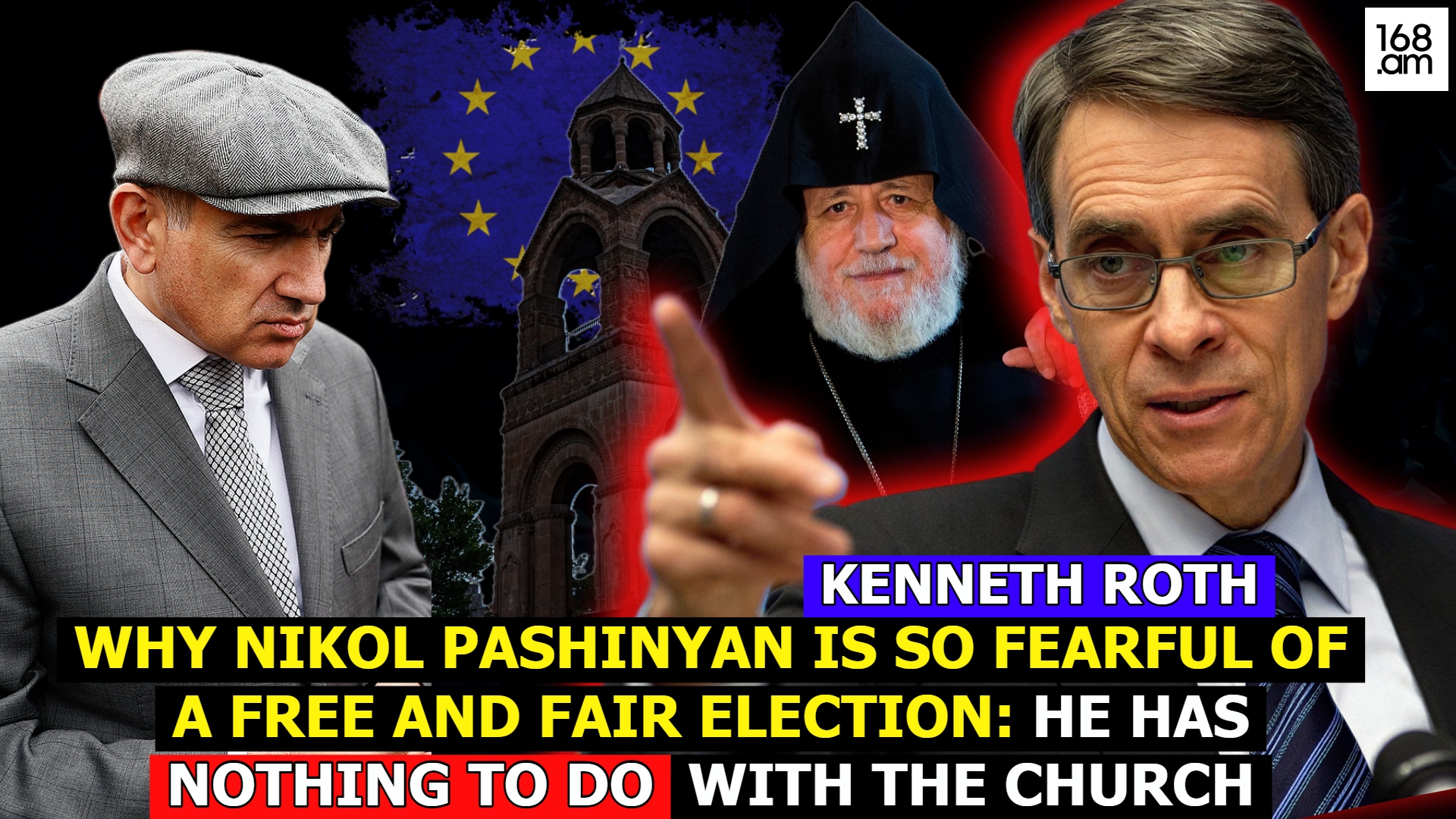
American human rights activist and former Executive Director of Human Rights Watch Kenneth Roth is simply shocked why Armenian Prime Minister Nikol Pashinyan is so afraid of free and fair elections.
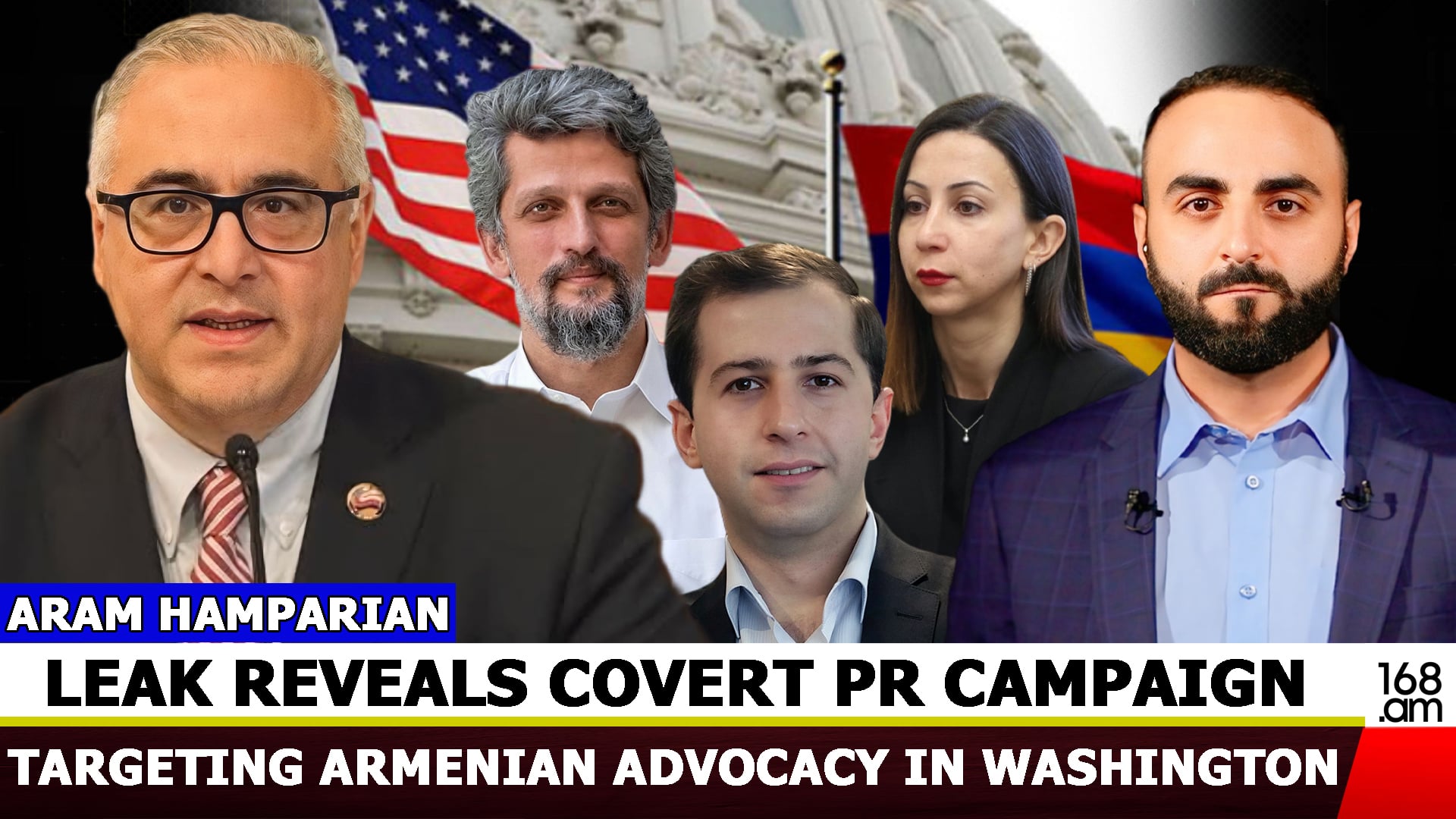
Aram Hamparian,, the executive director of the Armenian National Committee of America (ANCA) says a recently leaked communication from Apollo Strategic Communications offers a rare glimpse into what he describes as long-running efforts to undermine Armenian advocacy in Washington.
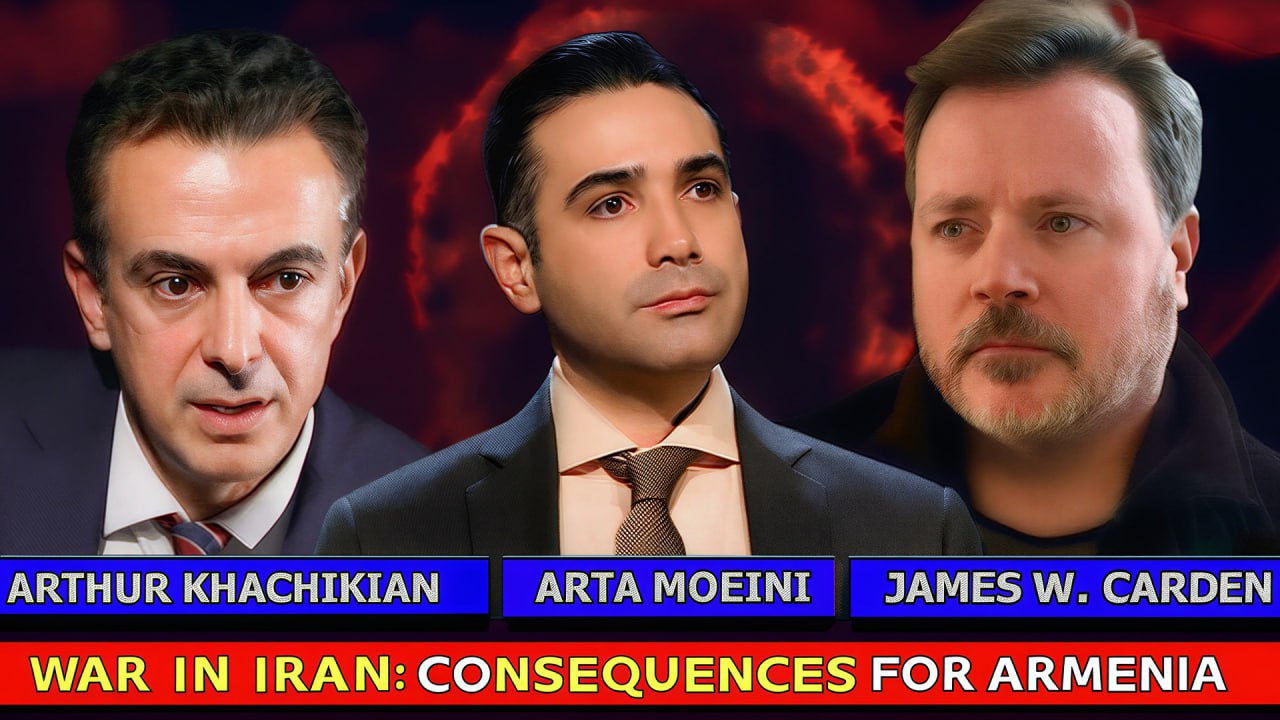
Dr. Arthur Khachikian, Stanford PhD in Political Science had an interview with Arta Moeini, Research Director, Institute of Peace and Diplomacy and James W. Carden, editor and columnist at The American Conservative, former U.S. State Department adviser, and a senior advisor to the American Committee on the US-Russia Accord (ACURA).
This is a travesty. It is ludicrous.