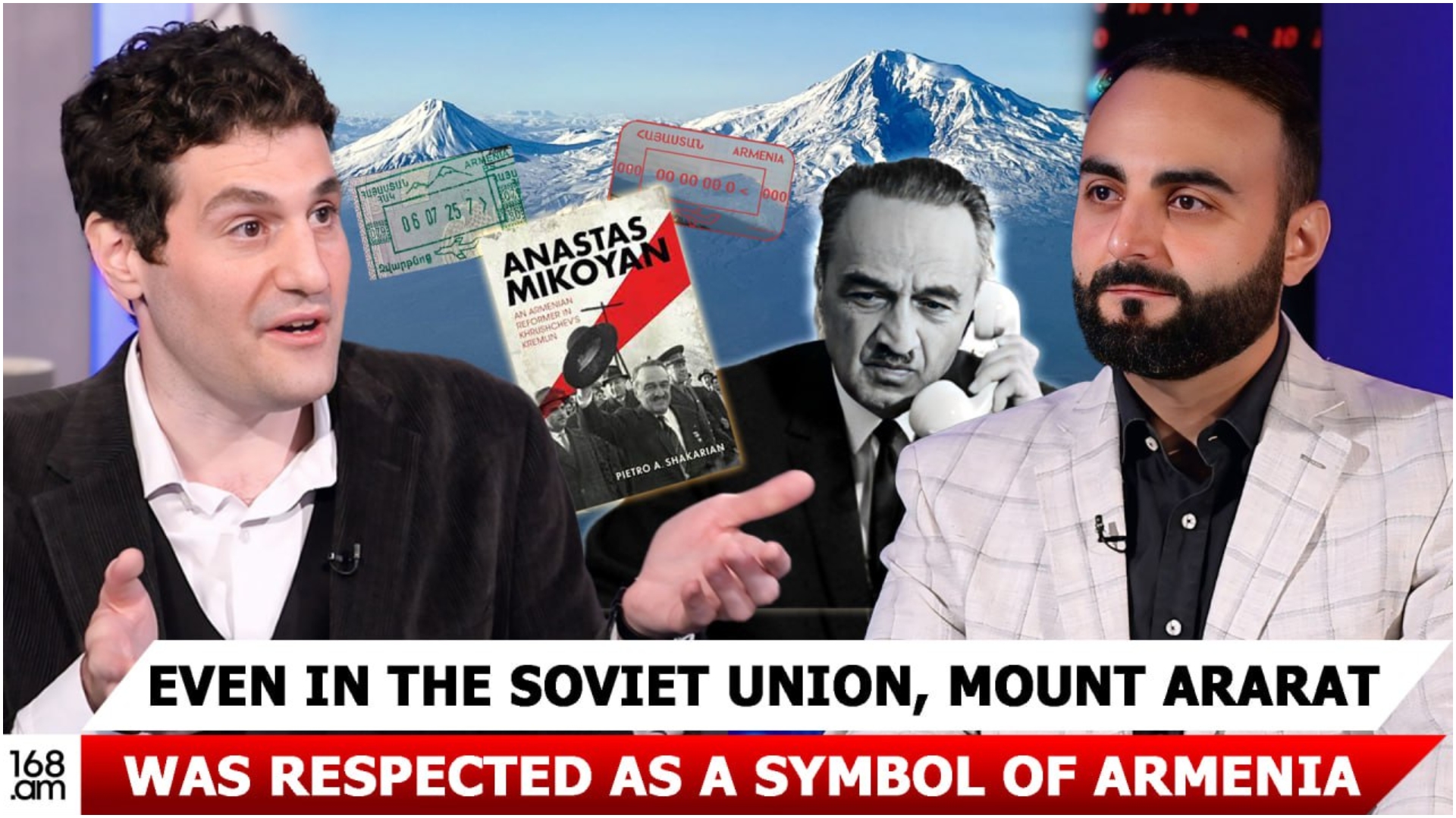
Dr. Pietro Shakarian, lecturer in history at the American University of Armenia, published a new book called “Anastas Mikoyan: An Armenian Reformer in Khrushchev’s Kremlin.” During an interview with 168 Hours, he talked about his book as well as some geopolitical issues.
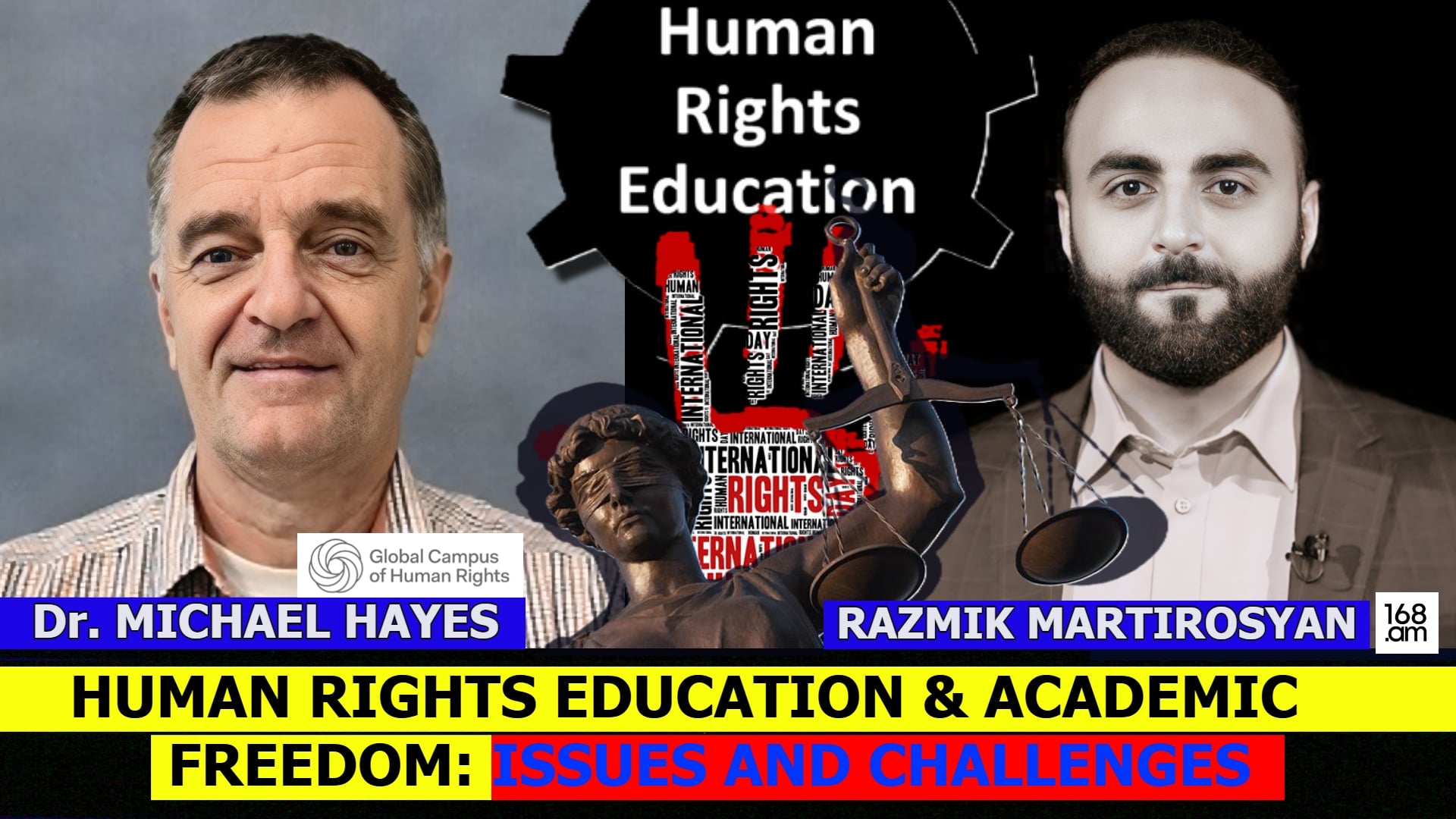
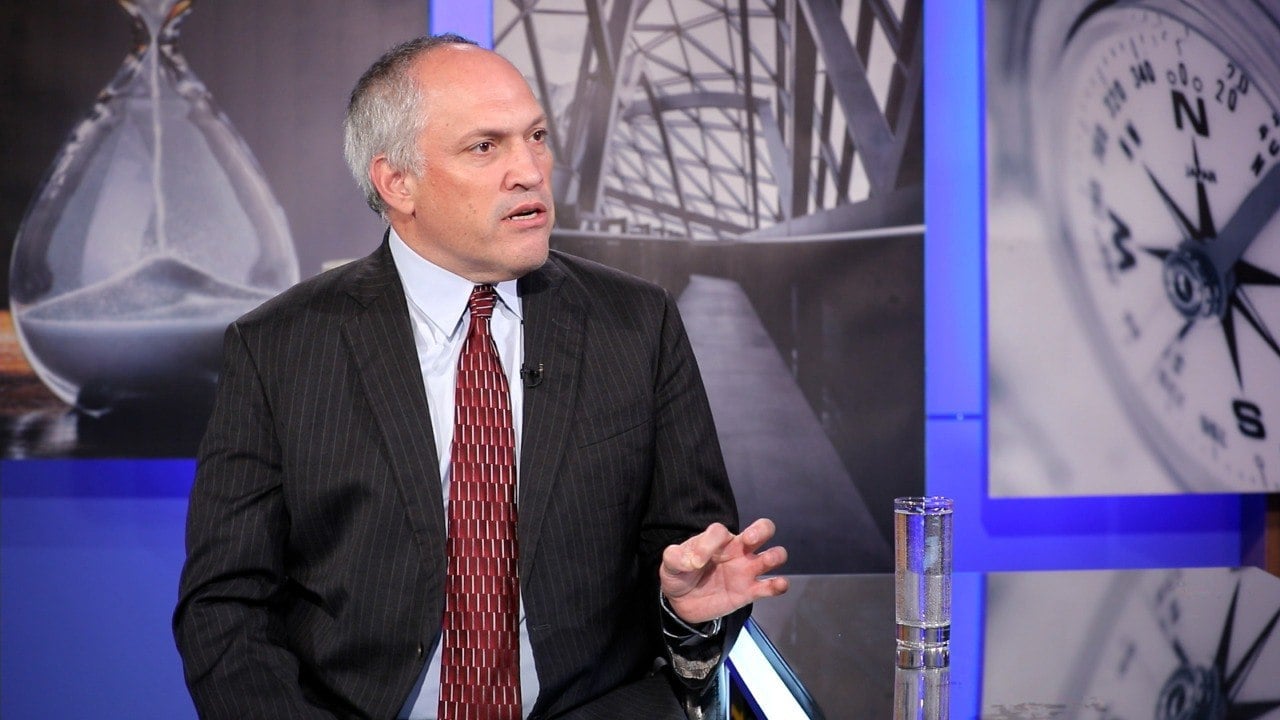
168 Hours continues its collaboration with the Global Campus of Human Rights. In this episode, we spoke with Dr. Michael Hayes, Academic Director of the APMA program and member of the Global Campus Council.
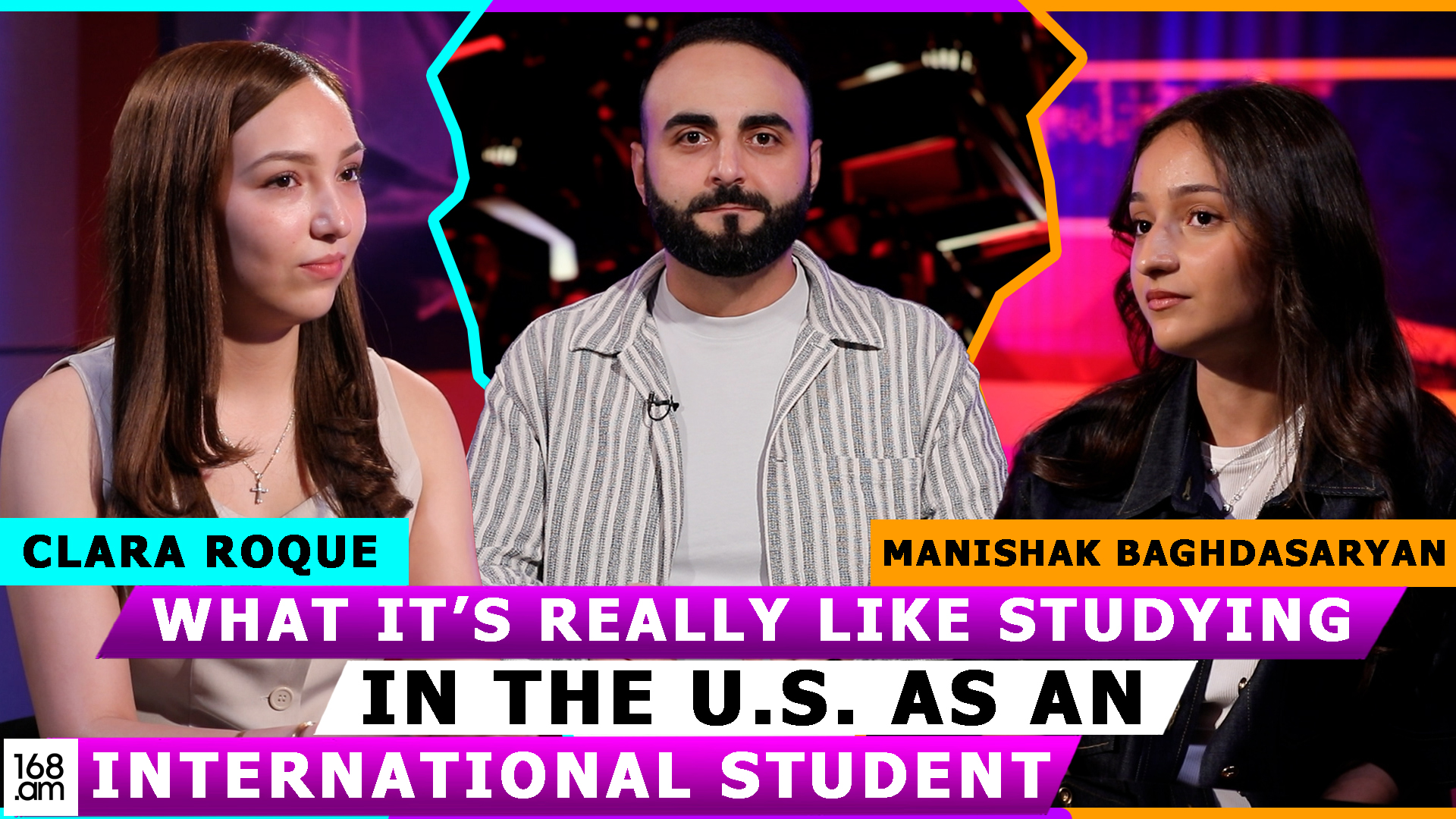
In an interview with 168 Hours, Manishak Baghdasaryan from Armenia and Clara Roque from Mexico talked about their academic journey at the University of California, San Diego, and shared their thoughts on education and student life abroad.
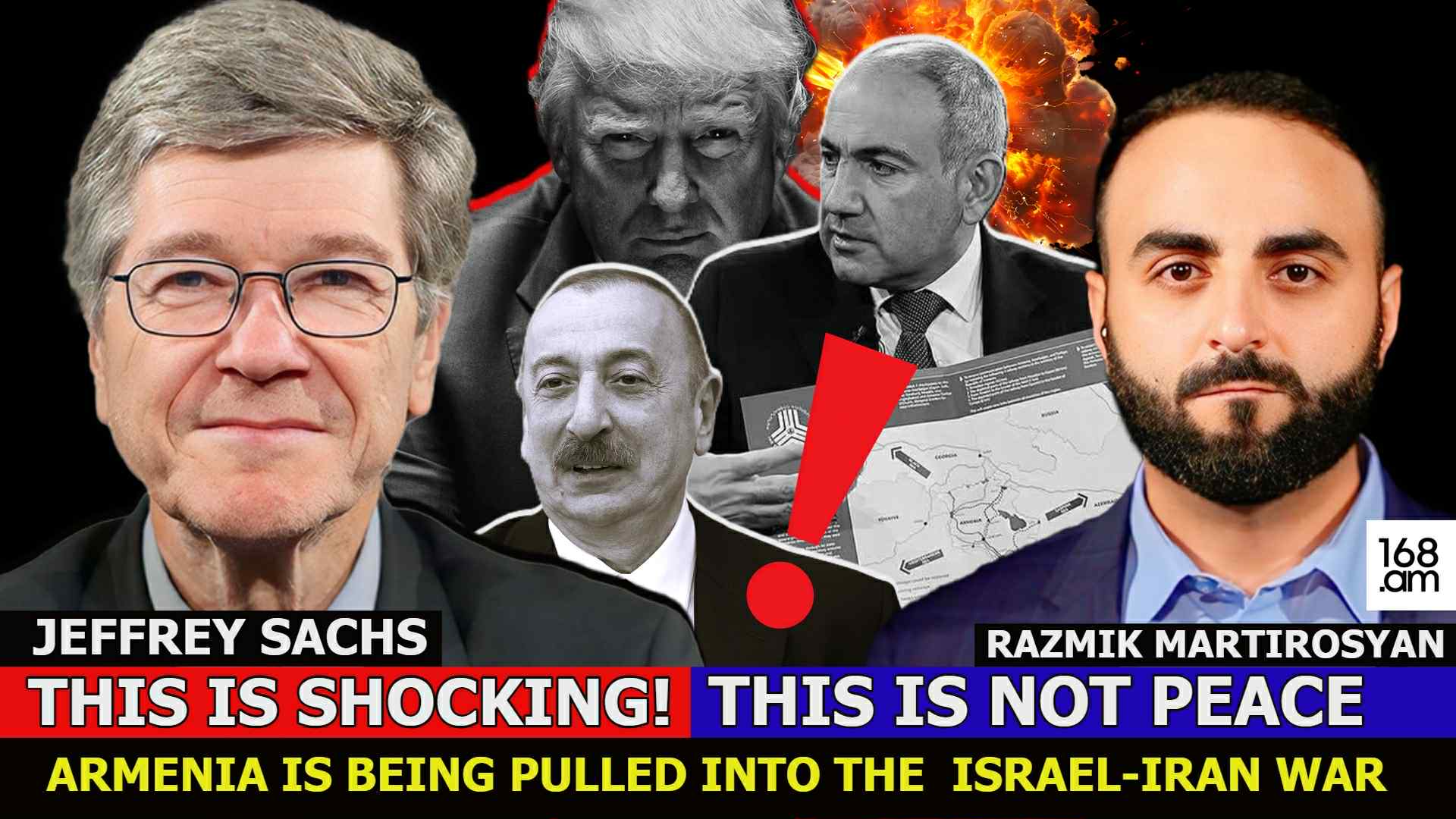
“Peaceful relations between Armenia and Azerbaijan are a good thing, the role of the USA here is problematic, because the US is not part of the South Caucasus region,” in the interview with 168 Hours said Professor Jeffrey Sachs, renowned economist, professor, and Director of the Center for Sustainable Development at Columbia University’s Earth Institute.
During the interview with 168 Hours, he mentioned that one type of American ambassador wants to represent Washington, even if it means making the host nation upset, another type of Ambassador will try to ingratiate himself, especially with the dictatorships in the world, thinking that if they have a smooth relationship with the president of the country in which they’re serving, that means that they are a good ambassador.
“In order also to reach out to peace, we have to make a distinction between freedom of expression deprivation in a national framework or in an international framework, a national framework, it depends, always by the government. So it’s a decision what kind of behaviors or statements are denied and what not. So what we can do in this case is to create dialog with institutions and also create dialog between international organizations and governments, or between governments.”
168.am, in collaboration with the Global Campus of Human Rights (GCHR), has launched a new interview series addressing pressing human rights issues.
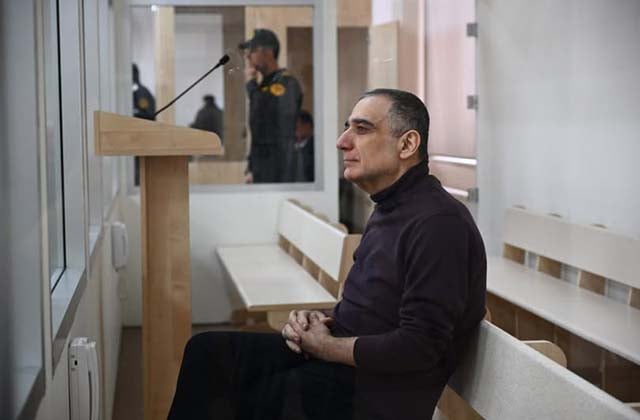
During a phone call relayed through his family, Ruben Vardanyan sent two audio messages from a Baku prison: he requested that one be published today and the other on Sunday. He also stated that his next statement will only be made at the final court session — and only if representatives of the international community are present.
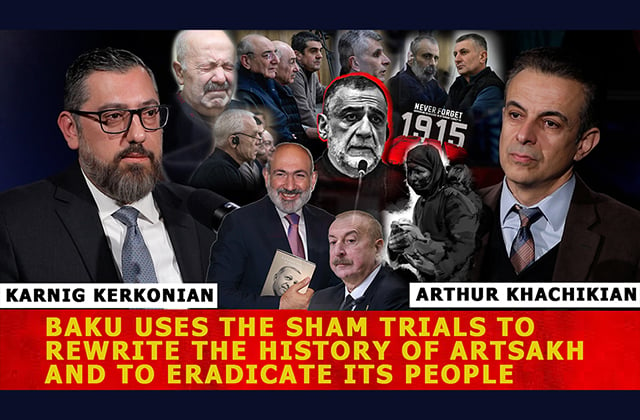
Dr. Arthur Khachikian, Stanford Doctor in Political Science talked with Karnig Kerkonian, an international lawyer and lead counsel in several precedent-setting Armenian rights matters in U.S. and international courts, a Partner of Kerkonian Dajani LLP. He educated at Harvard, Cambridge, and the University of Chicago.
Today is March 5th. I want to say a few words to you as Ruben Vardanyan, just as I am: as an Armenian, who speaks and thinks in Russian. As a man of the world, who is happily married, loves everyone, who has dedicated himself to self-education, and who lives with faith in God.