

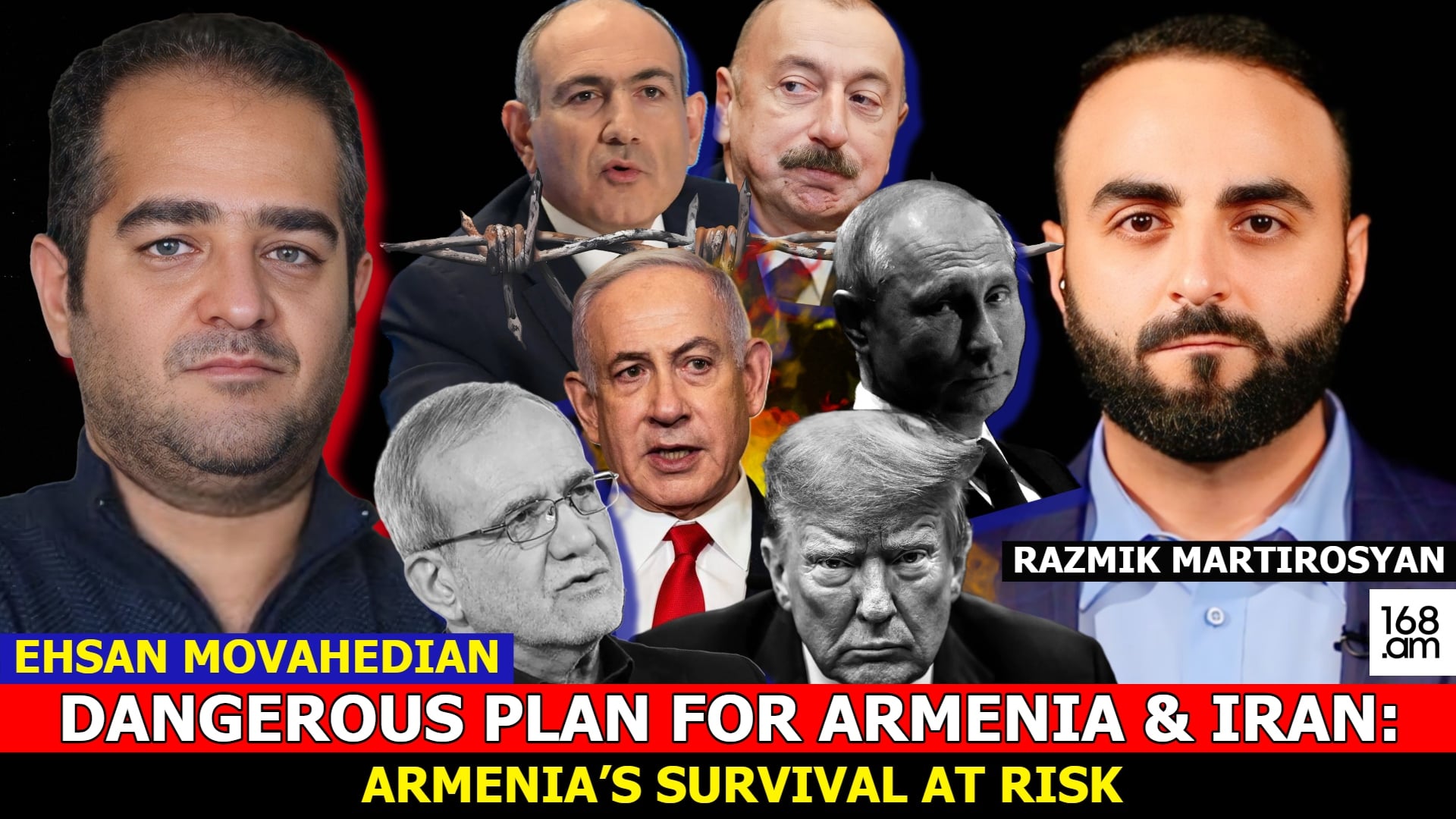
Dangerous Plan for Armenia & Iran: Armenia’s Survival at Risk | Ehsan Movahedian
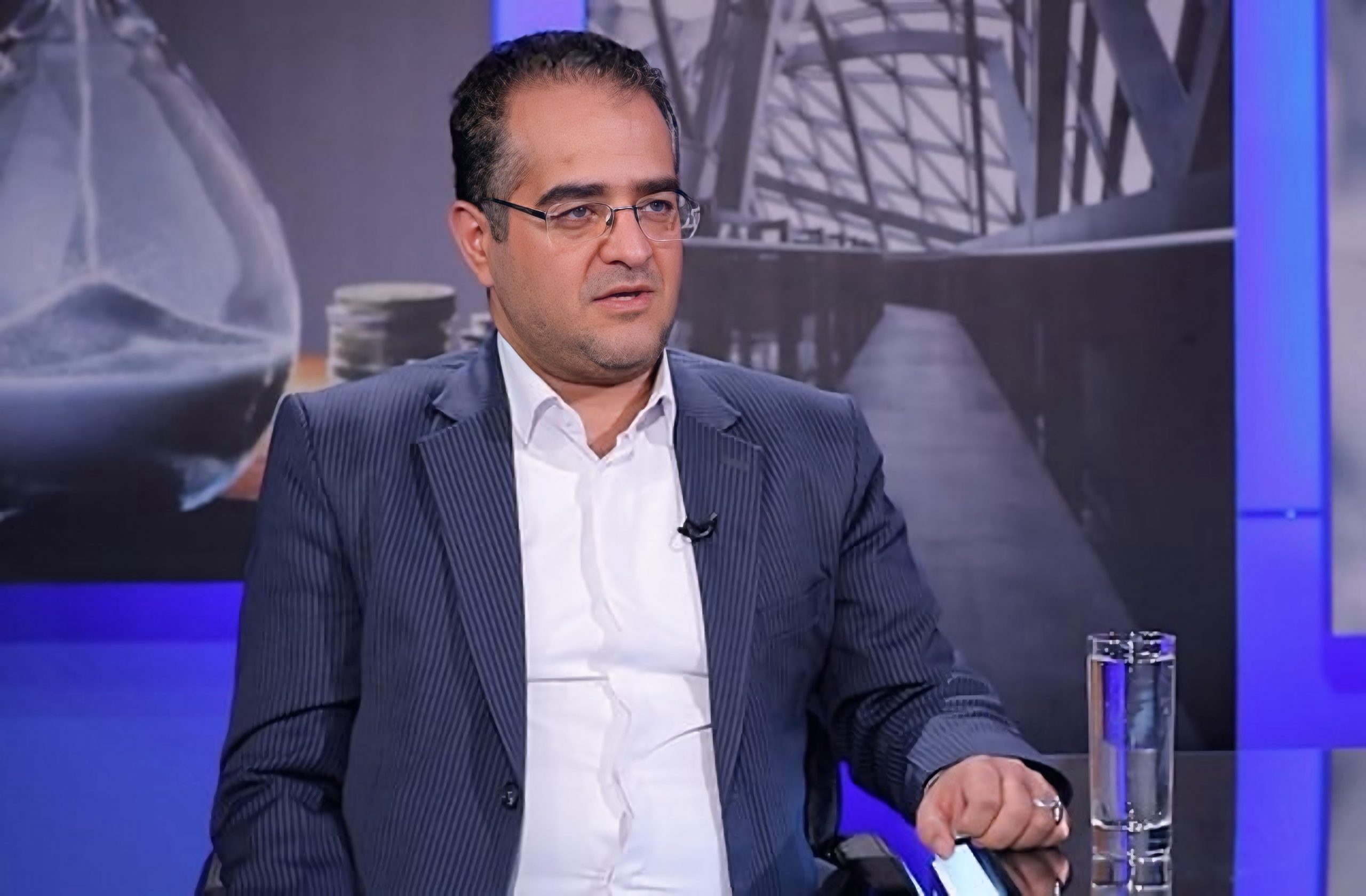
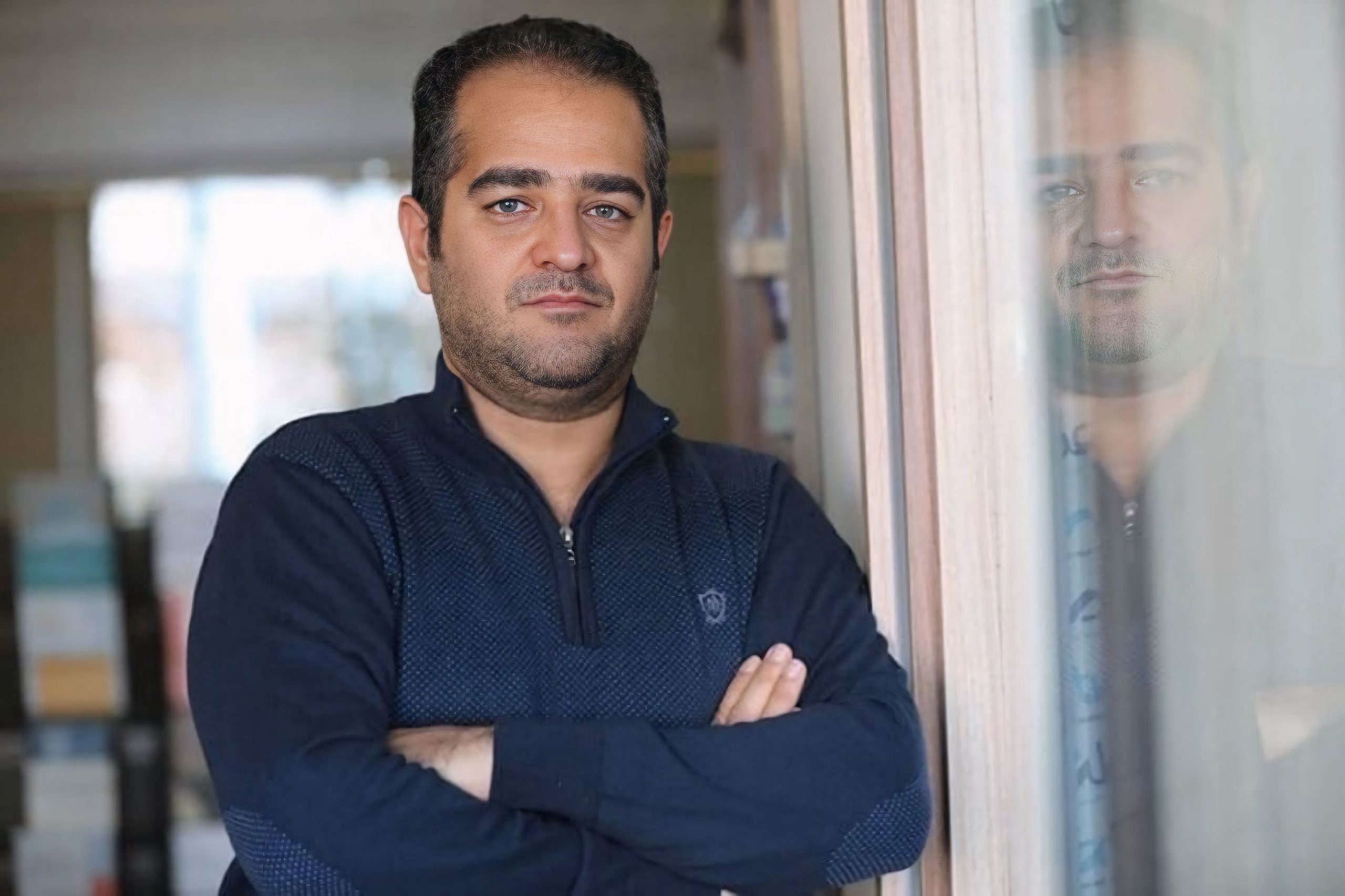
During 168TV’s program “Review,” we spoke with international relations expert, lecturer, and PhD, Ehsan Movahedian.
Razmik Martirosyan – How do you assess the growing regional competition over transport corridors in the South Caucasus, particularly in the context of TRIPP? Do you view it as part of the so-called Zangezur Corridor initiative, or is TRIPP different?
Ehsan Movahedian – The competition over regional corridors has an economic appearance. But it is part of a larger competition for geopolitical and military dominance over the region and the economic, political, and military encirclement of Iran, Russia, and China.
After Israel, Turkey, and Baku failed to create the Zangezur corridor due to Iranian opposition, they turned to the US and advanced the Trump route plan. Of course, the Trump route plan apparently respects the territorial integrity and independence of Armenia. But the reality is that this plan also poses serious risks to the interests of Iran and Armenia.
This plan will lead to the economic and political presence of the US on the Iranian border, which will result in jeopardizing Iran’s security, geopolitical encirclement of Iran, and the exclusion of Iran from important corridors for the transfer of goods and energy. Also, the Americans are trying to create a path for the presence of NATO, Jihadi, and separatist forces on the Iranian borders by being present in the Republic of Azerbaijan and the Syunik province of Armenia.
Therefore, the general plan is the same, but due to Iranian resistance, a different appearance has been given to it. Another problem is that with the US access to Armenia’s customs and ICT infrastructure, access to the Eurasian Economic Union data becomes possible.
Iran is also a member of this union and will certainly not be happy with the US’s access to its trade information. Connecting to Armenia’s customs and border systems will also provide the US with information on border crossings of Iranian citizens, which Iran is also unhappy about. This process is also dangerous for maintaining peace and stability in Armenia itself, and the US intends to turn Armenia, like Georgia and Ukraine, into a playground for confrontation with Russia.
Razmik Martirosyan – Iran has previously expressed strong reservations—even opposition—toward the so-called Zangezur Corridor. Does that stance remain unchanged today, or have there been any shifts in Tehran’s position?
Ehsan Movahedian – Iran’s position on opposing the creation of the Zangezur Corridor is consistent and unchanging and has been reiterated many times by the authorities of the Islamic Republic of Iran. The creation of a corridor that would lead to Armenia losing its sovereignty over its territory is unacceptable to Iran. The aim of this is to encircle Iran and Armenia and threaten the national interests of both countries, and Armenia will have no chance of survival if it loses its borders with Iran.
Razmik Martirosyan – Does Tehran view the proposed corridor as a potential threat to its territorial integrity or regional influence?
Ehsan Movahedian – Yes, Iran considers the creation of the Zangzur Corridor a potential threat to its territorial integrity or regional influence. Because this completes the geopolitical encirclement of Iran.
We should note that the creation of the Zangzur Corridor is one of the existing plans for the geopolitical encirclement of Iran. Corridors are being created to connect China, India, Central Asian countries, etc., to North Africa and Europe, bypassing Iran, and Israel also plans to become a neighbour of Iran by penetrating southern Syria and then Iraqi Kurdistan.
Israel plans to link this route to the Zangzur Corridor and establish a presence near the Iranian border. Therefore, the completion of the Zangzur Corridor encourages Israel to attack Iran again. Israel’s extensive military presence in the Republic of Azerbaijan and intelligence cooperation between the two sides will be easier if the Zangzur Corridor is created.
Razmik Martirosyan –To what extent do current tensions between Iran and the West affect Tehran’s capacity to engage in regional infrastructure and connectivity projects? In a recent interview with 168 Hours, Professor Jeffrey Sachs said that the Washington declaration signed by Trump, Pashinyan, and Aliyev effectively places Armenia in Israel’s conflict with Iran. Do you agree with that assessment?
Ehsan Movahedian – The West is trying to prevent Iran from participating in infrastructure projects in the South Caucasus by exerting economic pressure, increasing inflation, and causing stagnation in Iran. However, Iranian companies have sufficient capacity, knowledge, and human resources for this work. The main issue is financing these projects with the help of third parties. If this problem is solved, Iran will have no problem implementing various projects in the fields of construction, energy, transportation, etc. As you see, we are working in Armenia, we are building the North-South corridor, near Qajaran, Agarak. And, you know, Iranians are advancing in this field, and they have no problem because the financing is through European parts. So this is not a big deal for us if we can finance our project.
Razmik Martirosyan – How does Iran perceive Russia’s changing role in the South Caucasus, especially amid the growing involvement of Turkey and Western actors?
Ehsan Movahedian – Russia’s influence and role in the South Caucasus have been greatly reduced, and the reason for this is Russia’s involvement in the war with Ukraine and Russia’s repeated mistakes, which thought that it could contain the aggressive process of these countries in the Caucasus through interaction and cooperation with Turkey, Baku, Israel, U.K, and the United States.
Russia realized late that the West’s plan to encircle Russia in the Caucasus and Central Asia was serious, and that Turkey and Baku were playing in the puzzle designed by the United States and U.K.
The lack of sufficient cooperation with Iran and the excessive arrogance of the Russians caused them to react late to the events in the region. The Russians allowed Aliyev to seize Artsakh so that Baku would allow Russia to secretly export the sanctioned oil and gas.
But Baku took advantage of this situation and made Russia dependent on itself, and then imposed its demands on this country. Then the intervention of the mafia affiliated with Aliyev in Russian security and economic affairs became so great that Putin was forced to deal with them. Russia must intervene seriously in the Caucasus as soon as possible. Because u.s is trying to turn all three countries in this region into anti-Russian playgrounds through serious economic, political, and security investments.
Razmik Martirosyan – How do you assess Armenian-Iranian relations, especially after the Washington events?
Ehsan Movahedian – Relations between Iran and Armenia are in good shape. The two countries have extensive cooperation, and Iran does not believe that the Armenian government has any desire for the US to play a destructive role in this regard.
However, the main question is whether the Armenian government has the ability to contain and control the US’s behavior during its presence in Syunik. Experience has shown that the US is not faithful to its promises and does not miss any opportunity to hit Iran.
This is the main concern that the Armenian government should pay attention to. Armenia has firmly promised that it will not allow cooperation with the US to harm the good relations between the two countries, and we hope that this will happen in practice. The presence of u.s companies in Syunik for construction should not lead to their security and military presence or any attempt to spy on Iran, and Iran’s position on this matter is firm and clear.
Razmik Martirosyan – The Armenian government claims to have brought peace, yet Azerbaijan’s statements suggest otherwise. How would you describe the current situation between Armenia and Azerbaijan? Do you believe it truly reflects a move toward peace, especially considering that Azerbaijan continues to pressure Armenia to change its Constitution and still holds Armenian prisoners and Artsakh officials in Baku prisons?
Ehsan Movahedian -As you said, when Azerbaijan continues to pressure Armenia to change its constitution and still holds Armenian prisoners and Artsakh officials in Baku prisons, one cannot hope for a lasting peace treaty between the two sides.
The problem is that Trump has also signed this treaty as a witness, not as a party to the peace treaty. This text is a draft and has not yet been definitively approved. Aliev’s claims about Syunik belonging to the Republic of Azerbaijan and the need to return Baku citizens to the so-called West Azerbaijan are also repeated regularly.
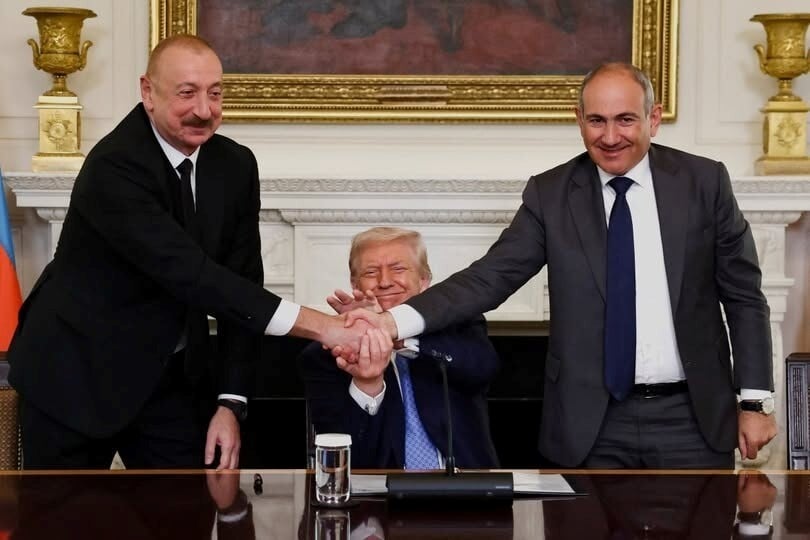
Pashinyan hopes that appealing to Trump will prevent Aliev from again invading Armenia and reduce the military budget. But the reality is that this perception is not true. Aliev, due to his benefit from oil and gas reserves and strong military and security ties with Israel and Trump’s Jewish allies and friends, has no commitment to peace and, if he gets the chance, will definitely attack and occupy southern Armenia again. Armenia’s commitment to peace is valuable, but this country must also maintain its intelligence and military vigilance.
Razmik Martirosyan – How would you describe Donald Trump’s role in the current situation, and what do you think he aims to achieve in the South Caucasus?
Ehsan Movahedian -Trump does not care about maintaining peace and security in the South Caucasus. His goal is to gain more influence in this region to jeopardize the security and interests of Iran, Russia, and China. By controlling China’s corridor routes to Europe by sea and land, Beijing faces difficult conditions, and Russia, by increasing its influence in Armenia, Azerbaijan, and Georgia, intends to create new conflict points for Russia so that it can defeat it in Ukraine.
By encircling Iran through the Caucasus, it will be easier for Israel and the United States to attack us again. Turning Armenia into a playground for the United States and Israel is very dangerous for maintaining the stability, security, and territorial integrity of Armenia.
Razmik Martirosyan – How can Iran position itself diplomatically to ensure that its interests are not sidelined in regional connectivity plans?
Ehsan Movahedian – Iran should increase its cultural, economic, political and security presence and cooperation with Armenia. Implementing economic projects in Syunik, such as establishing a refinery and petrochemical complex, creating a joint free zone, creating a network of gas stations, establishing some universities, technical and vocational schools and cultural centers, increasing the presence of Iranian students and tourists in Armenia, establishing an exhibition and permanent trade center for selling Iranian goods in different cities of Armenia, signing a strategic cooperation agreement between Iran and Armenia, joint cooperation between Iran, Russia and India, and expanding media interactions are very important.
RAZMIK MARTIROSYAN