

ICJ: Trials of Armenians in Baku Do Not Meet Fair Trial Standards
The International Commission of Jurists (ICJ) has published a report on the problems within Azerbaijan’s justice system titled “Justice Under Pressure: Independence of Lawyers and the Right to a Fair Trial in Azerbaijan.”
Discussing the numerous issues and violations present in Azerbaijan’s judicial system, the report provides a detailed analysis of the trials conducted against Armenians in Baku in light of international standards. “The proceedings against the former Nagorno-Karabakh officials illustrate these concerns in their most acute form,” the report states.
It explicitly records that these trials do not comply with international human rights law standards.
“According to publicly available reports, these trials are marked by practices that violate basic guarantees of justice….[They] were conducted before a military court without justification for the exercise of military jurisdiction over civilians.
The defendants were denied effective access to counsel of their choosing. State-appointed lawyers failed to act on evidence of ill-treatment they had directly witnessed, case materials were withheld or provided in a language the accused did not understand, defence motions were systematically dismissed without reasoning and omitted from the trial record; interpretation was inadequate or absent, and public access, including access by accredited diplomatic representatives, was denied.
These systematic deficiencies show how executive influence, prosecutorial control, and restrictions on the independence of lawyers can combine to produce proceedings that fall short of the guarantees of fairness, equality of arms, and public scrutiny required under international human rights law and standards. As analysed in this report, these proceedings reflect wider systemic problems rather than isolated departures from established practice,” the report emphasizes.
It is additionally noted that the trials were mostly held behind closed doors, with only state media granted entry; international observers, foreign media, and family members of the defendants were barred from attending the court hearings.
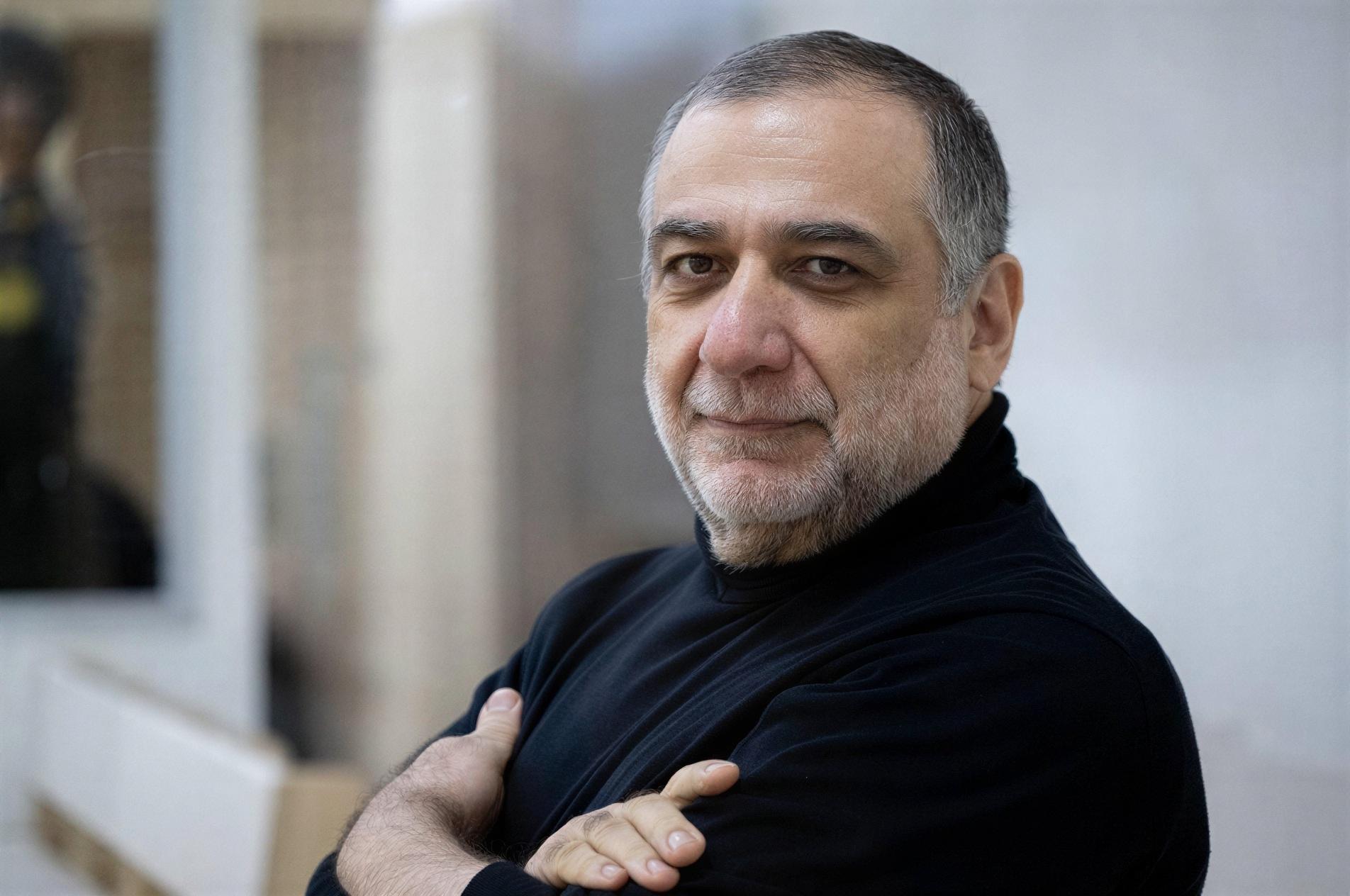
“In the absence of transparency, most of the available information pertains to the separate trial of Vardanyan. Vardanyan assumed public functions in Nagorno-Karabakh in late 2022, yet the prosecution brought charges dating back to 1988 in connection with the first Nagorno-Karabakh conflict, despite evidence that at the time he was a student at Moscow State University.247 The prosecution of Vardanyan for conduct alleged to have occurred in 1988, more than three decades before his assumption of public office, raises fundamental concerns under the principle of legality. Vardanyan held no political position at the time the charges relate to and could not have foreseen that conduct from that era would form the basis of criminal charges upon his later entry into political office.”
The report presents a number of recommendations to the executive authorities, the prosecution, the judicial authorities, and the parliament of Azerbaijan. The judicial authorities are urged to: “Ensure that any appeal in the cases of the former Nagorno-Karabakh officials is heard by an ordinary civilian court. Ensure the provision of case materials to the defence in a language the accused understands and ensure adequate time and facilities for the preparation of the defence in all proceedings, including on appeal.”
The report also calls on the Council of Europe to seek access in order to monitor any potential appeal hearings.