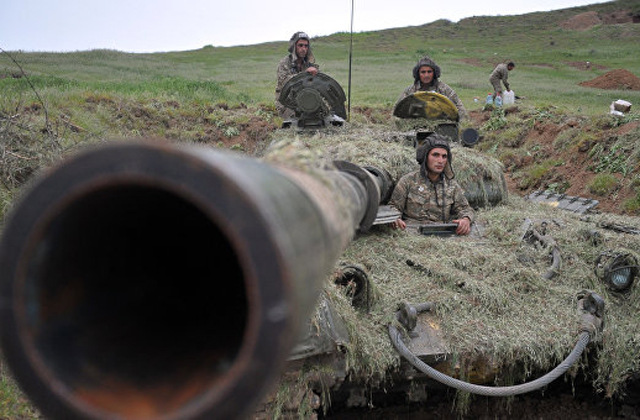
Azerbaijan’s offensive was clearly the result of planning and training but it was not a blitzkrieg aimed at liberating territories under Armenian occupation – once the mission was completed, Azerbaijan announced a unilateral truce. Baku gambled on psychological factors such as a demonstration of the technological advancement of its armed forces.
NKR Defense Ministry shares the huge grieve of the loss and expresses solidarity with the family members, relatives and co-servicemen of the killed soldiers. NKR Defense Ministry announces that the activities of the adversary will not remain un-responded, while the Azerbaijani side will bear the responsibility for their consequences.
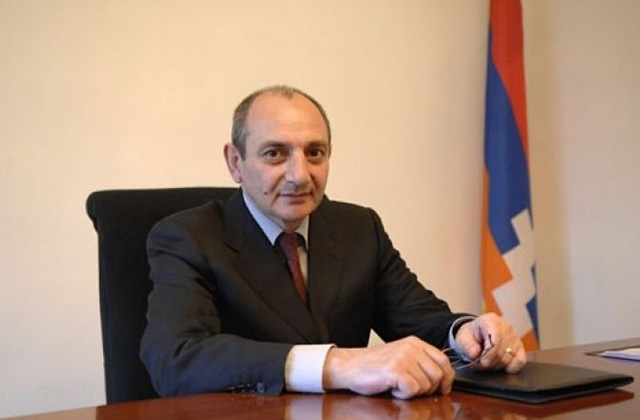
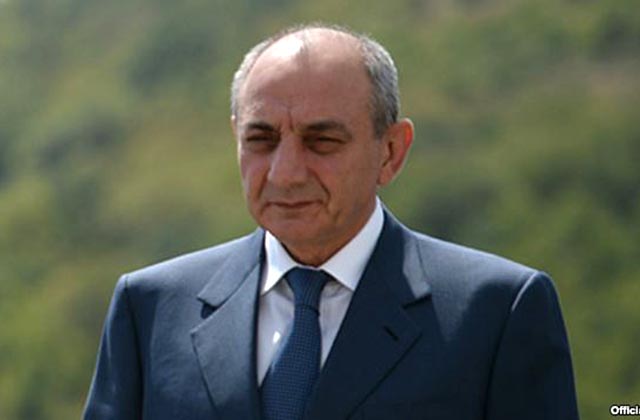
“We accepted that statement and immediately got ready to such developments. Casting doubt to their purposes will mean we continue being in confusion. Our child killed near the school, bodies of our beheaded young people, 90 year-old parents killed in their own homes and other atrocities edify, this time again they came to behead us, to torture graves of our ancestors, to rape our wives and sisters. Accordingly, I consider, we are obliged to give proper qualifications to their actions, and implement all other forthcoming actions out of that harsh truth,” Bako Sahakyan said.
“There is no possible development that the issue will be solved without our participation. We have concrete position on the settlement, and we have announced that continuing negotiations in the upset format is more preferable for us than war. However this doesn’t mean we are renouncing our position on the conflict settlement. “
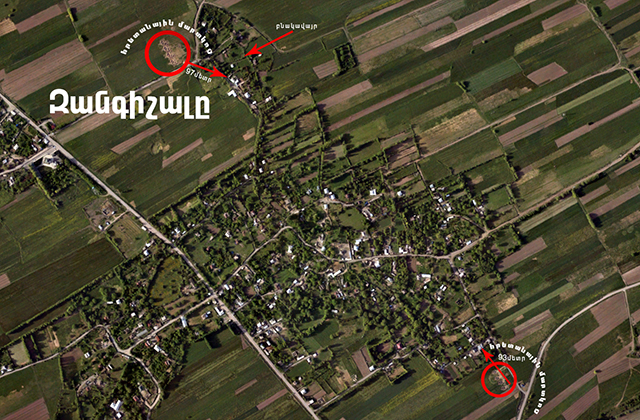
The Azerbaijani forces have deployed military units in populated regions and adjacent areas by violating the Article 52 of the 1949 Geneva Convention.
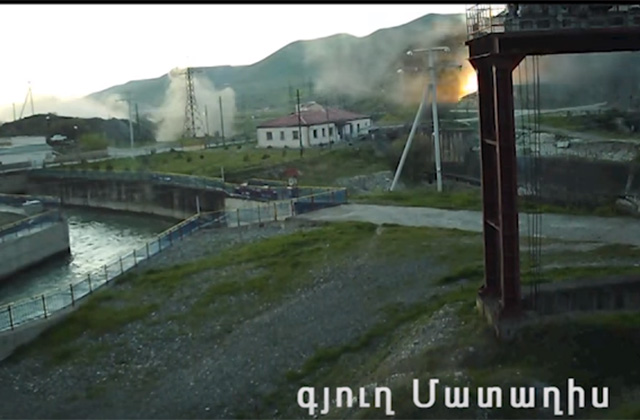
“We have mentioned earlier today about the Mataghis bombardment by the Azerbaijani armed forces. The Karabakhi side, adhering to its adopted strategy of facts, presents the video of Mataghis bombardment by the adversary over night April 27-28.”
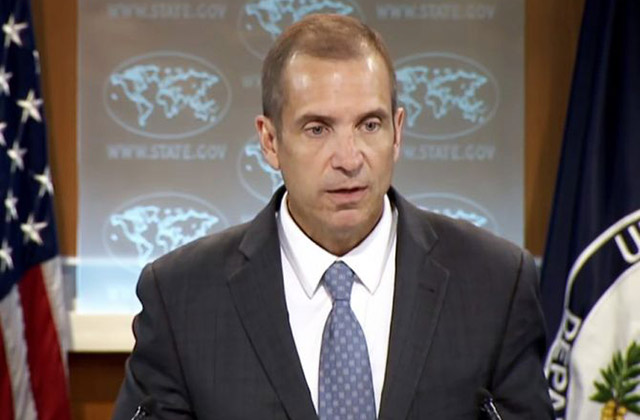
“We’ve seen the fragile ceasefire put in place. We were encouraged initially that it appeared to be holding, but obviously tensions remain on the ground. The Secretary has reached out to leaders of both countries, Azerbaijan and Armenia.”
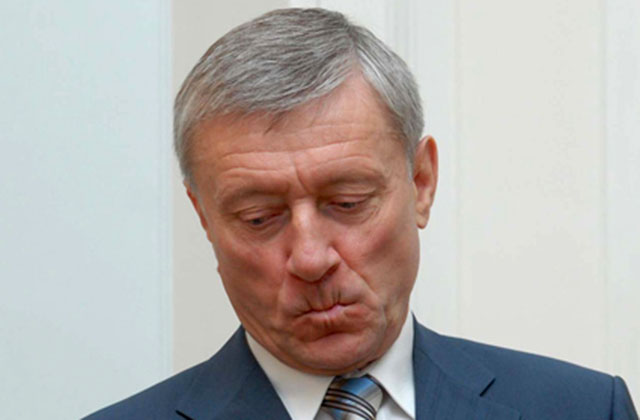
“Here only the possibility of escalation of the so-called frozen conflict is available. And rather sharp throughout the recent period. And, unfortunately, aggravation of armed conflict in Nagorno-Karabakh won’t reduce as well,” Bordyuzha stated.
“Shame on you, Rodríguez Sapatero. You should come to Karabakh and see what Azerbaijan is doing. Maybe you also learned beheading people.” Another tweet by David Babayan reads, “Political figures, who fill their stomach with caviar, and pockets with oil incomes and praise tyrants, are the most dangerous terrorists.”
Movement of adversary’s military equipment was noted in the northern direction of the contact line. Defense Army frontline units attentively watch the developments on the frontline and quell the adversary by punitive measures.