I am writing to you from detention, in connection with circumstances that, in my view, call for the active and sustained engagement of the institution you lead.
The concept of Armenia’s external security set out in the ruling party’s electoral program for the upcoming elections is built around a distinct logic and possesses a certain internal normative coherence. It rests on a combination of international legitimacy, economic interconnectedness, predictability, a peace agenda, and defense reforms. Yet it is precisely the predominantly doctrinal nature of this construction that constitutes its main vulnerability.
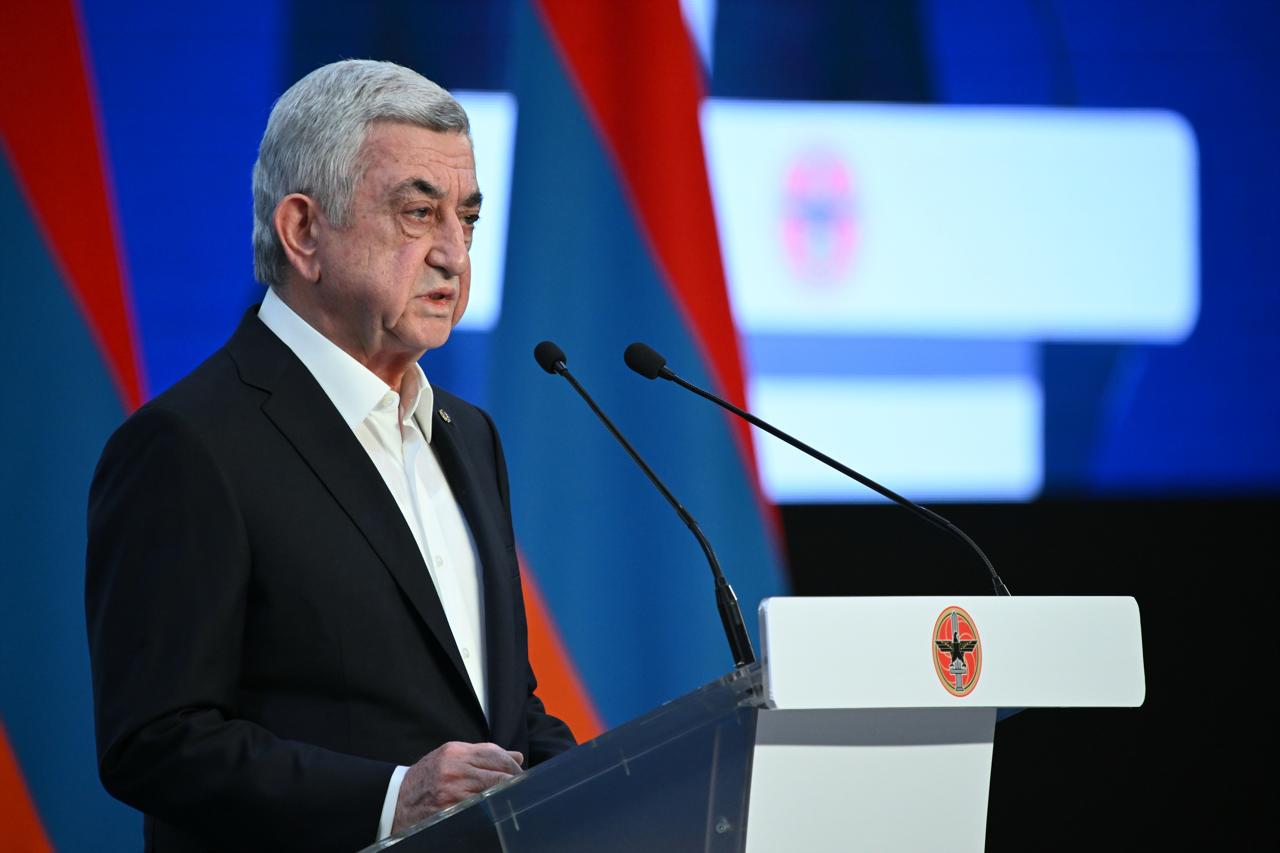
Exactly 10 years ago, these very days, there was a war that lasted only 4 days and has remained in all our memories as the Four-Day War. It ended on April 5 at 12:00, after the enemy had been forced the previous day to ask for a ceasefire. On April 4, in the presence of the Ambassadors of the OSCE participating states invited to the office of the President of the Republic of Armenia, I had already stated that if the military operations continued and assumed a large-scale character, the Republic of Armenia would recognize the independence of Nagorno-Karabakh.
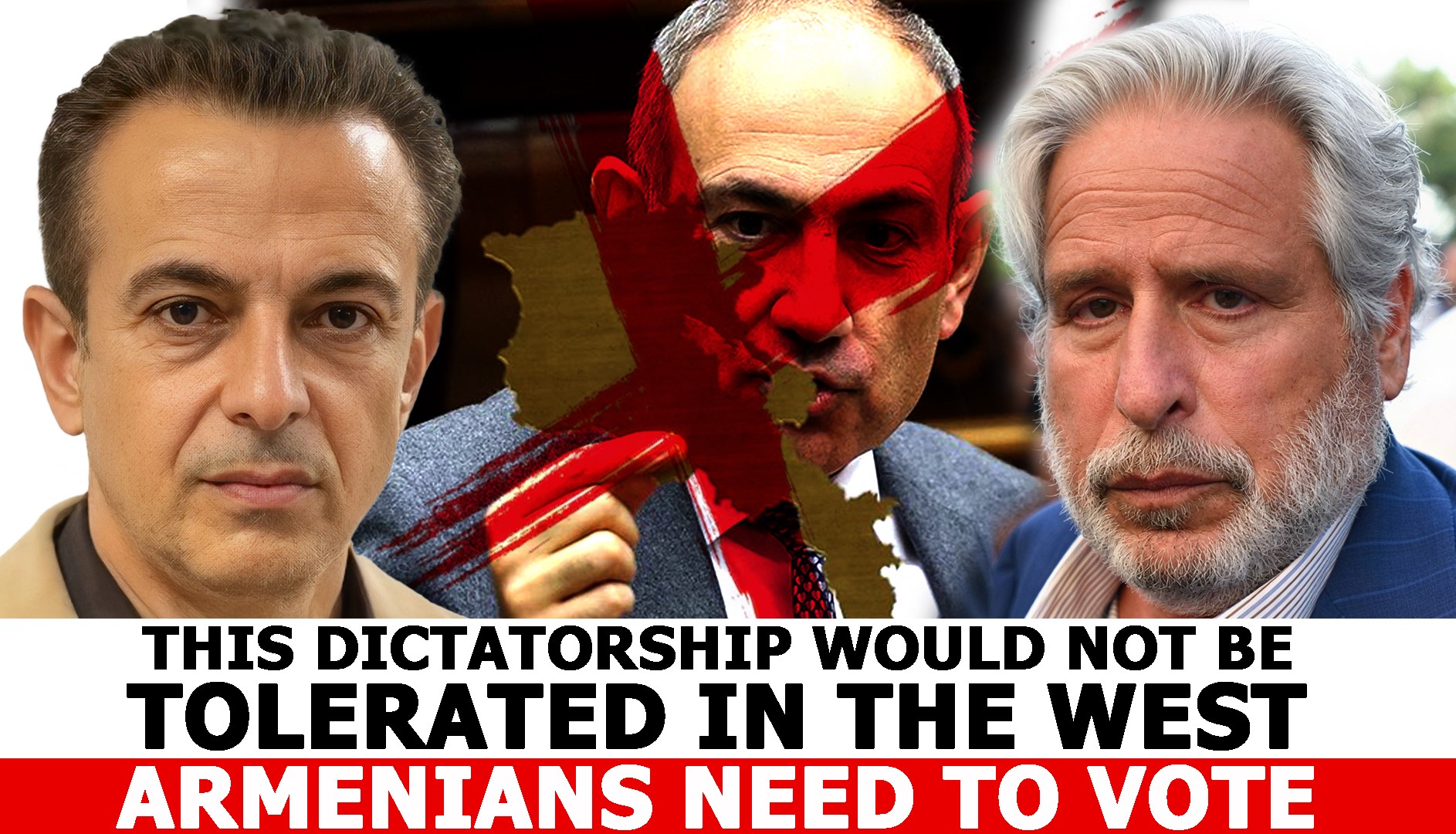
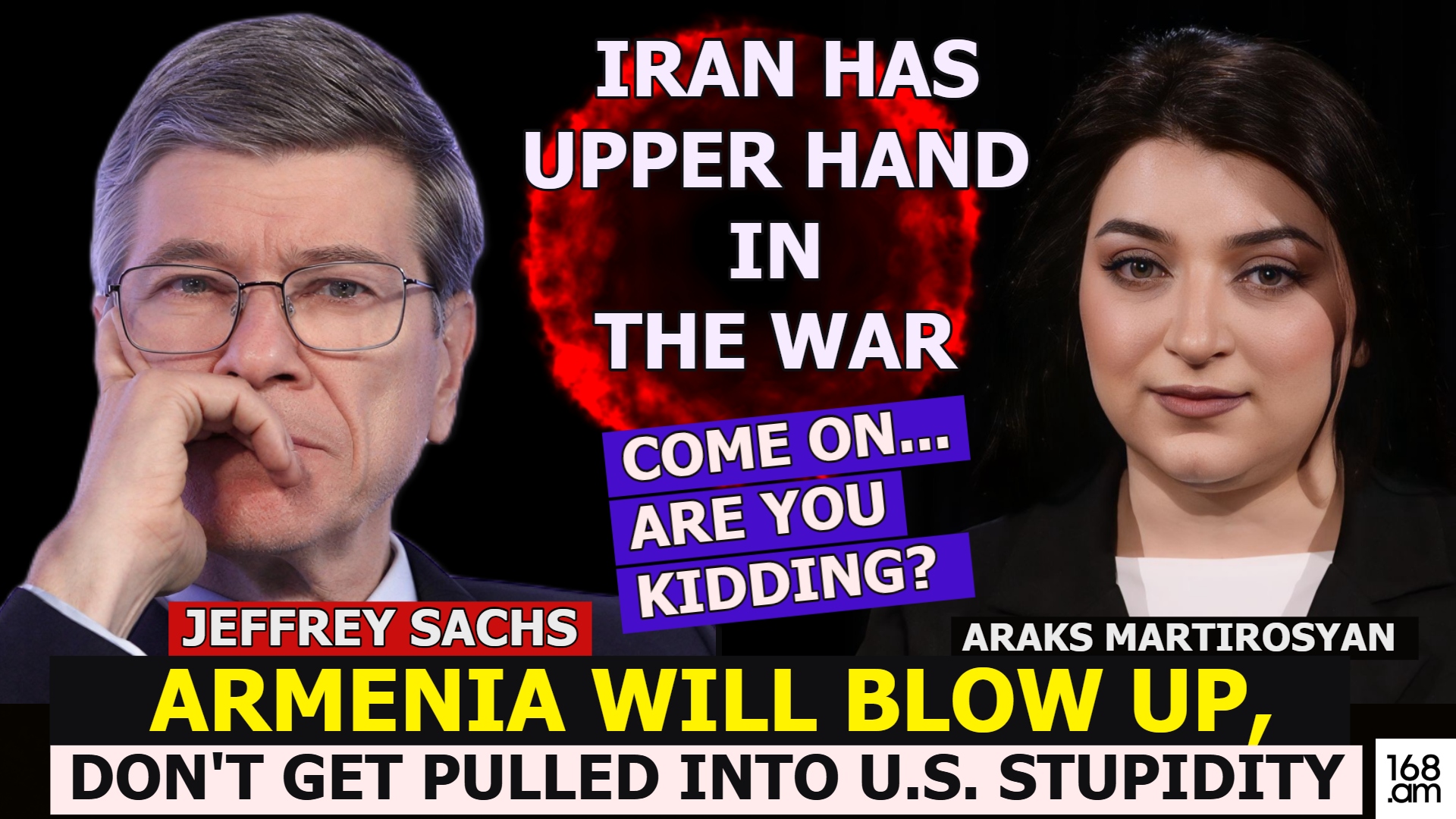
168TV’s “Diplomat” program discussed a number of geopolitical, South Caucasus and Armenian developments with Professor Jeffrey Sachs, world known economist, bestselling author, global leader in sustainable development, Director of the Earth Institute at Columbia University.
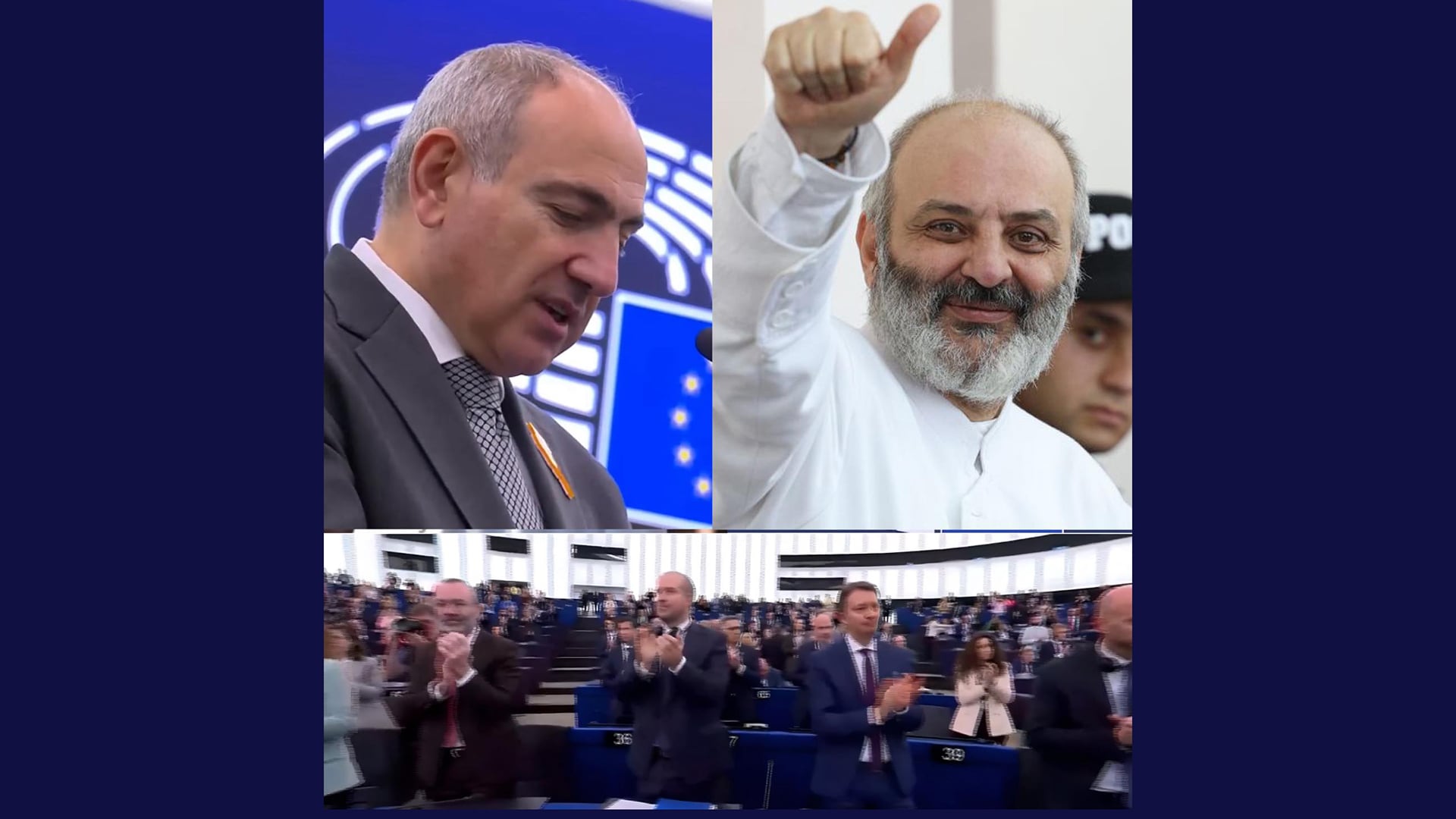
On March 11, 2026, at the European Parliament, the man serving as Prime Minister of Armenia stood before you and spoke. This is the same man who has, in my view, broken the constitutional order, turned against his own people, and led our country into loss, displacement, the suffering of our brothers in Baku prisons and deep national trauma.
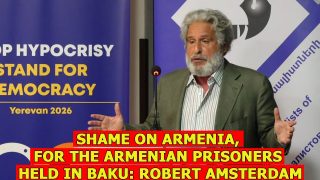
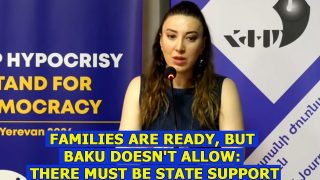
The families of Armenian prisoners in Azerbaijan have been unable to see their loved ones for more than two years. They are deeply concerned about the detainees’ state of health. The last to have had independent access to them were representatives of the International Committee of the Red Cross — the only organization that visited them at their places of detention.
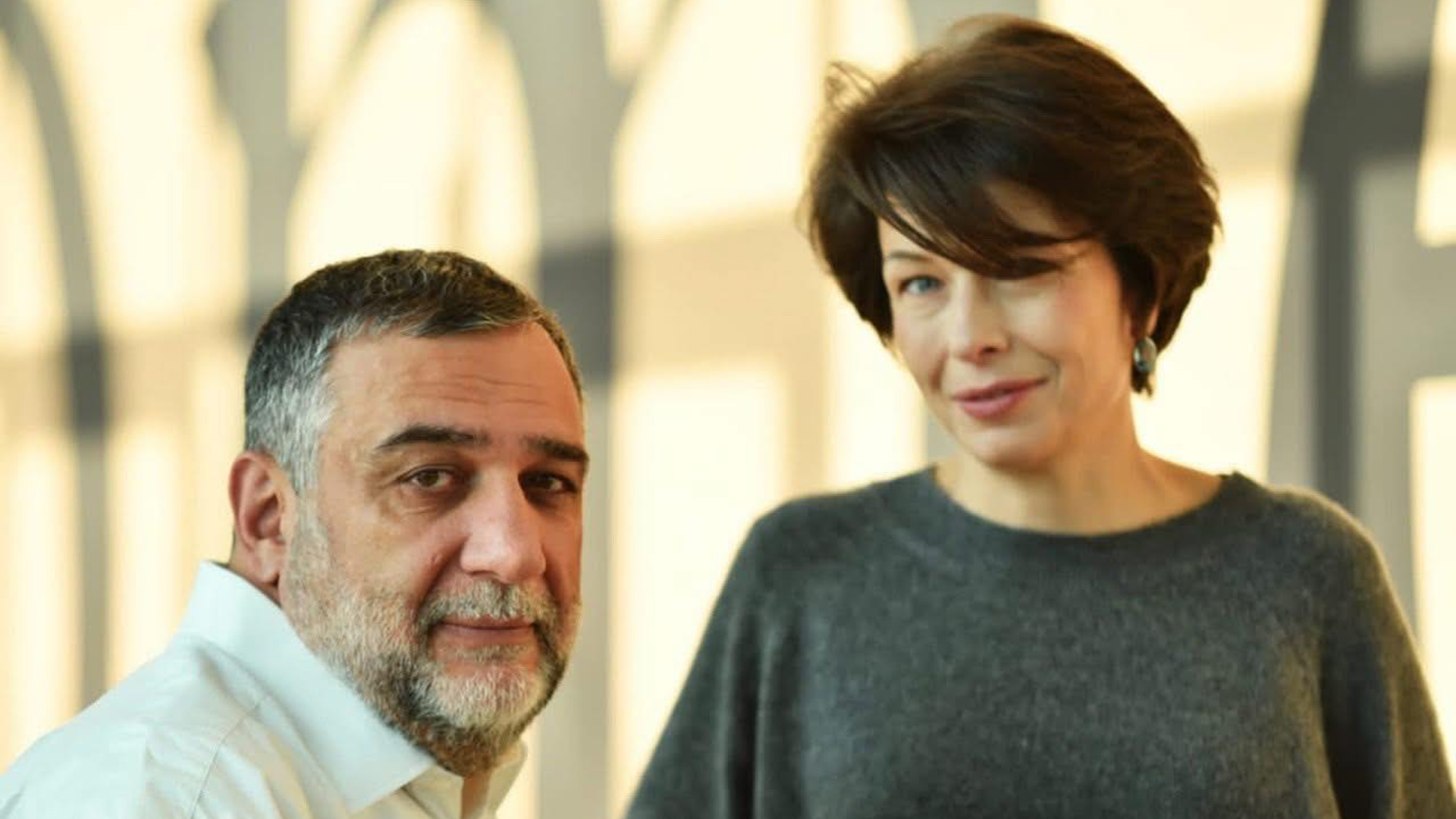
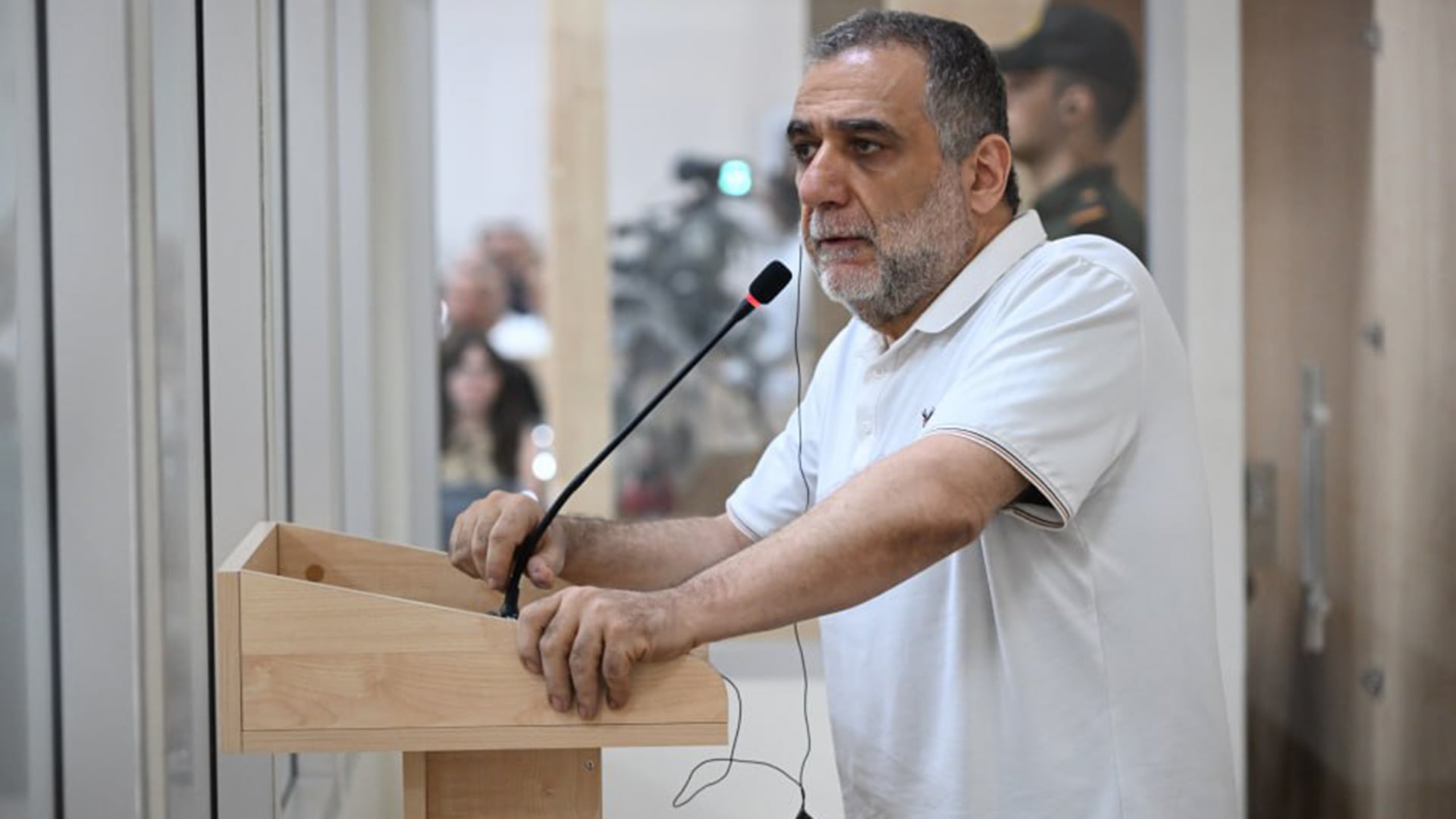
On 13 March, during a phone call with his family, Ruben Vardanyan attempted to deliver a public address to Azerbaijan’s Ombudsperson, Sabina Aliyeva. The call was forcibly terminated.
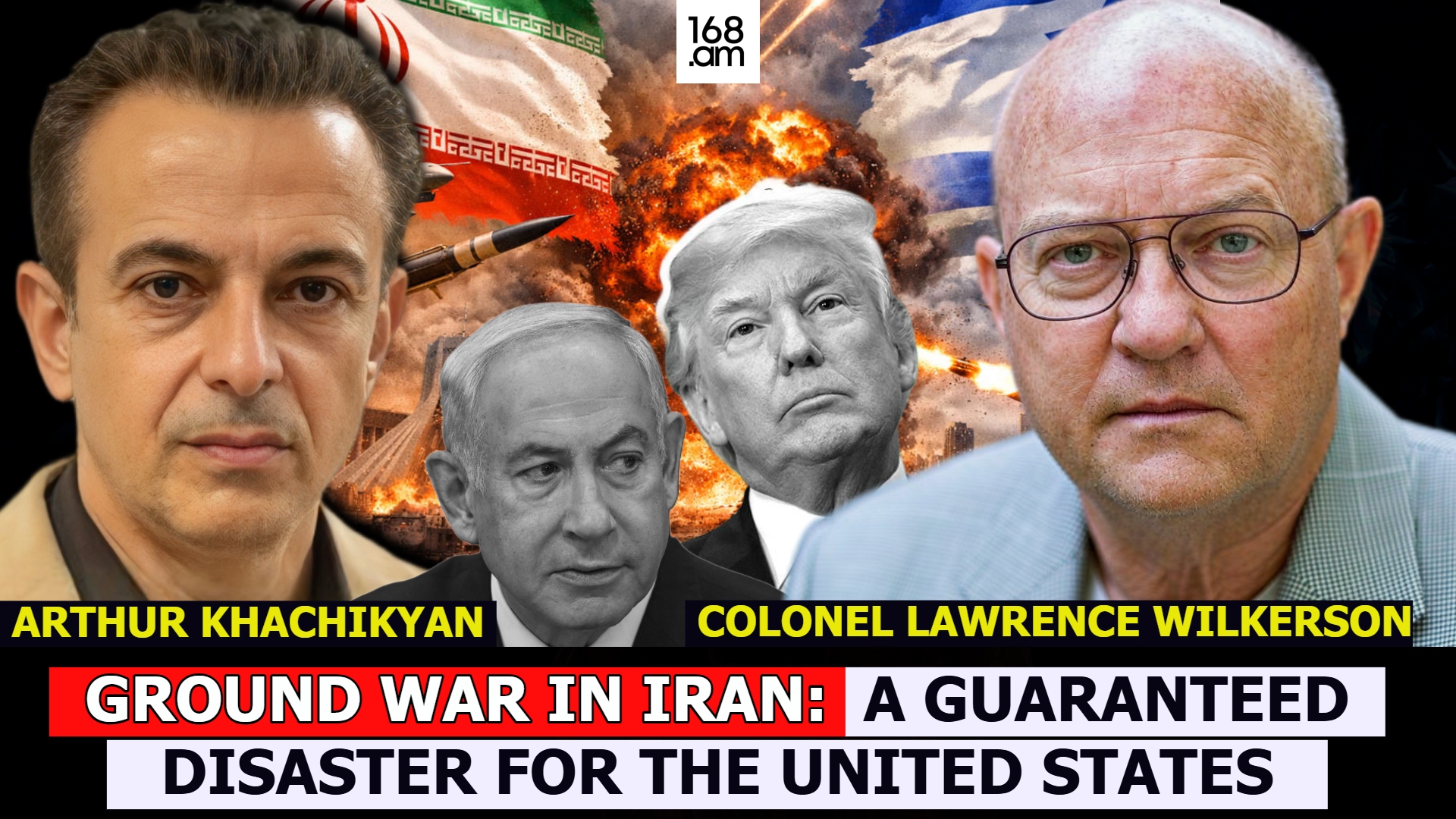
Dr. Artur Khachikyan, a PhD in Political Science from Stanford University, interviewed Lawrence Wilkerson, a retired US Army Colonel, military analyst, and former Chief of Staff to US Secretary of State Colin Powell.
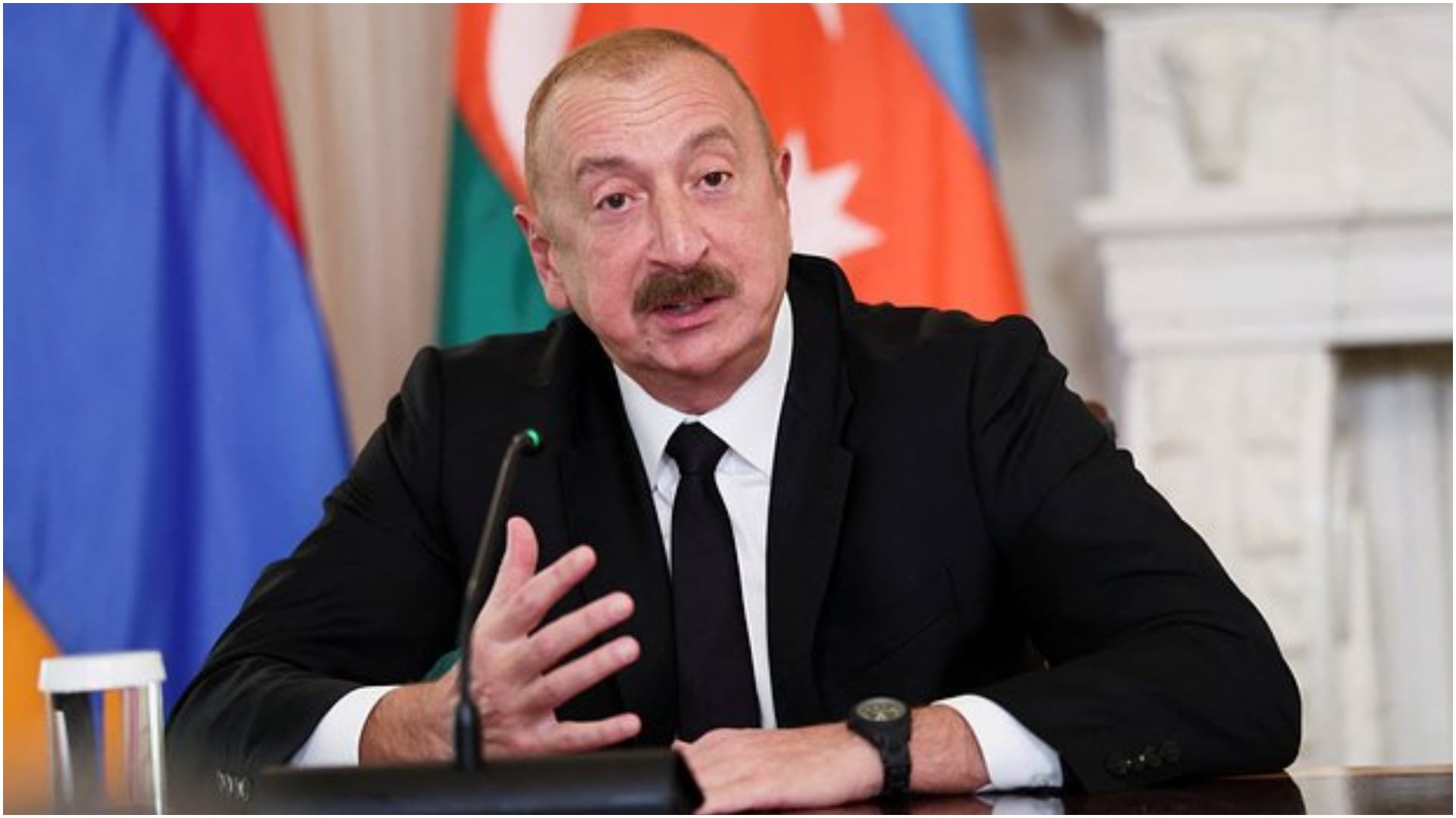
The Lemkin Institute for Genocide Prevention expresses grave concern over recent remarks by Azerbaijani President Ilham Aliyev in which he compared Armenian political detainees and prisoners of war to Nazi leaders convicted at the Nuremberg trials.