

Ninety per cent of schools in Kotayk improve digital literacy and computer science teaching with the support of UNICEF and FAST
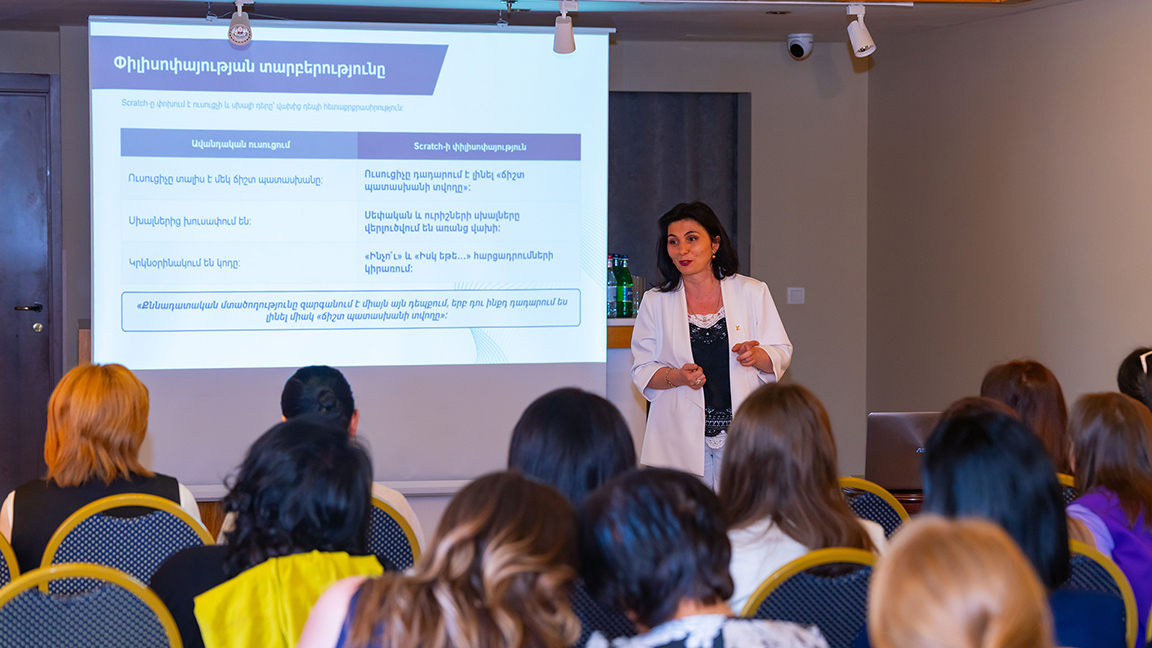
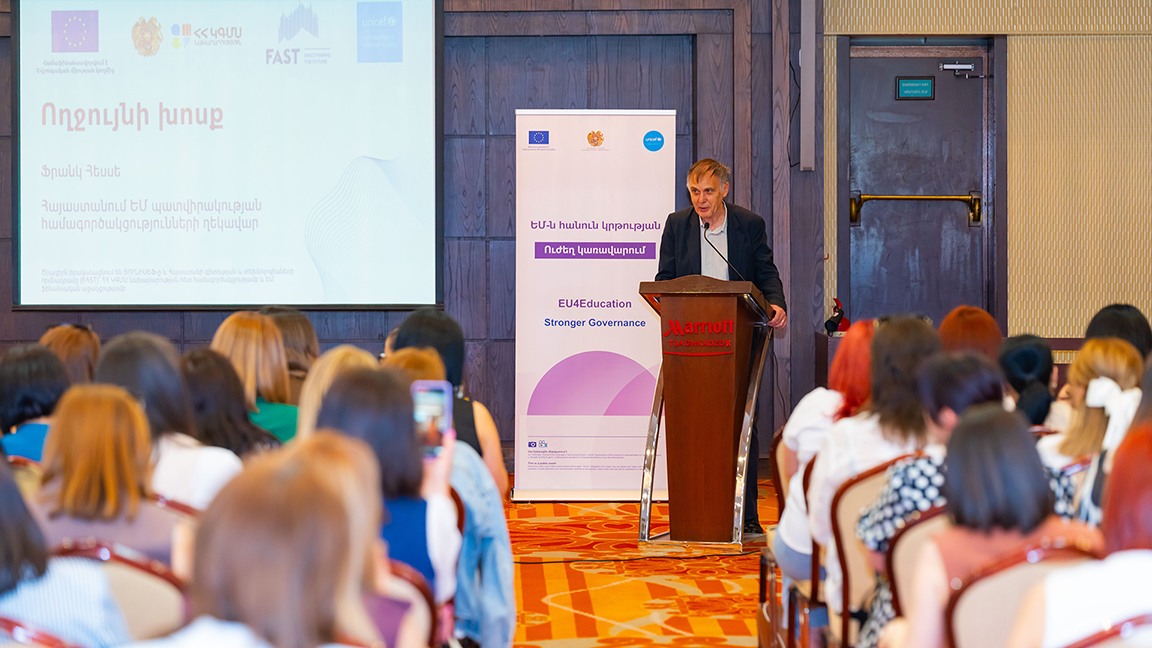
Ahead of academic year 2026-2027, digital literacy and computer science teachers from 90 per cent of the schools in Kotayk province completed a comprehensive professional development training programme, developed and delivered by UNICEF and Foundation for Armenian Science and Technology (FAST) in coordination with the Ministry of Education, Science, Culture and Sports and with financial support from the European Union.
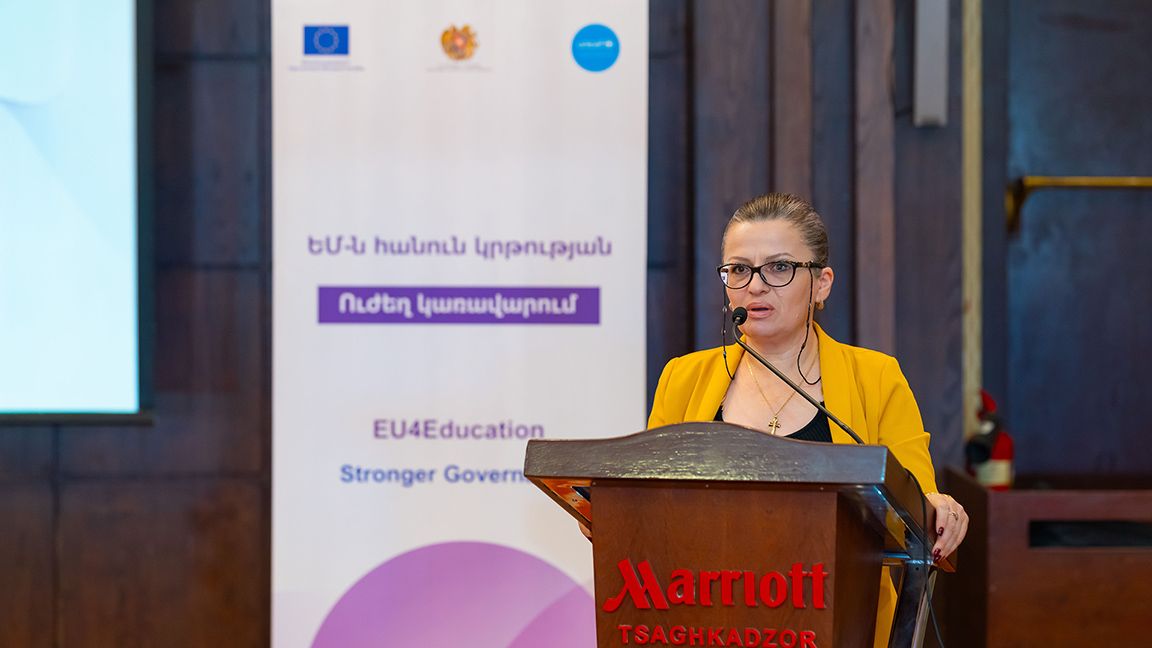
From March to June, 252 teachers from 91 schools across the province completed the programme, obtaining crucial knowledge and skills in algorithmic thinking, programming, project-based learning in digital literacy and computer science, as well as artificial intelligence literacy. The programme targeted teachers of second grade up until senior year of high school, hence primary school teachers took sessions in Scratch, while middle to high school teachers took Python.
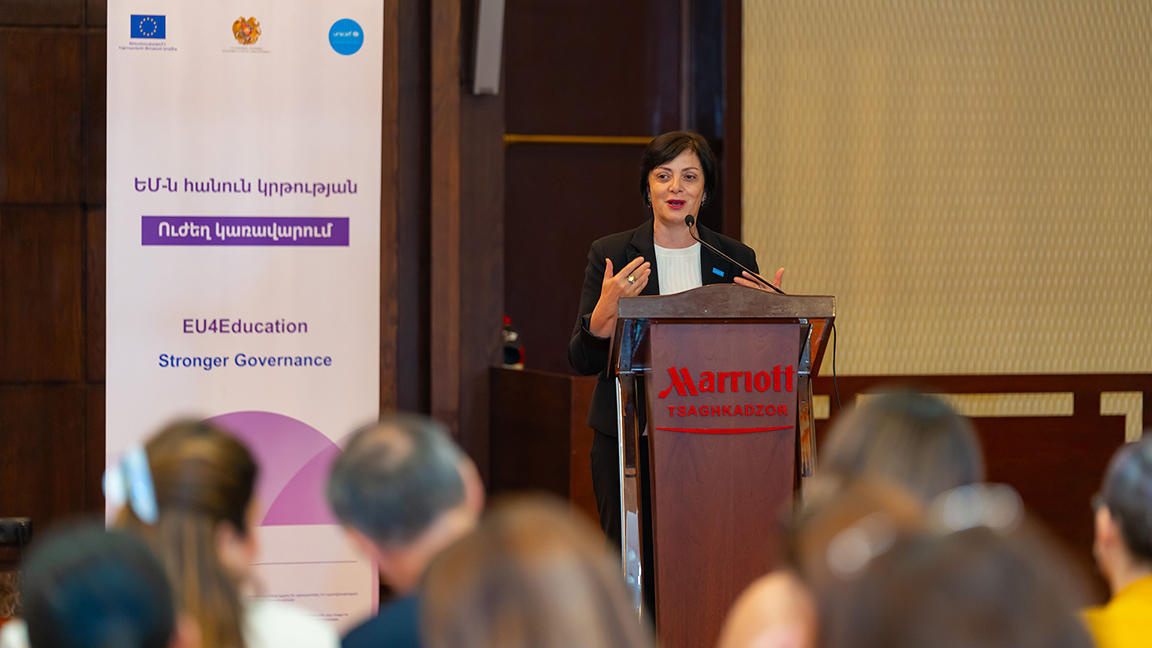
“Teachers are one of the key drivers of transforming the education system and strengthening its quality. Investing in professional development of teachers is ultimately an investment so that children can grow up in a world where they can safely and creatively use modern technologies to learn, socialize and build their futures,” explained Alvard Poghosyan, Head of Education at UNICEF Armenia. “Together with partners, we applied innovative approaches to in-service professional development and demonstrated how digital tools can make the educational process more effective and accessible.”
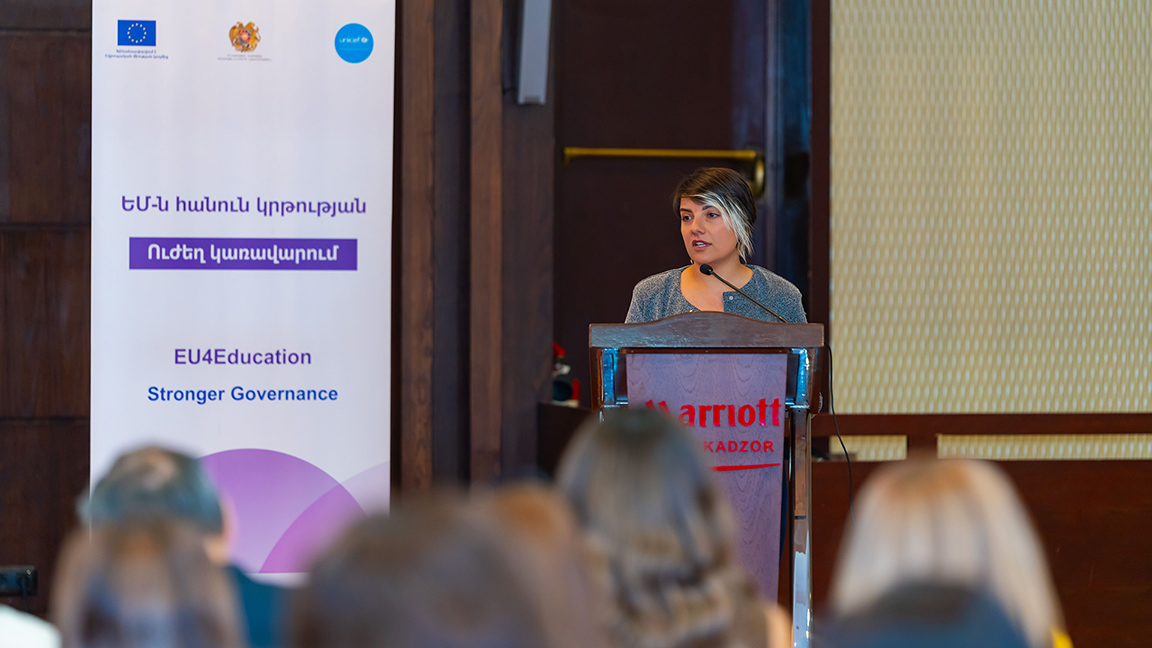
“Building on our long-term collaboration with the Ministry to improve the teaching of artificial intelligence and computer science in schools, we decided to conduct this program in Kotayk to assess the existing needs in Digital Literacy and Computer Science education and strengthen the capacities of DLCS teachers working across grades 2–12,” emphasized Suzanna Shamakhyan, CEO of FAST. “From the outset, our goal was to take a data-driven approach, identify existing gaps and opportunities for development, and design an effective model that could later be scaled up at the national level.”
In addition to training sessions, the participating DLCS teachers received professional support that integrated both subject-specific and pedagogical components.
“I joined the program from the very first day. Across all four modules, I found the discussions and exchange of experiences particularly valuable. I am confident that once I apply what I have learned with my students, we will achieve strong results,” said Karmen Gasparyan, DLCS teacher from Khachatur Abovyan High School No. 1 of Hrazdan.
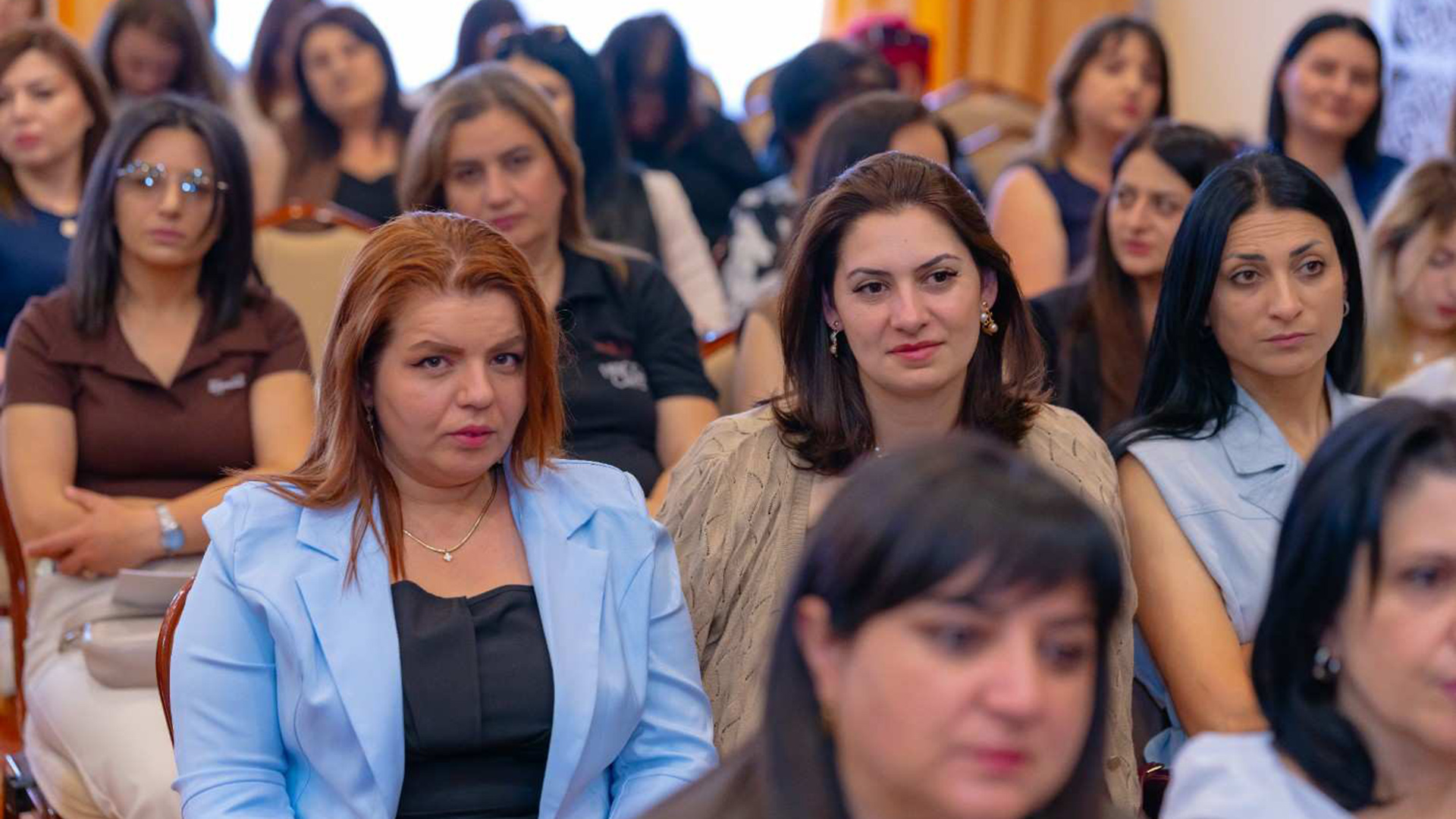
The programme represents an important step toward further strengthening the teaching of digital literacy, computer science, and artificial intelligence in schools, while also supporting teachers in adopting innovative and learner-centered pedagogical approaches. In the long run, this will contribute to the development of digital, analytical and problem-solving competencies of children, needed to thrive in an increasingly technology-driven world.
The Foundation for Armenian Science and Technology (FAST) was founded in 2017 with the aim of creating a favorable ecosystem to promote technological innovation and scientific advancement in Armenia. FAST develops and pilots programs with the potential for a long-term, sustainable impact on Armenia’s science, technology, and innovation ecosystem. Over its nine years of operation, the foundation has implemented 31 programs and impacted more than 27,000 direct and indirect beneficiaries.