For thousands of years, the civilization that built what stands behind me has captivated the imagination of the Western world. Generations of our statesmen, artists, and philosophers have looked to it – they’ve looked to it with wonder and they’ve looked to it with awe.
168TV’s “Diplomat” program interviewed Professor Jeffrey Sachs, world known economist, bestselling author, global leader in sustainable development, Director of the Earth Institute at Columbia University.
Three years after the genocide in Nagorno Karabakh, Christian Solidarity International and partners warn the UN Human Rights Council that appeasement by the international community toward Azerbaijan puts Armenia at risk of the same fate.
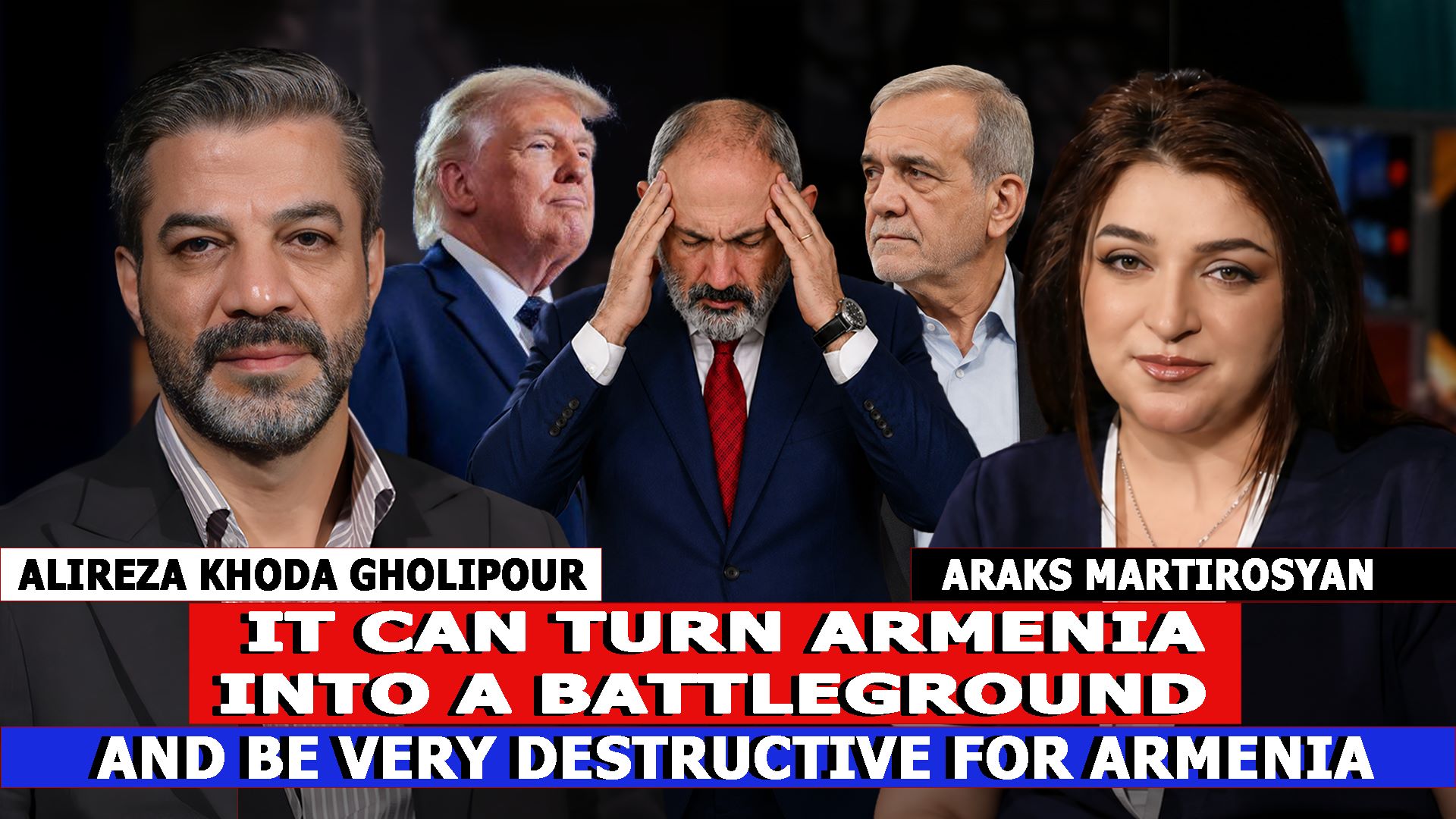
The guest of 168TV’s “Diplomat” program is Alireza Khoda Gholipour, Director General of Iran’s Institute for Political and International Studies.
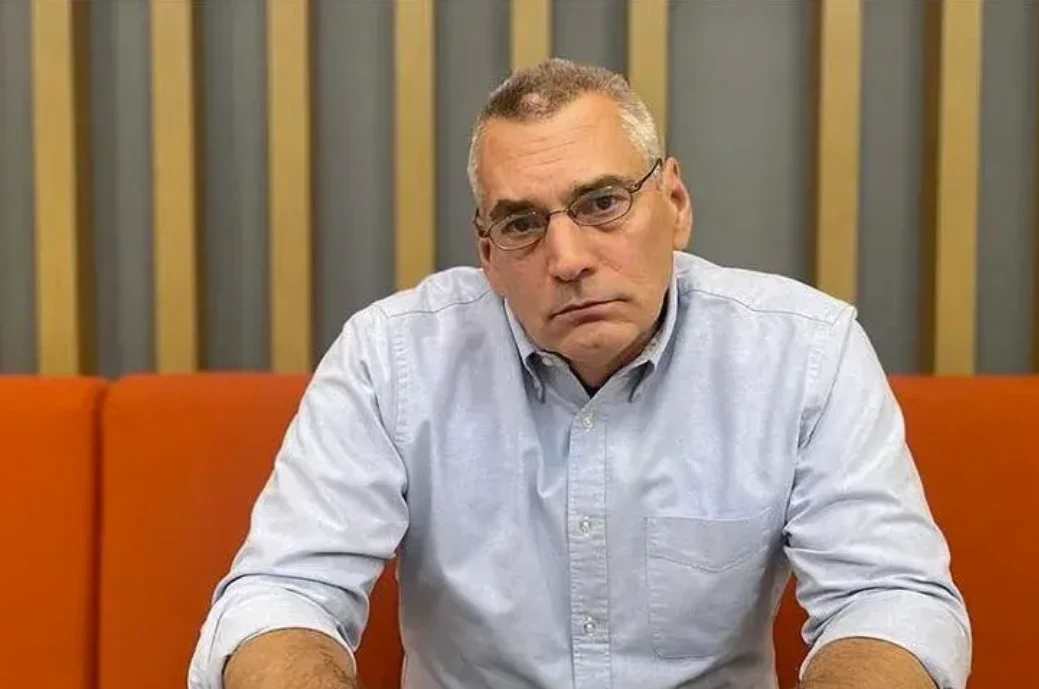
Richard had traveled to Istanbul on business, but over the past week his health deteriorated. He has been diagnosed with a brain hemorrhage.
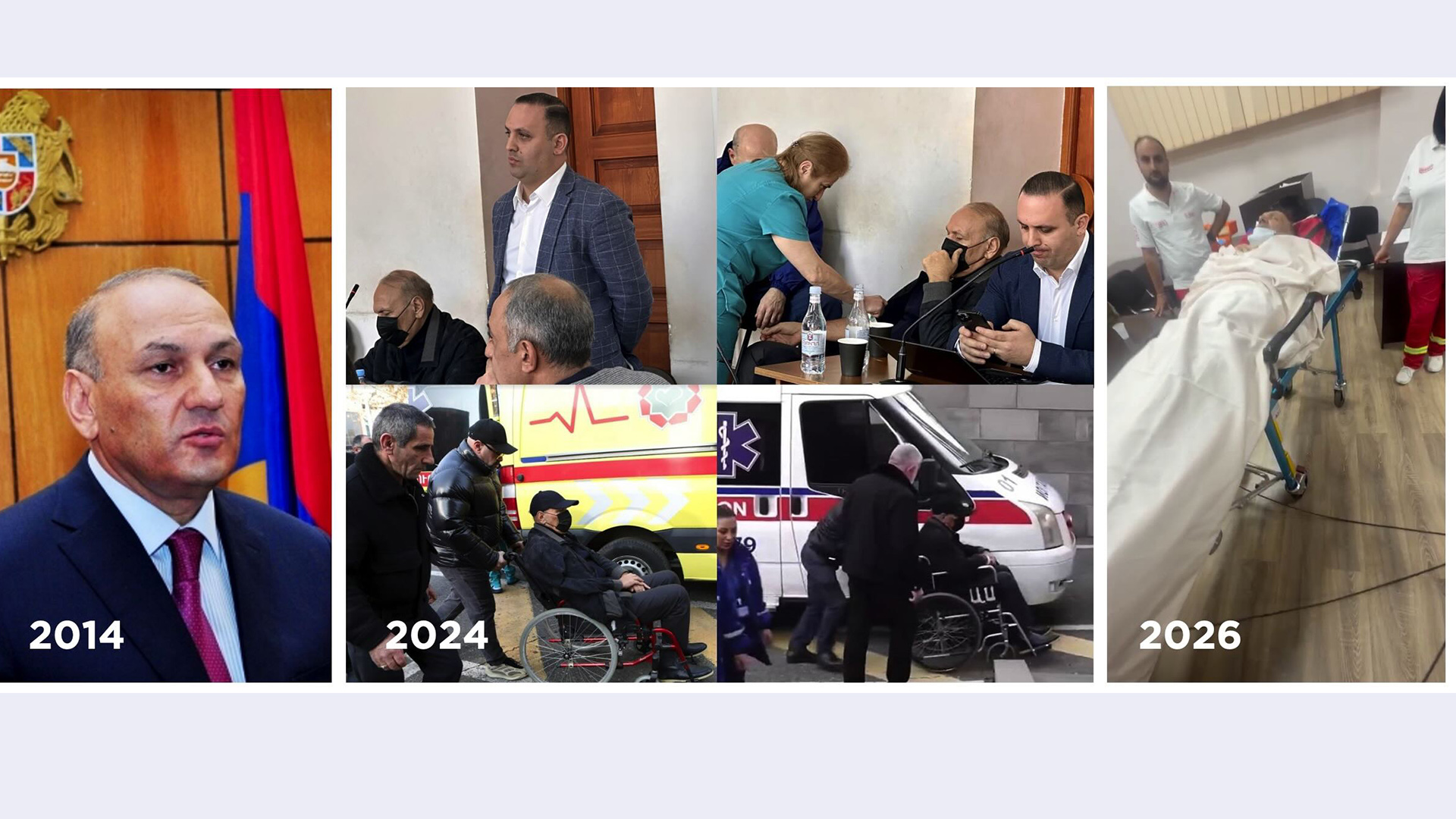
Gagik Khachatryan’s legal team has filed a request for urgent interim measures with the European Court of Human Rights (ECHR). The legal team requested from the European Court to immediately instruct the Government of Armenia to release him from detention and ensure that he had access to the medical institution in Germany that has already confirmed its medical commitment to perform the planned surgery.
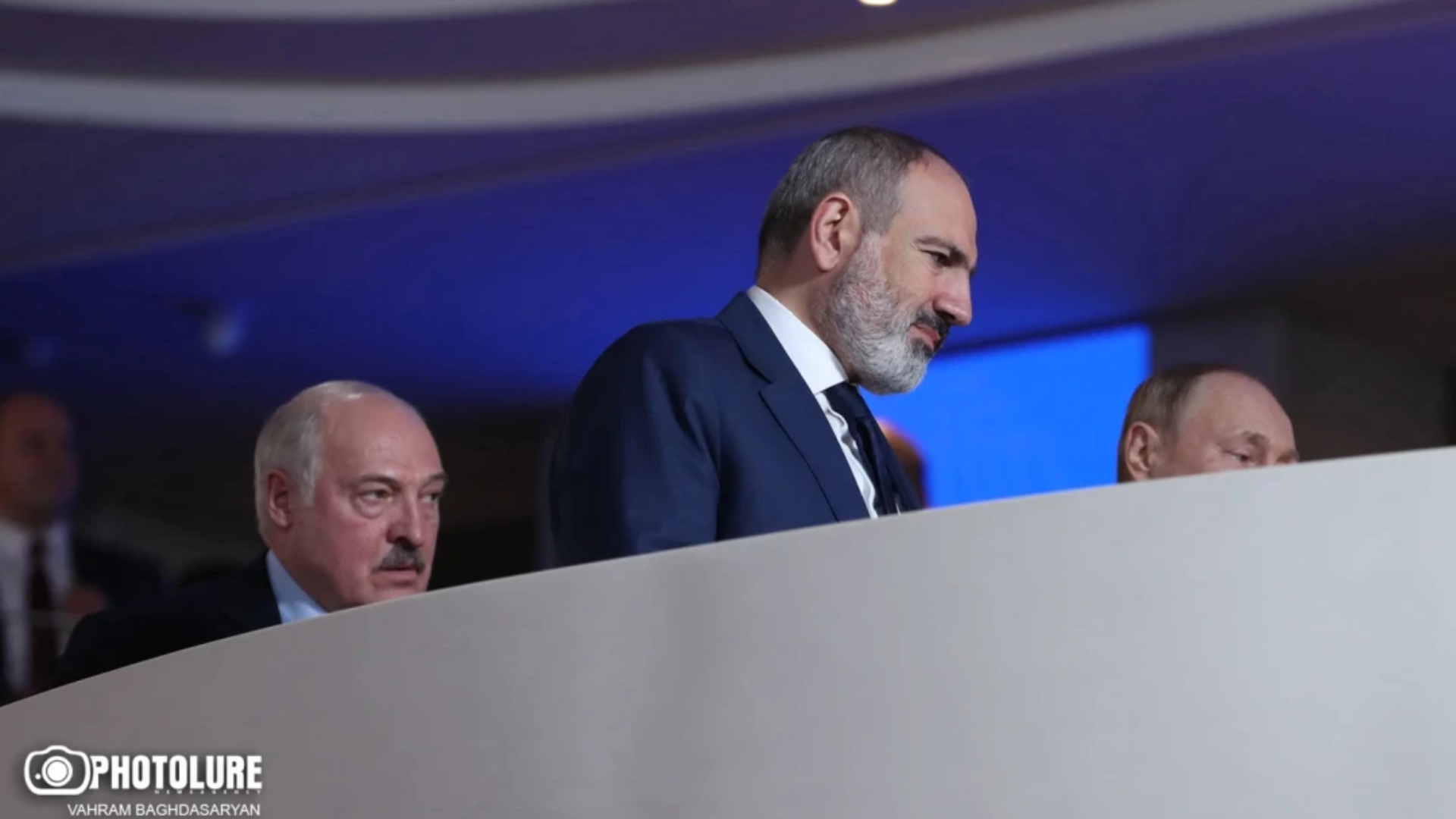
Armenia’s new government program for 2026-2031 significantly recasts the country’s foreign policy compared with the previous five-year program, with one of the most striking changes concerning Russia.
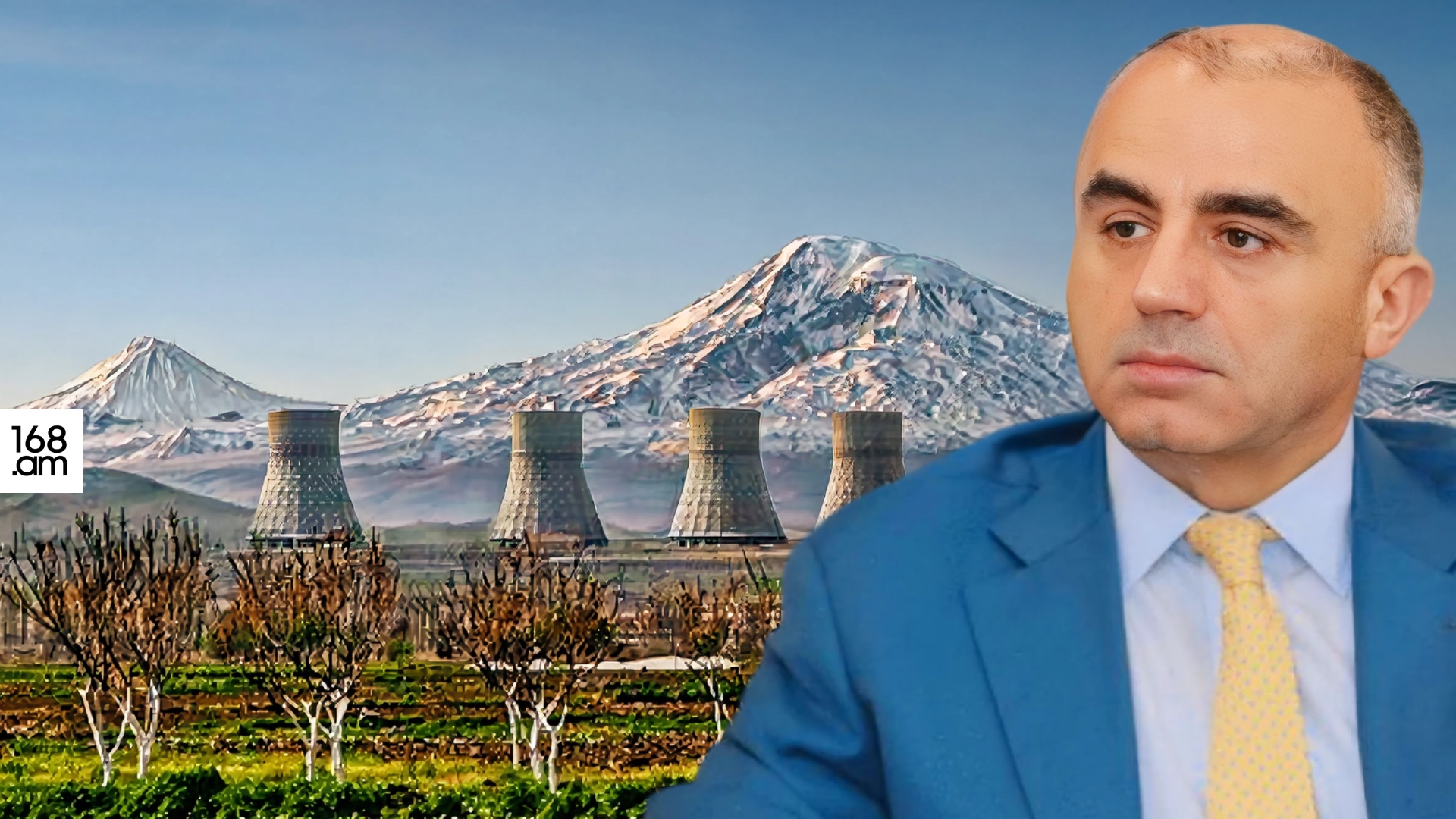
I briefly addressed the subject of small modular reactors (SMRs) in March this year in an article entitled “The Big Problems of a Small Reactor”. It examined the technological and economic uncertainties surrounding such projects, as well as issues related to fuel supply and radioactive waste management.
14-year-old Armenian FM Tyhran Ambartsumian defeated the world’s highest-rated player, GM Magnus Carlsen, in the Titled Tuesday online tournament held on August 18.
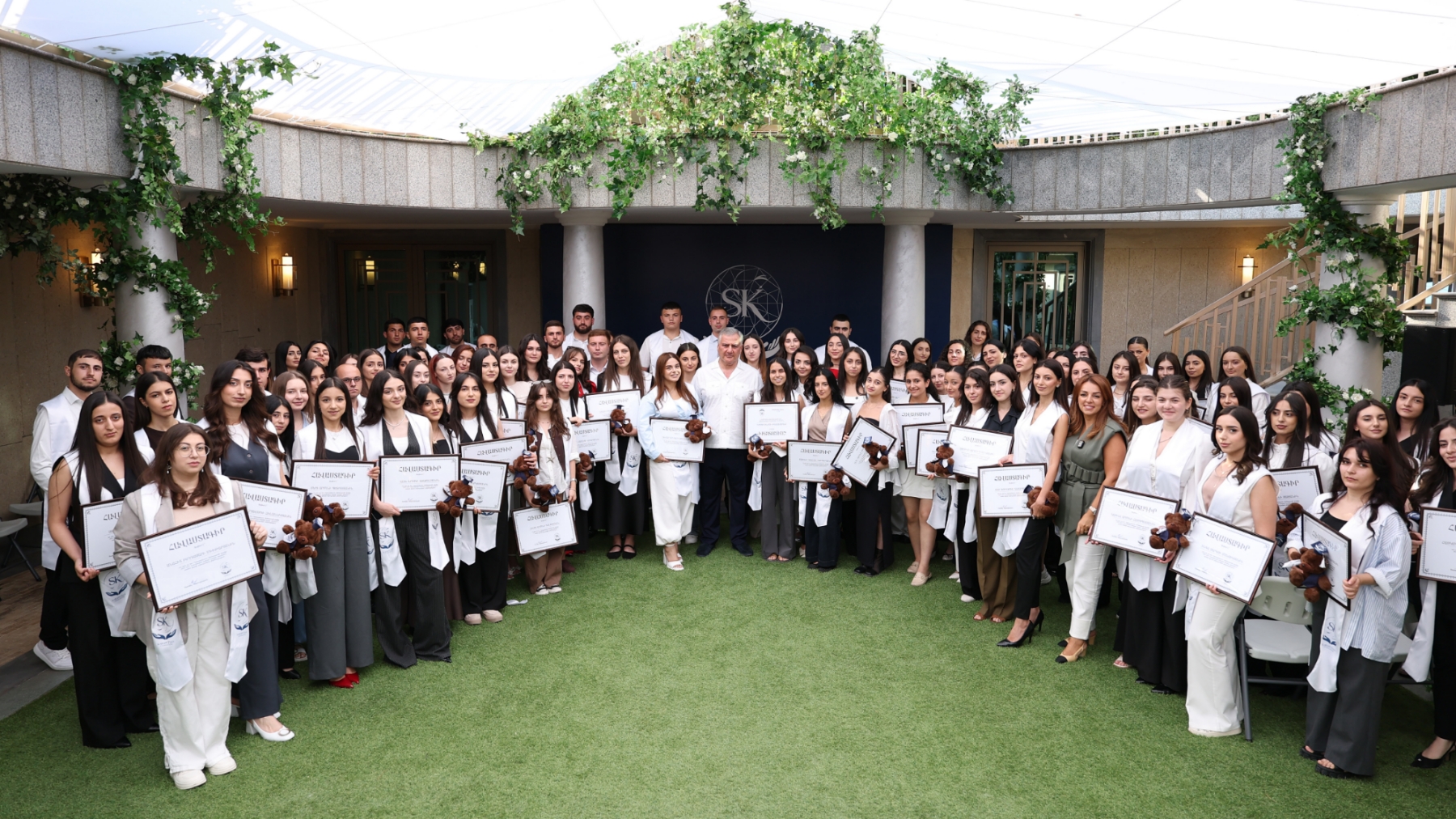
The long-awaited awards ceremony for the “Top 100 Students of Armenia” competition has finally taken place. Held on August 17, the eve of Samvel Karapetyan’s birthday, the event brought participants together in an intimate setting, with Samvel Karapetyan personally in attendance. Samvel Karapetyan welcomed 100 high-achieving students selected from all regions of Armenia and Artsakh. […]