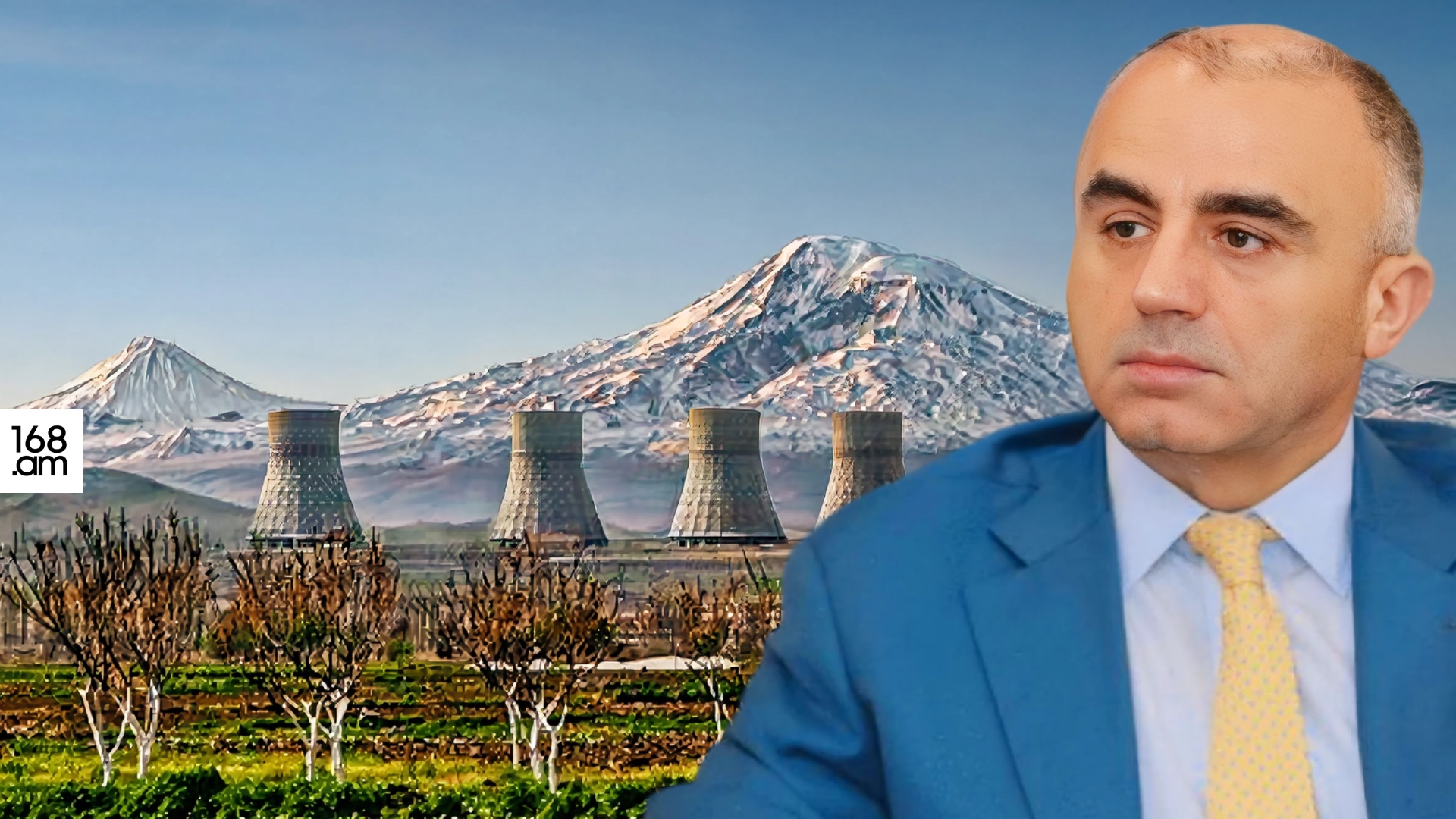
I briefly addressed the subject of small modular reactors (SMRs) in March this year in an article entitled “The Big Problems of a Small Reactor”. It examined the technological and economic uncertainties surrounding such projects, as well as issues related to fuel supply and radioactive waste management.
14-year-old Armenian FM Tyhran Ambartsumian defeated the world’s highest-rated player, GM Magnus Carlsen, in the Titled Tuesday online tournament held on August 18.
The long-awaited awards ceremony for the “Top 100 Students of Armenia” competition has finally taken place. Held on August 17, the eve of Samvel Karapetyan’s birthday, the event brought participants together in an intimate setting, with Samvel Karapetyan personally in attendance. Samvel Karapetyan welcomed 100 high-achieving students selected from all regions of Armenia and Artsakh. […]
The acknowledgment of the Armenian Genocide is prohibited by the Turkey’s judicial apparatus. The primary legal mechanism used to punish dissidents, journalists, and academics who attempt to discuss these historical atrocities is Article 301 of the Turkish Penal Code.
Despite their diplomatic cunning, one thing Turkish leaders have never learned is to keep their mouths shut when accused of genocide. They fail to realize that every time they deny committing mass crimes, they inadvertently draw more attention to their long criminal history.
Modern mining is difficult to imagine without digital technologies, data, and innovative solutions. However, simply adopting new technologies does not necessarily lead to effective digitalization. What matters is how these technologies are integrated into a mine’s overall operating system and how the data collected is transformed into actionable insights that support decision-making.
On August 8, in his Address, the Prime Minister of the Republic of Armenia stated that “we are all very concerned and worried about the imprisonment of our compatriots in Azerbaijan.” I fully share this assessment and was glad to read these words.
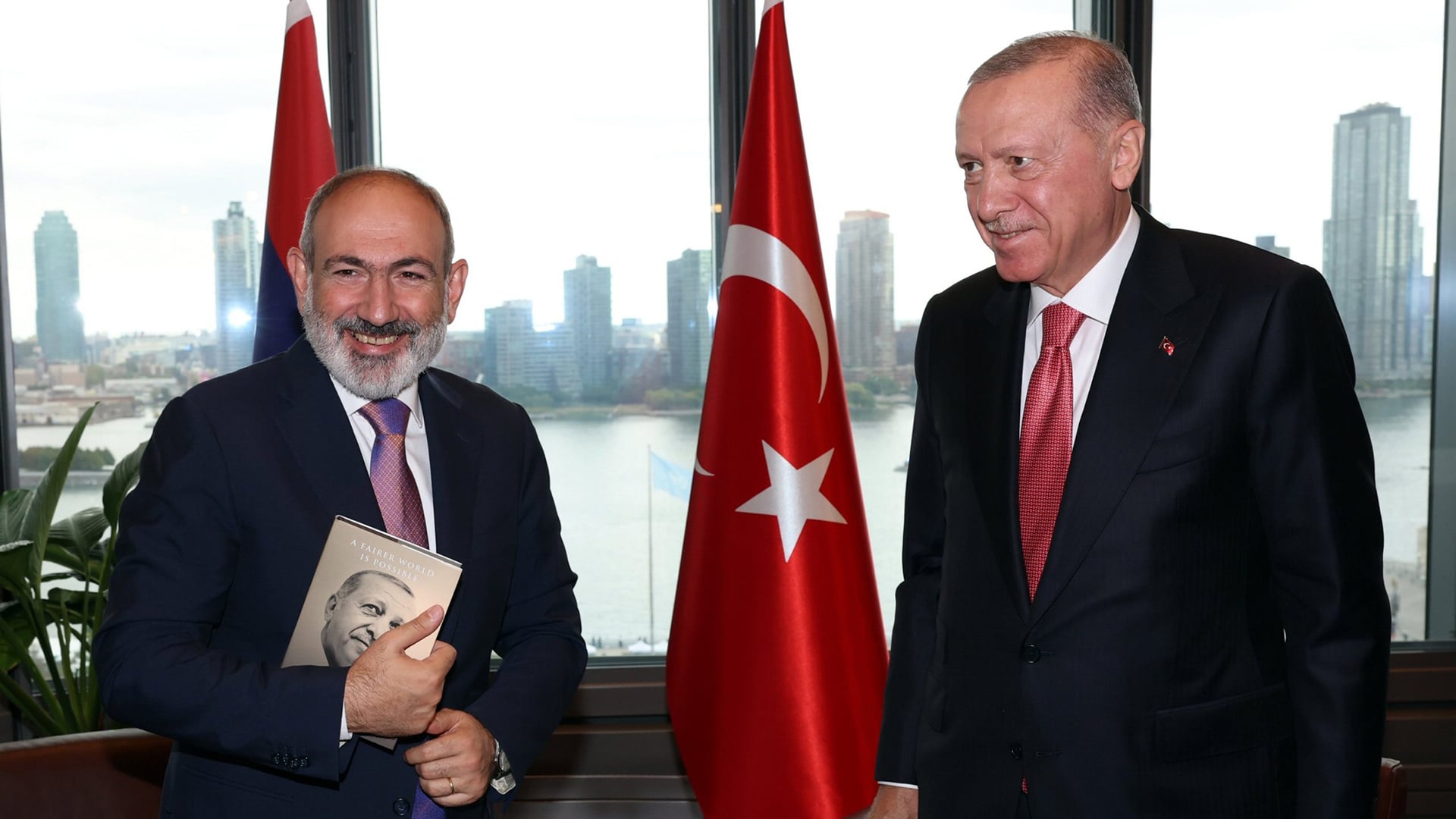
Prime Minister Nikol Pashinyan is crossing all permissible red lines, exceeding every limit on his power.
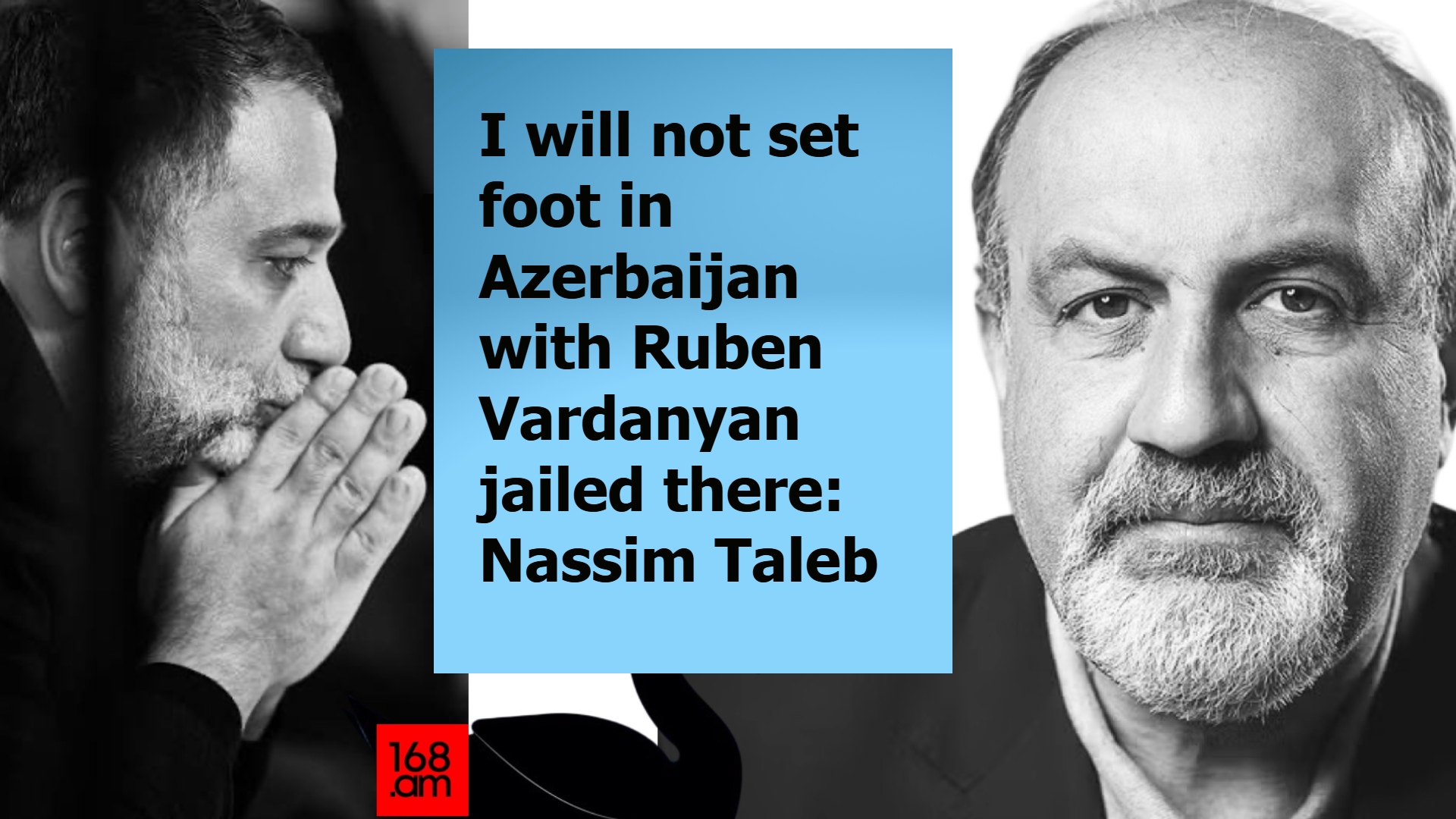
“Was asked to go to Azerbaijan for a lecture. I declined (they huugely upped their offer, not understanding my ethics, thinking it would make a difference).
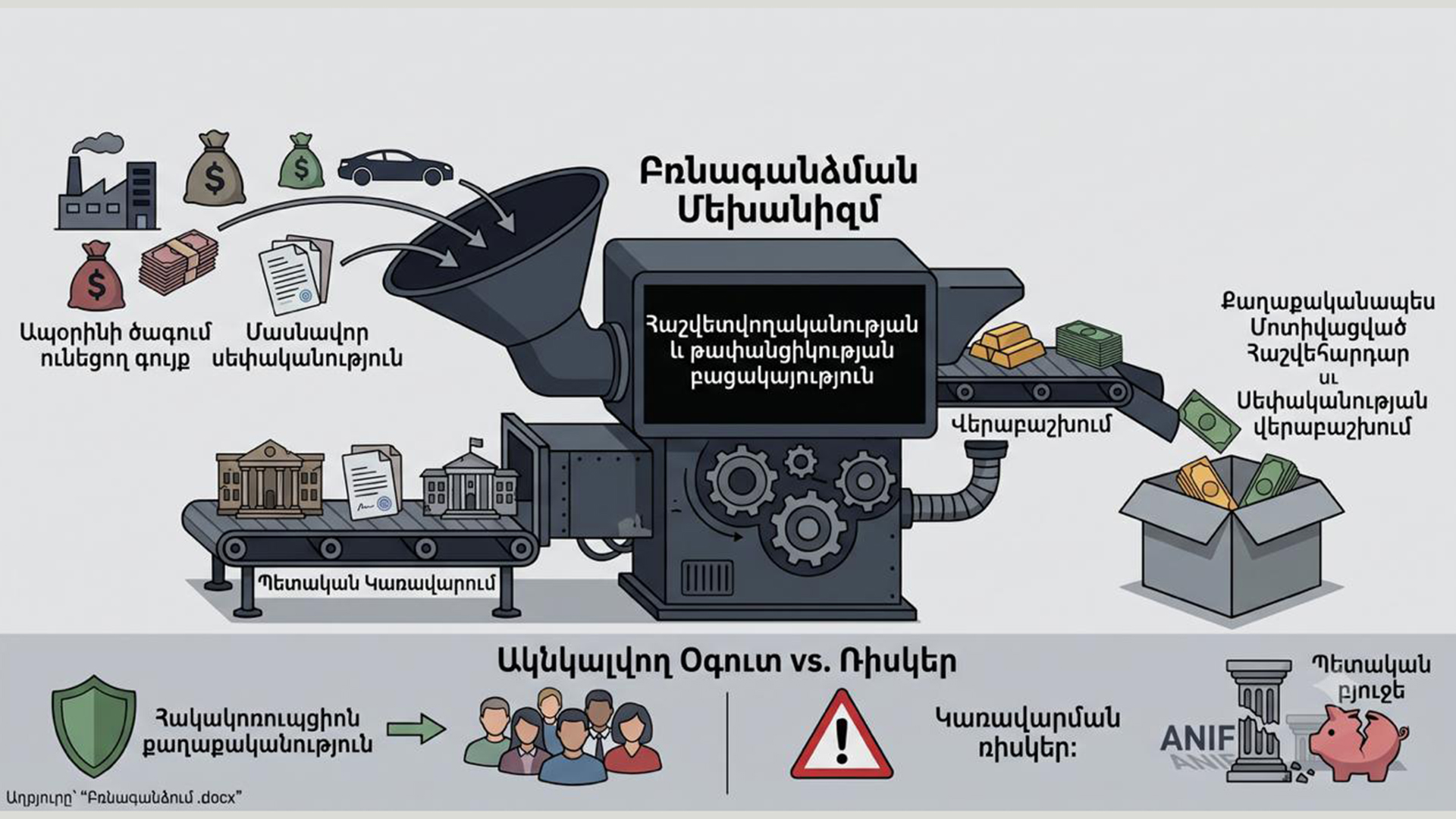
Immediately after the elections, the process of politically motivated confiscation of private property gathered new momentum in the country. The government justifies its actions by invoking the need to return illicitly acquired assets to the public and protect the public interest.