Dear Mr. Vice President, In your remarkable book “Hillbilly Elegy: A Memoir of a Family and a Culture in Crisis,” you wrote about your people: “An intense sense of loyalty, a fierce dedication to family and country.”
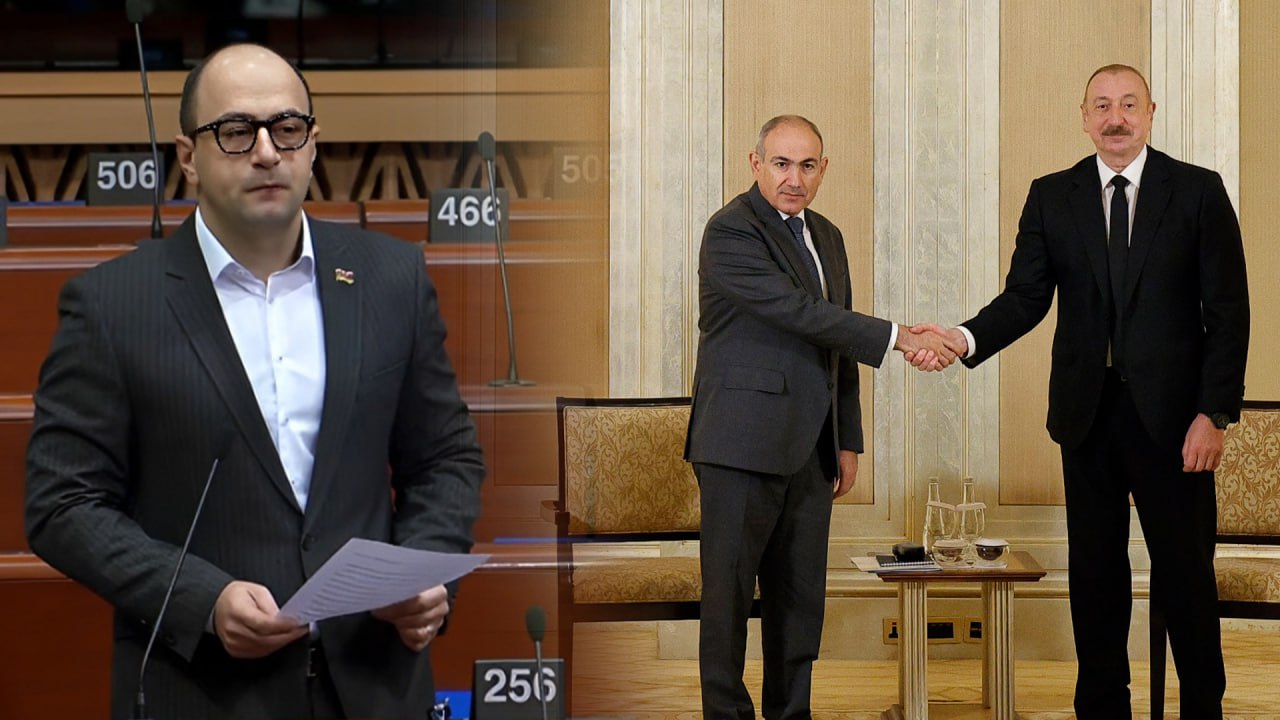
My land is politically occupied by Nikol Pashinyan, physically by Ilham Aliyev: Hayk Mamijanyan at PACE
In recent months, there have been several references to an important book in Armenian published by Turkologist Dr. Ruben Safrastyan in Yerevan in 2019. The book is titled: “Mustafa Kemal: The Struggle Against the Republic of Armenia, 1919-1921.”
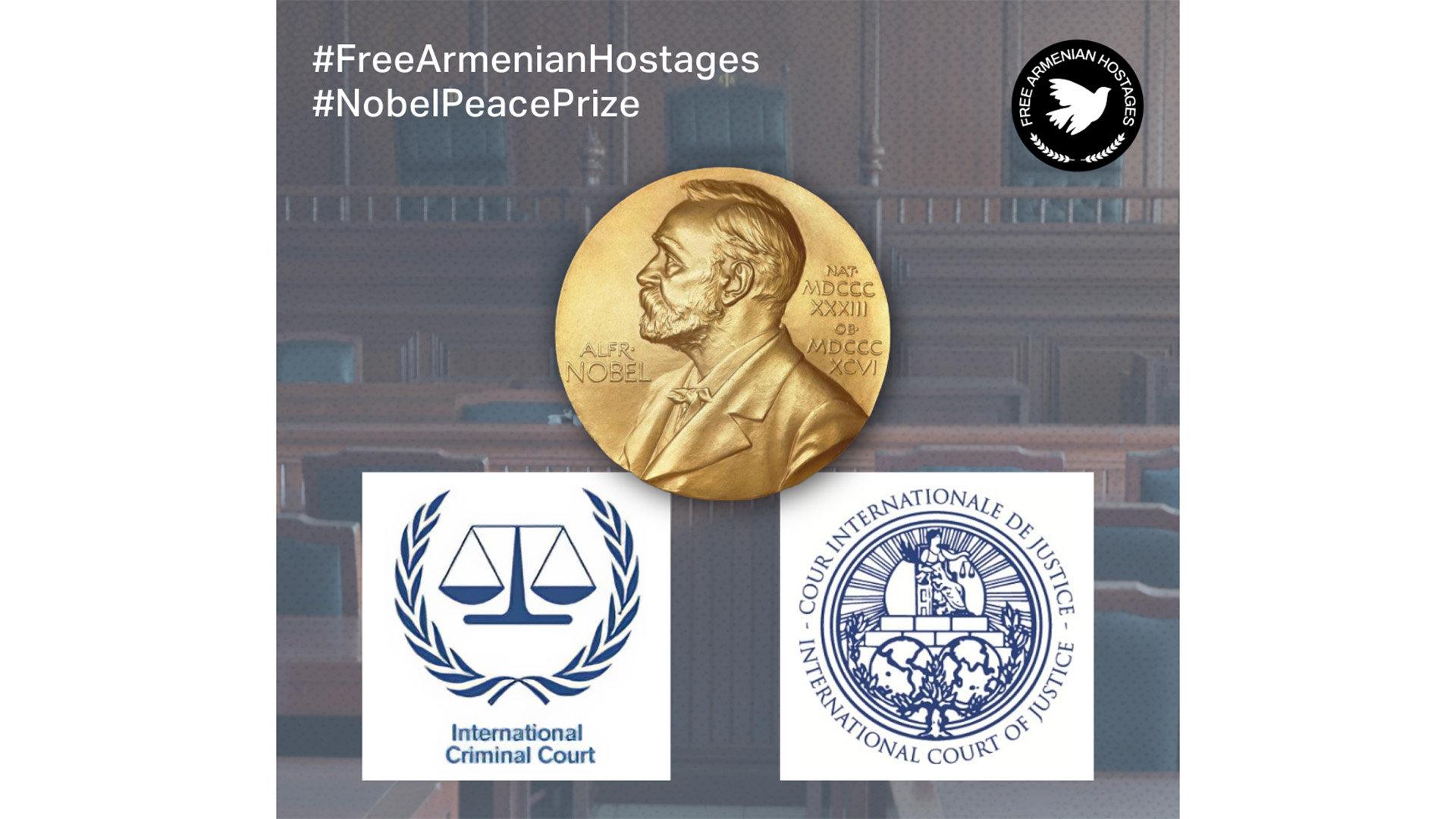
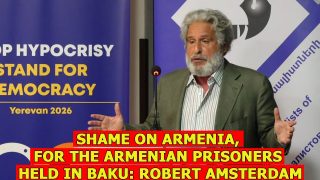
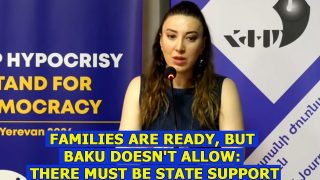
A global civil society initiative advocating for the release of Armenian hostages and the protection of fundamental human rights has launched an international campaign urging eligible Nobel Peace Prize nominators to use their moral authority to reaffirm the primacy of international law and accountability.
I respectfully submit this communication for consideration under the mandates of the Special Rapporteur on the situation of human rights defenders
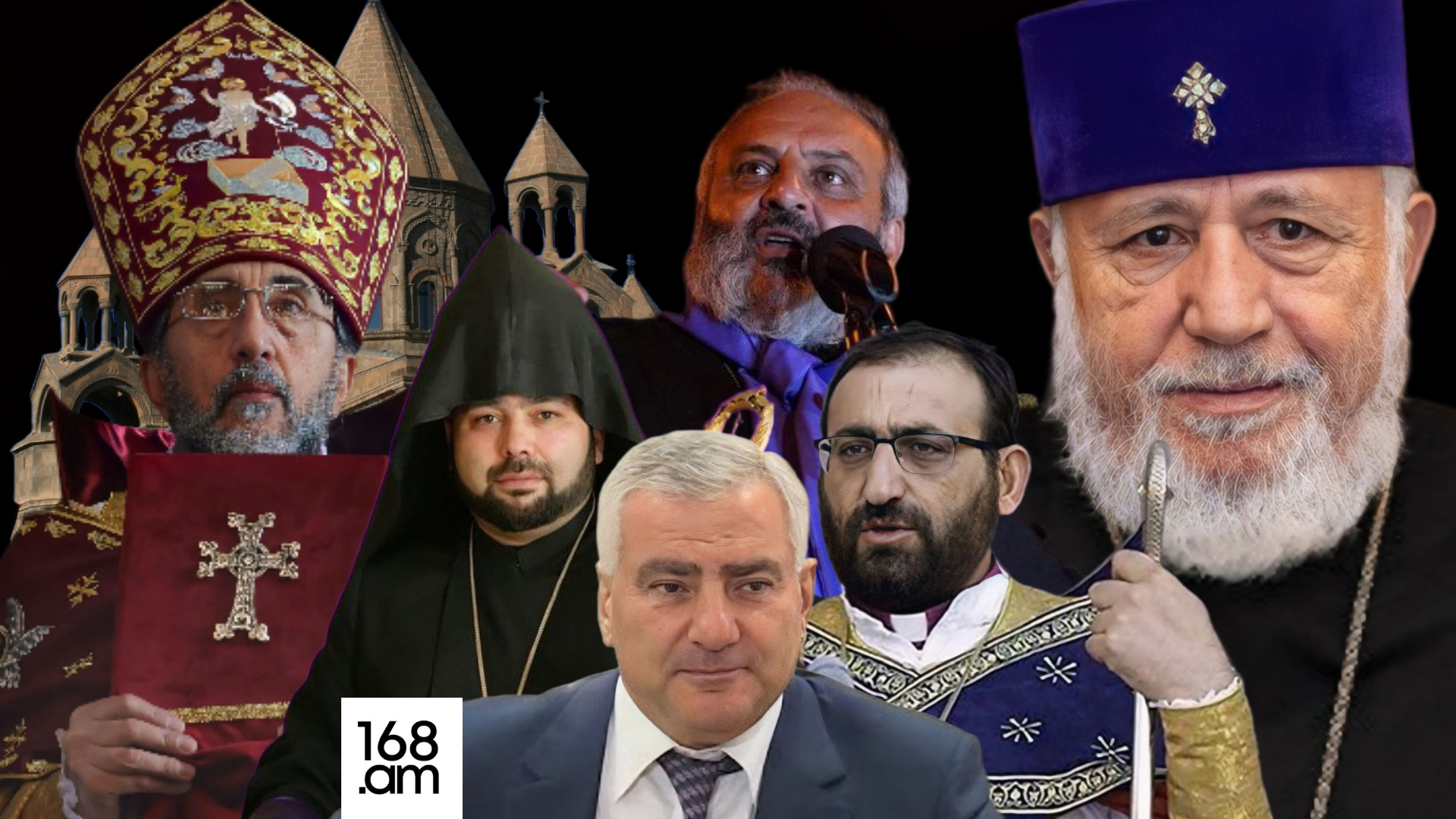
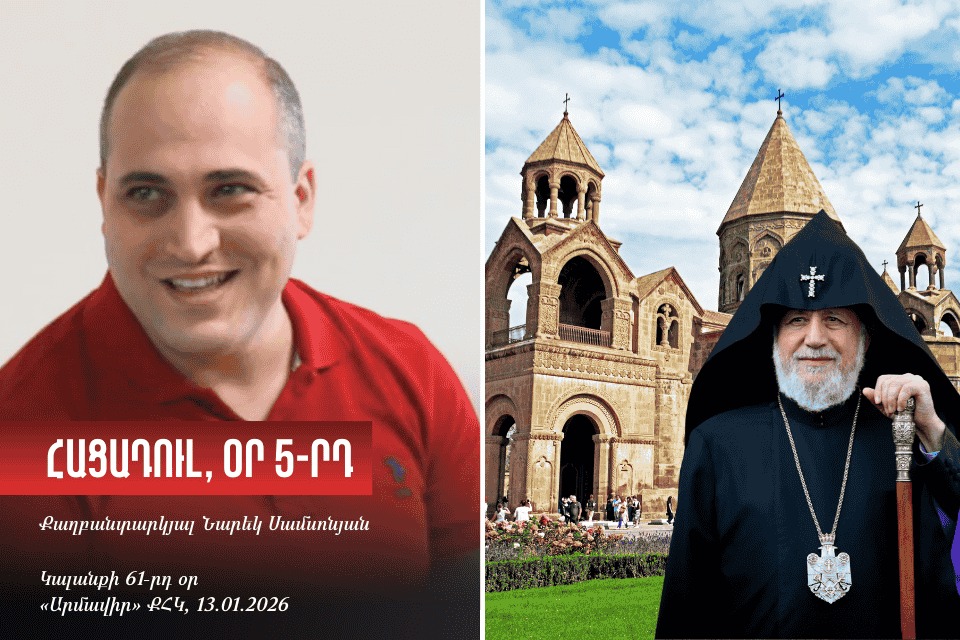
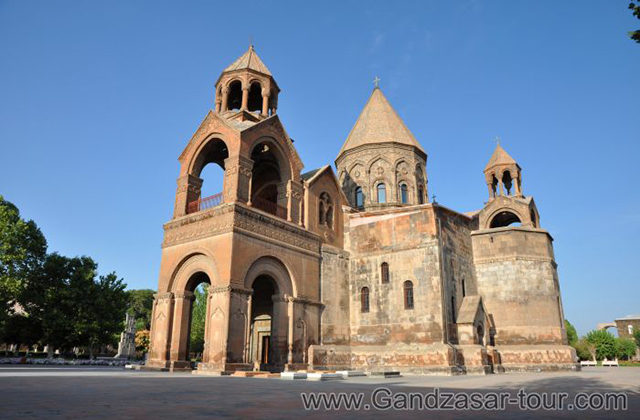
Over the last few days, various priests have declared their support for the anti-church treason of “Nikol Kchoyan.” And while the number of joining traitors is very small, it is nonetheless repulsive to watch priests acting against their own essence. Among the ranks of these priests are some who, according to information circulating in the press, were lavishing the regime’s ringleader and the traitorous bishops with the vilest insults right up until the moment they wrote their “letters of capitulation.”
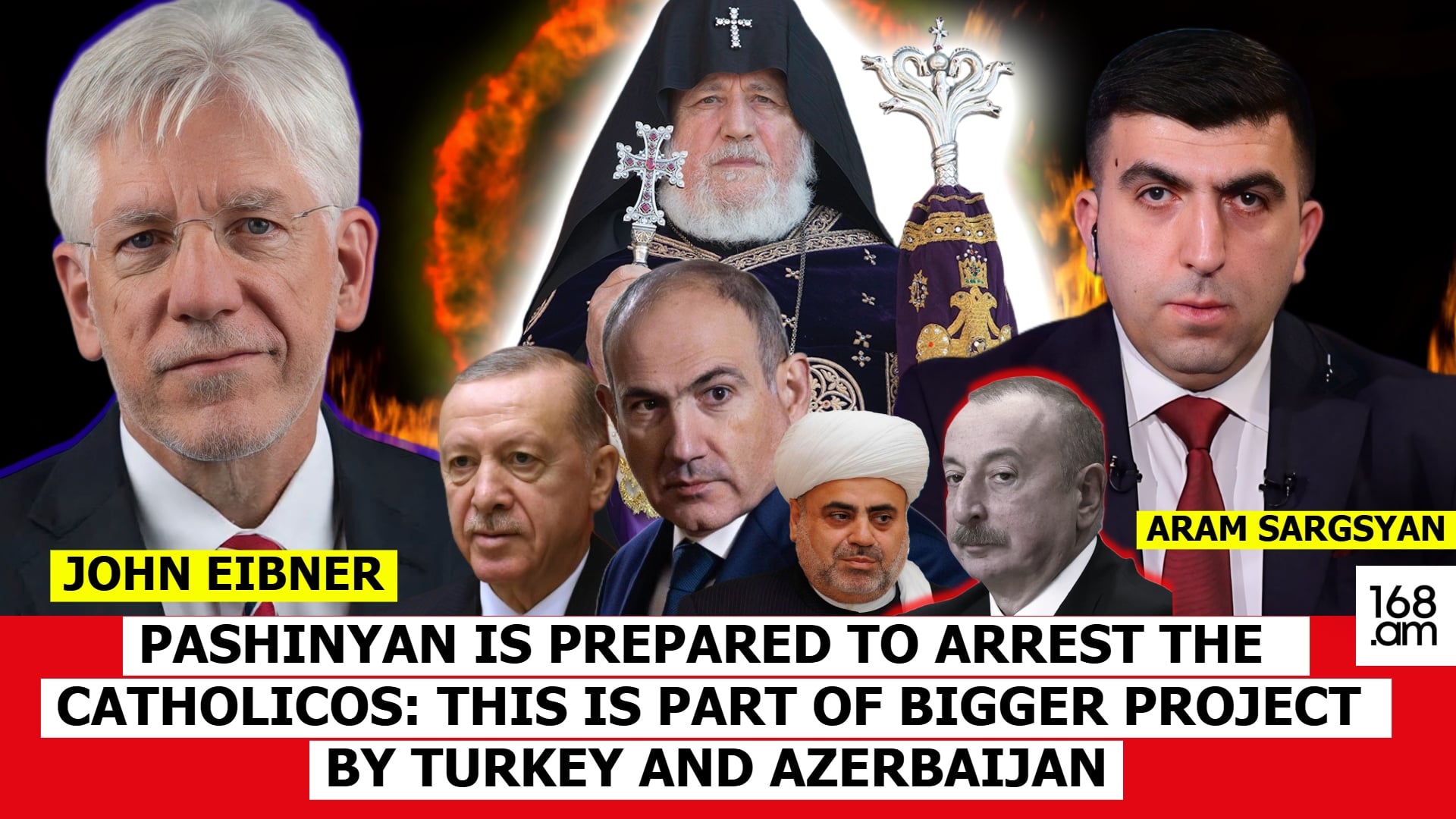
Speaking in an interview with “168 Hours”, Dr. John Eibner, an American human rights activist and president of Christian Solidarity International (CSI) human rights organization, stated that the actions by Nikol Pashinyan’s government against the leadership of the Armenian Apostolic Holy Church and the Catholicos of All Armenians are fundamental violations of religious freedom, and the Armenian Prime Minister has no legal business interfering in the internal affairs of the Church.
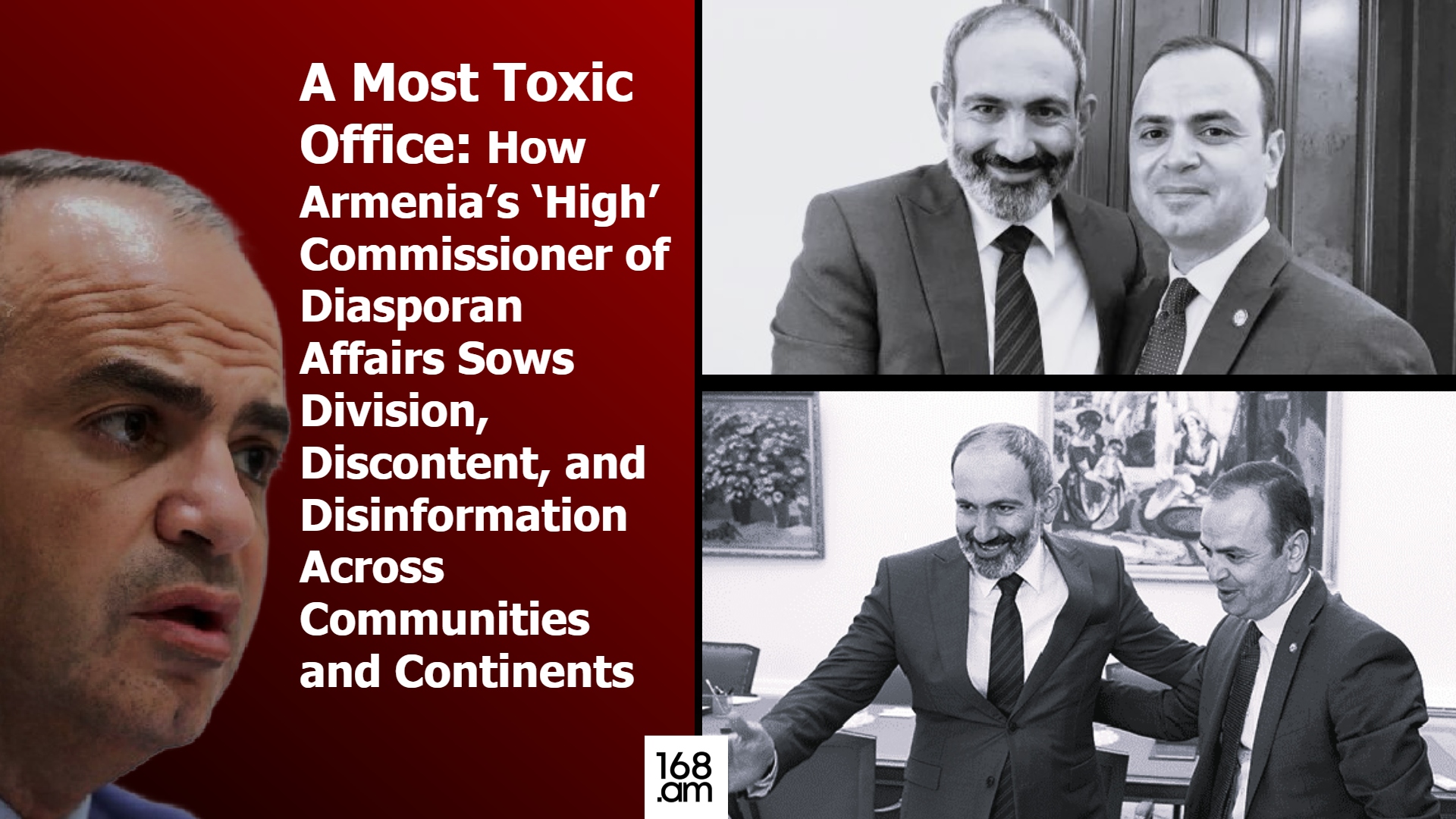
“Whoever controls the Diaspora controls the future of the Republic of Armenia”— an idea well understood by the official responsible for Diaspora affairs, Zareh Sinanyan. Recently, inside a university lecture hall in Los Angeles—the U.S. city with the largest concentration of Armenians outside of Yerevan—Zareh Sinanyan, “High Commissioner for Diaspora Affairs of the Republic of […]
Statement on the Suppression of the Armenian Apostolic Church: Historical Continuities of Identity Erasure within Victim Groups
The Lemkin Institute calls on the Armenian government to immediately cease all politically motivated actions against the clergy and to reaffirm its commitment to the constitutional principles of religious freedom and pluralism. The Institute further urges international observers and human rights organizations to monitor developments in Armenia closely, recognizing that the erosion of religious institutions has historically preceded broader campaigns of societal fragmentation and identity erasure.