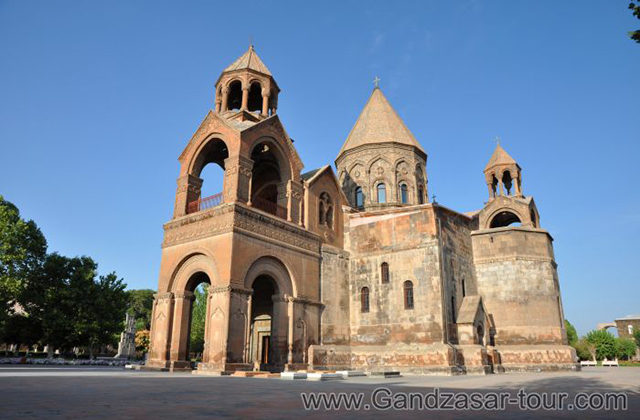
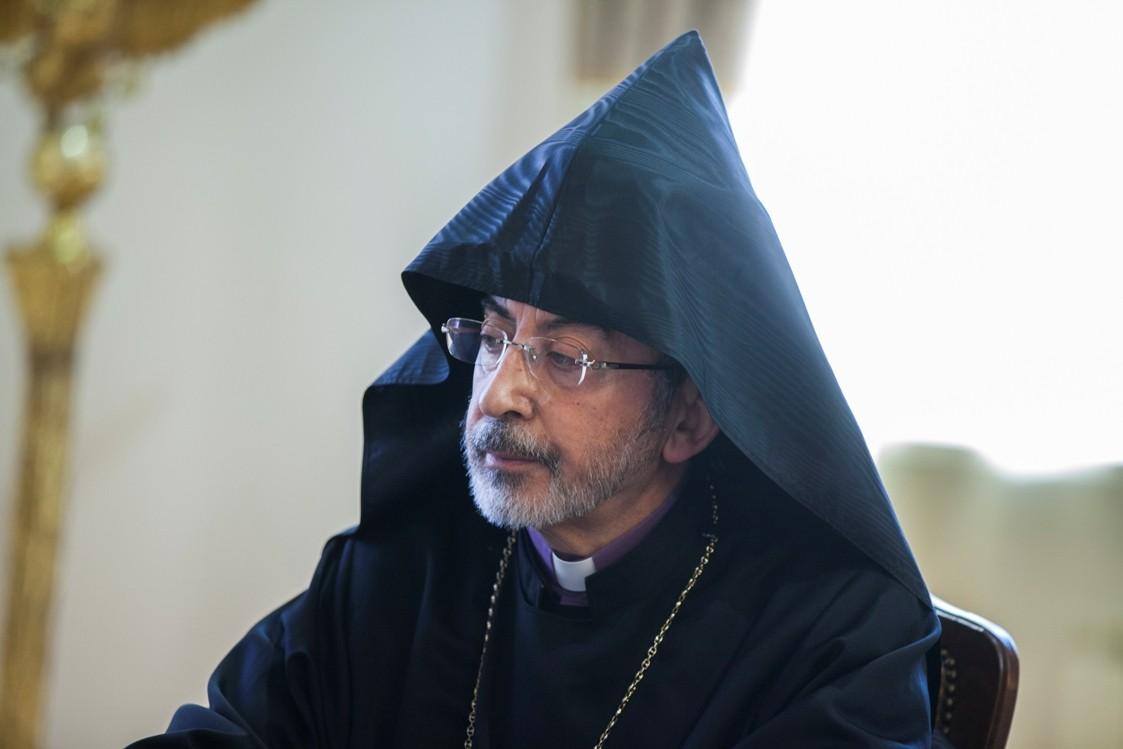
The Lemkin Institute calls on the Armenian government to immediately cease all politically motivated actions against the clergy and to reaffirm its commitment to the constitutional principles of religious freedom and pluralism. The Institute further urges international observers and human rights organizations to monitor developments in Armenia closely, recognizing that the erosion of religious institutions has historically preceded broader campaigns of societal fragmentation and identity erasure.
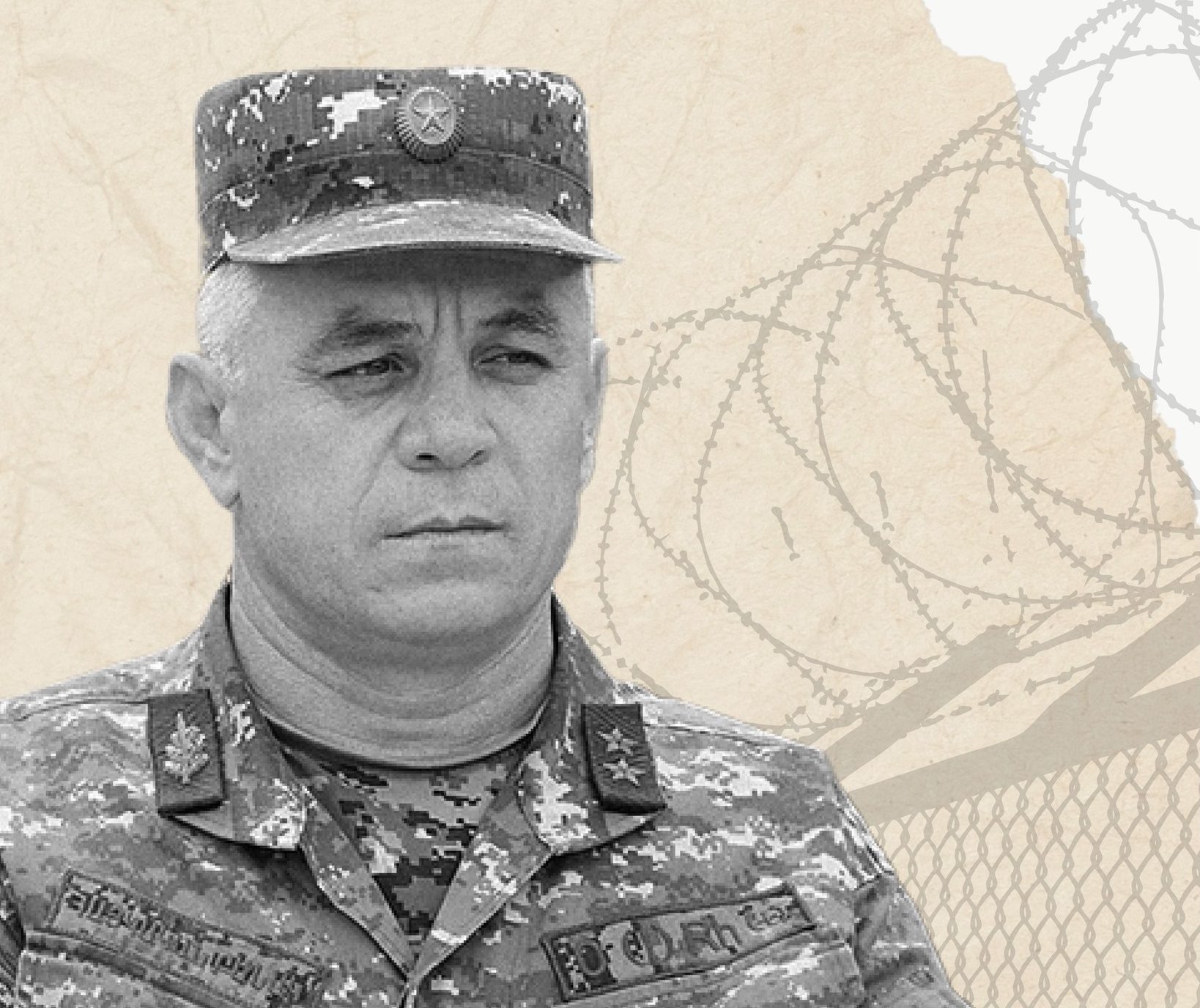
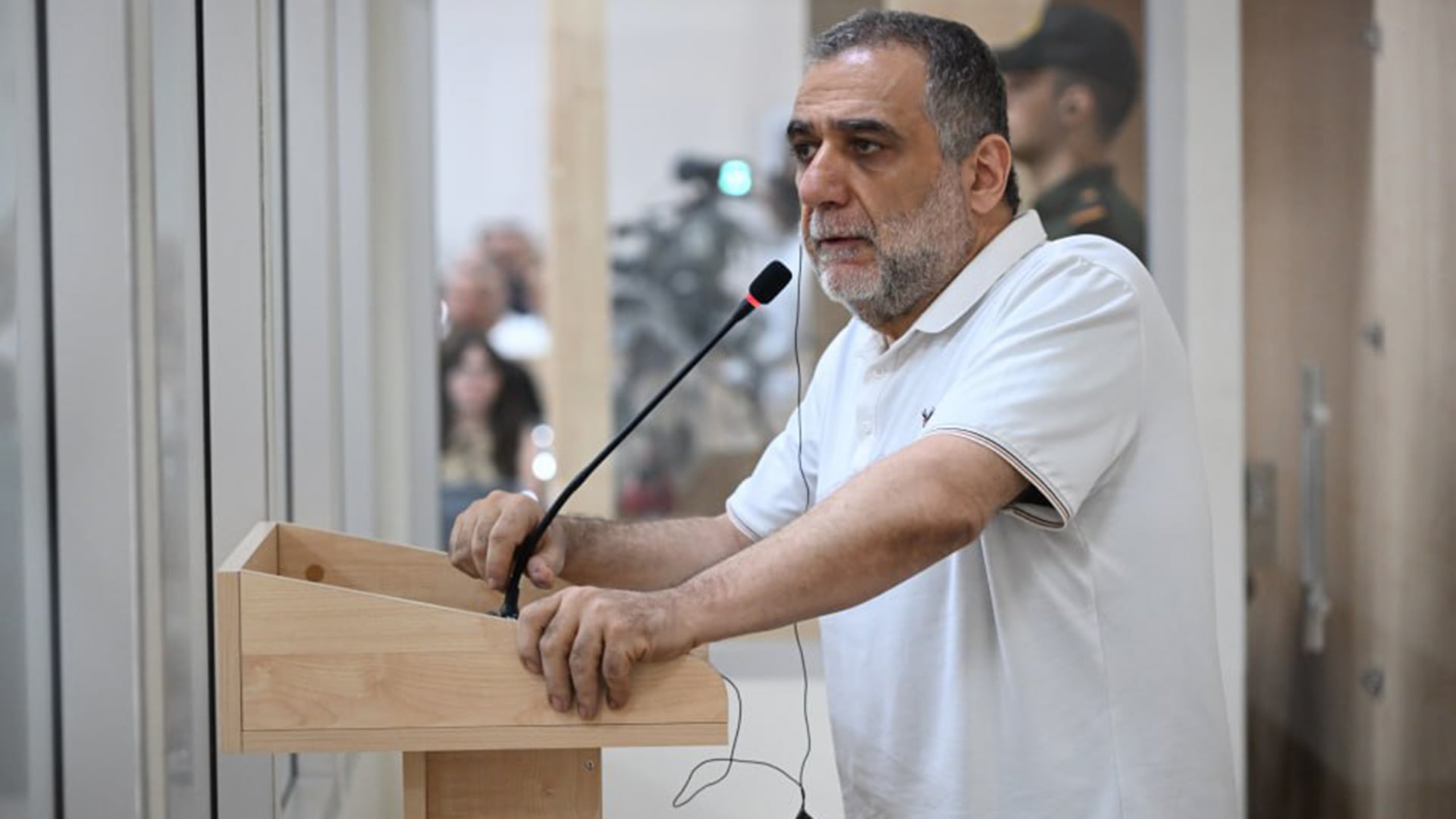
On 23 November 2025, in his final statement, former Commander of the Artsakh Defense Army, rejected three primary the charges brought against him.
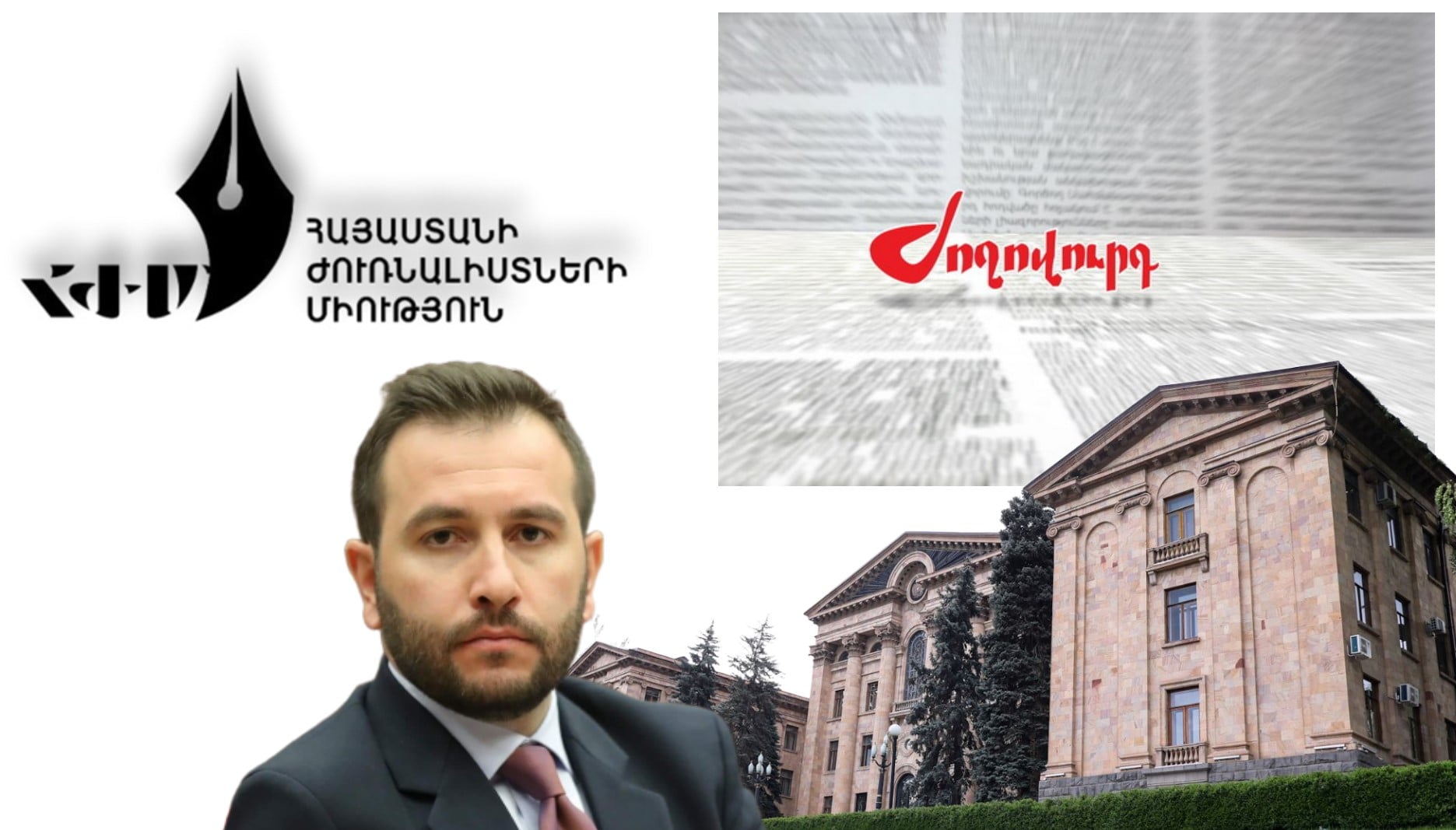
The Union of Journalists of Armenia calls on National Assembly officials vested with decision-making authority to return to a constructive course, restore journalists Knarik Manukyan and Sona Grigoryan’s
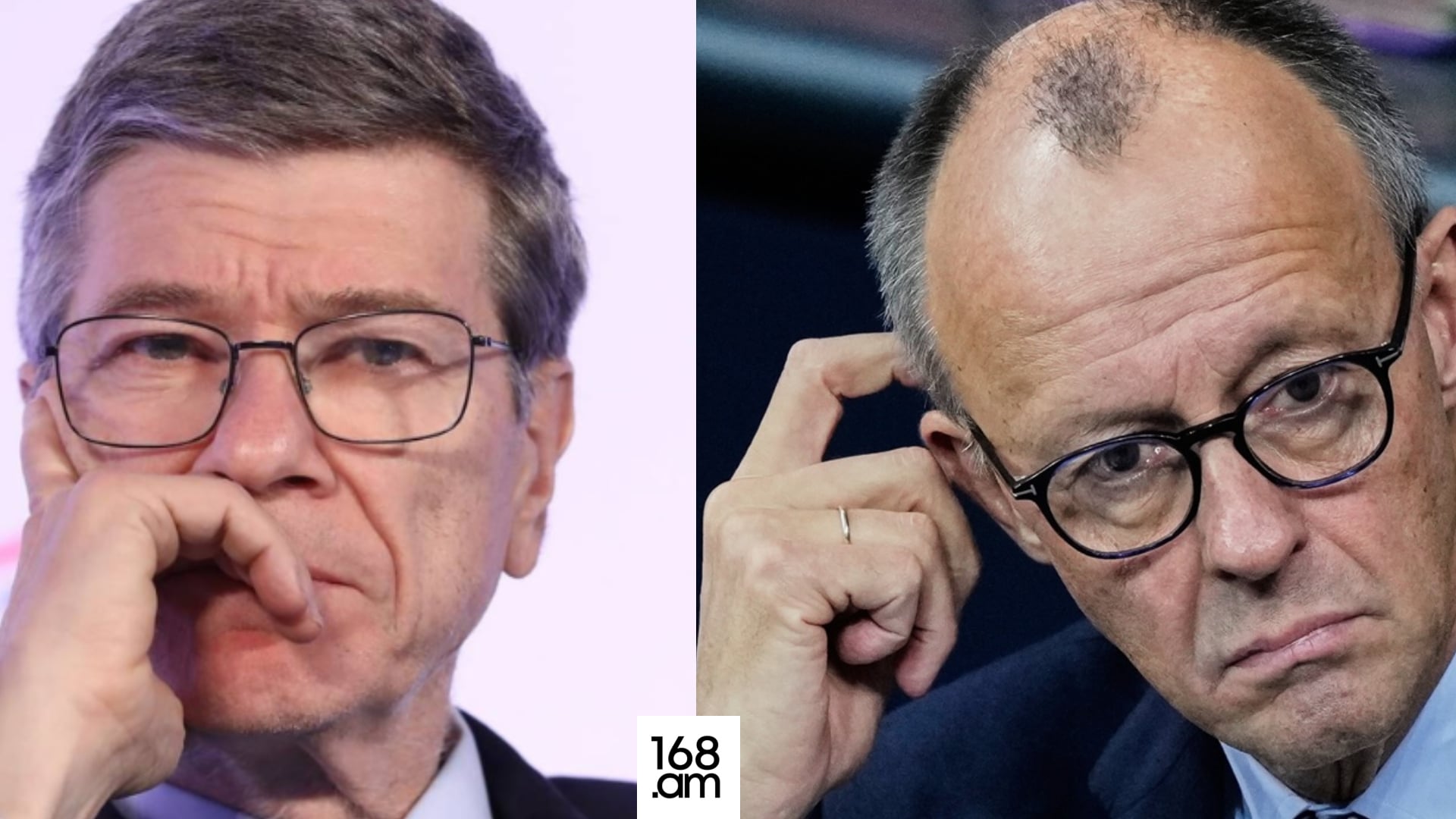
A history-and-reality-based open letter to Germany’s unfortunate Chancellor Friedrich Merz
Yesterday, Ruben Vardanyan had a phone conversation with his eldest son, David.According to Ruben, he is expected to be given the opportunity to make his final statement in court in the nearest future. In his remarks, he intends to emphasize the following:
The US approved Nvidia’s sale of advanced chips to Armenia late last month as part of a $500 million AI data center that’ll see 20% of its capacity reserved for Armenian companies and the remaining 80% sold to US-based firms doing business in the region according to Bloomberg. These ambitious tech plans build upon Armenia’s rich Soviet-era technological legacy, early tech education for children, and impending national high tech strategy, but there’s actually much more to them than a simple business opportunity.
By Archbishop Khajag Barsamian The Armenian people are living through a historic turning point. For the first time in centuries, we have an enduring and independent Republic of Armenia. Yet roughly three-quarters of the Armenian Apostolic faithful live outside its borders, in a vast and diverse diaspora. This new reality raises an urgent but often […]
Since its inception in 2023, the Doing Digital Forum has welcomed more than 3,000 participants and over 60 internationally recognized speakers from across Armenia, Europe, the Middle East, and beyond. Over the years, it has established strong partnerships and collaborations with key institutions shaping the digital landscape.
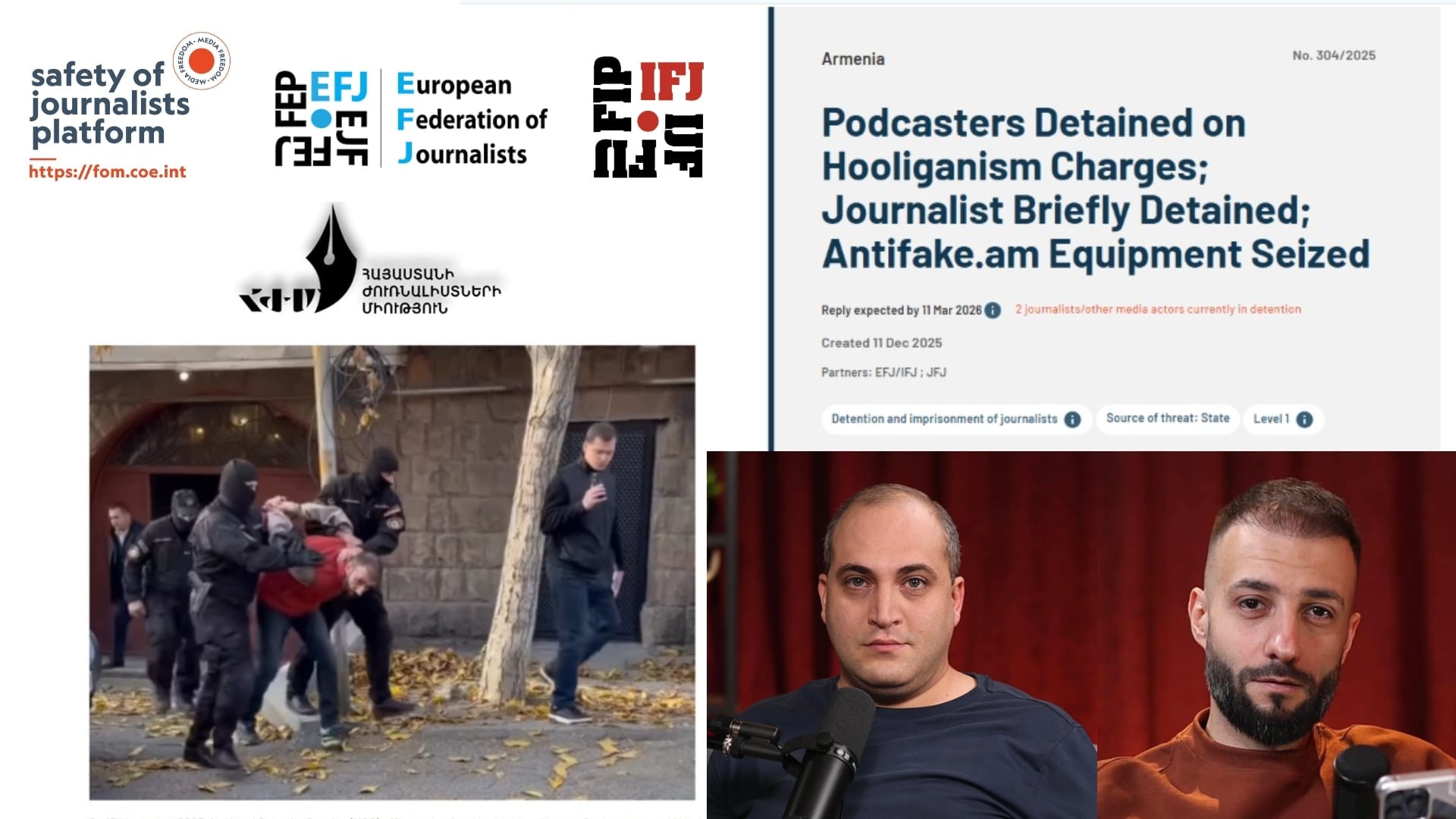
On 13 November 2025, National Security Service (NSS) officers detained podcasters Vazgen Saghatelyan and Narek Samsonyan, co-hosts of the Imnemnimi political podcast on Antifake.am, as well as Antifake.am journalist Davit Fidanyan, who was later released.
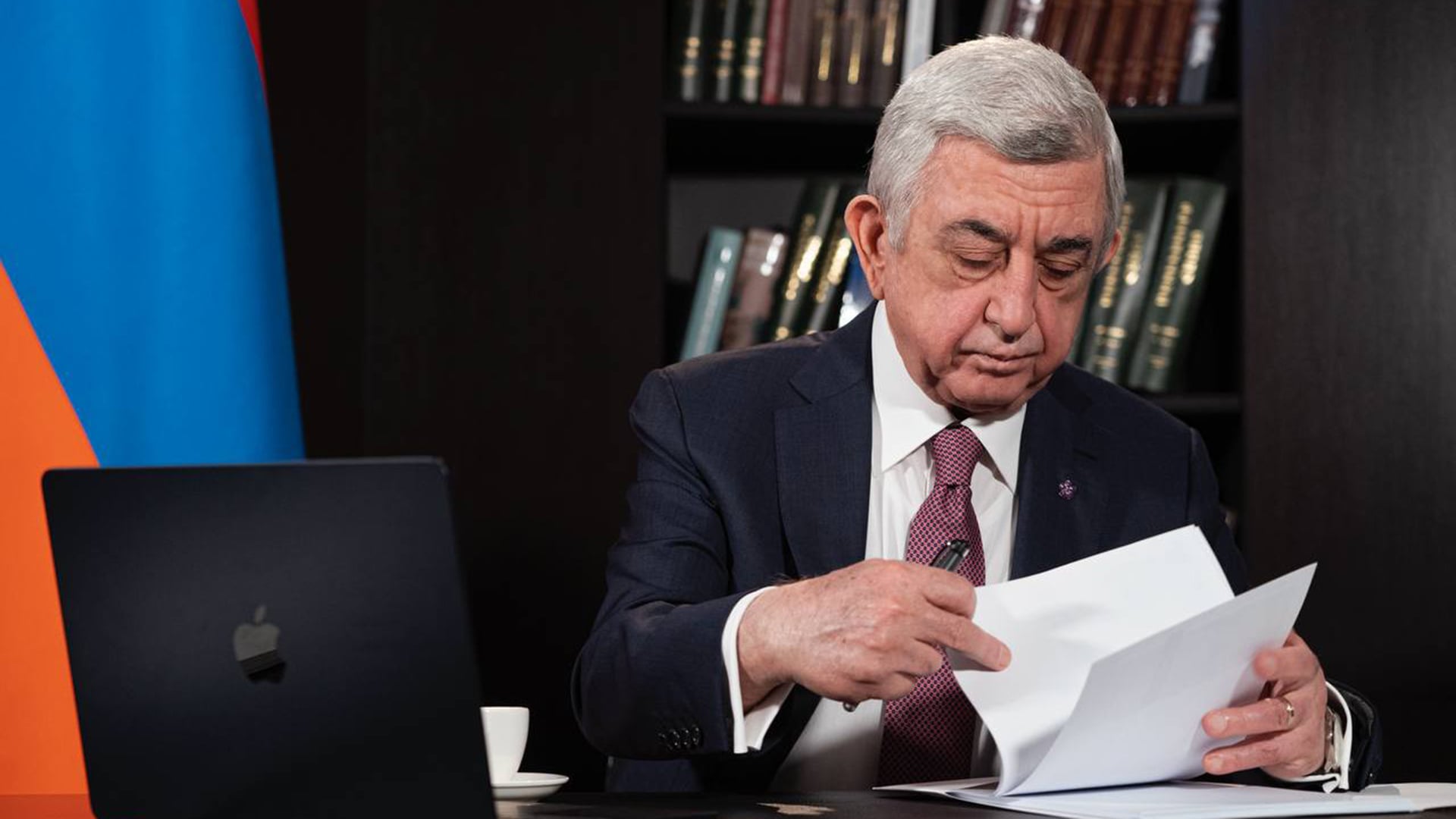
Serzh Sargsyan, the third President of the Republic of Armenia (2008-2018), responded to the Armenian government’s publication of a package of negotiation documents related to the Nagorno-Karabakh conflict.