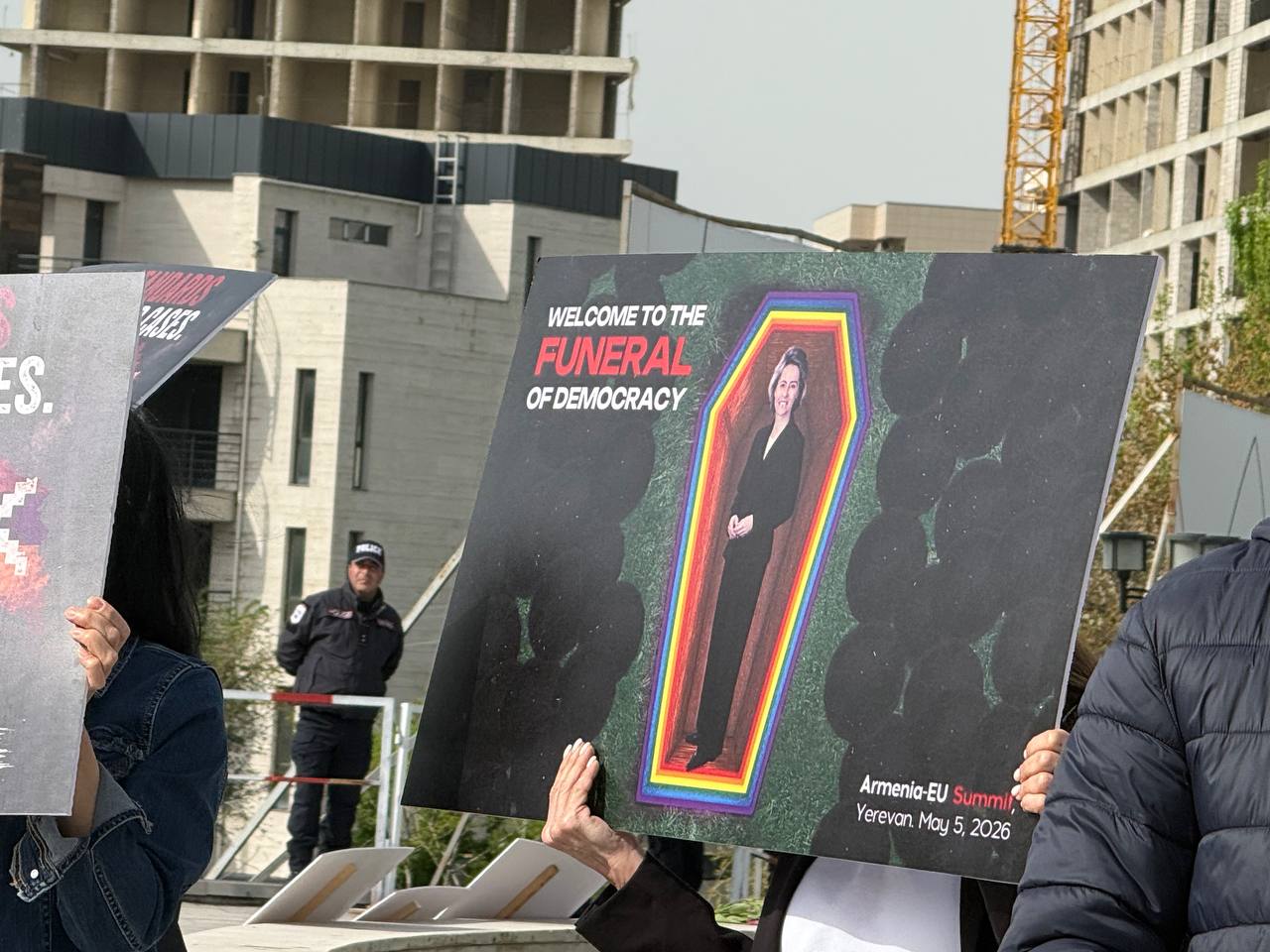
Welcome to the Funeral of Democracy: How the reception of Ursula von der Leyen and Other European Officials went on
Putin’s main like-minded ally and protégé in Armenia is Nikol Pashinyan: Aram Abrahamyan
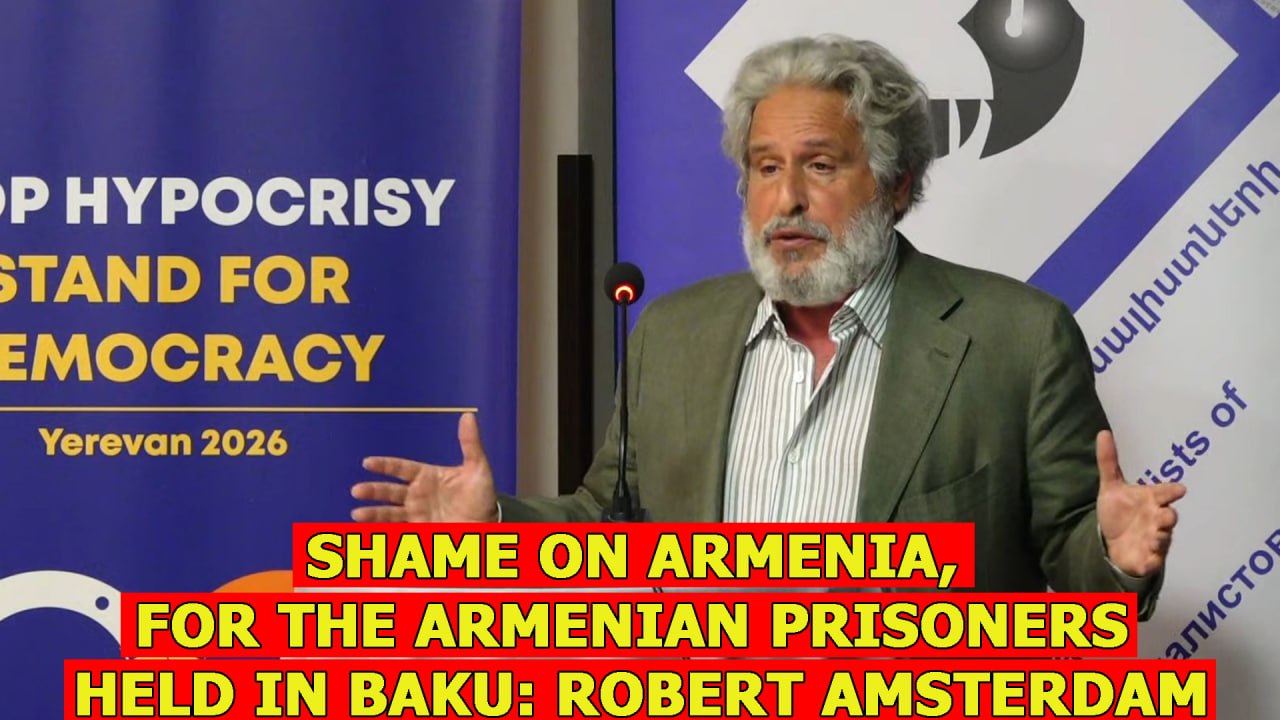
Shame on Armenia, for the Armenian prisoners held in Baku: Robert Amsterdam
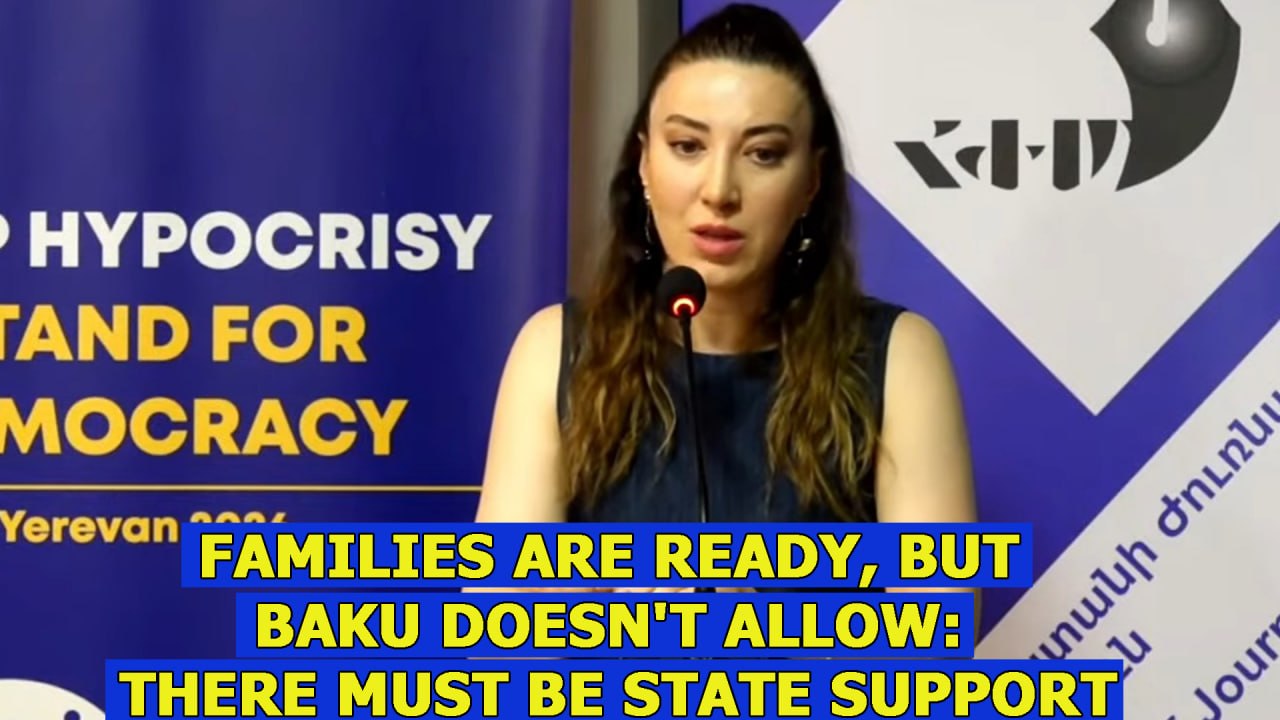
Families are ready, but Baku doesn’t allow: there must be state support: Siranush Sahakyan
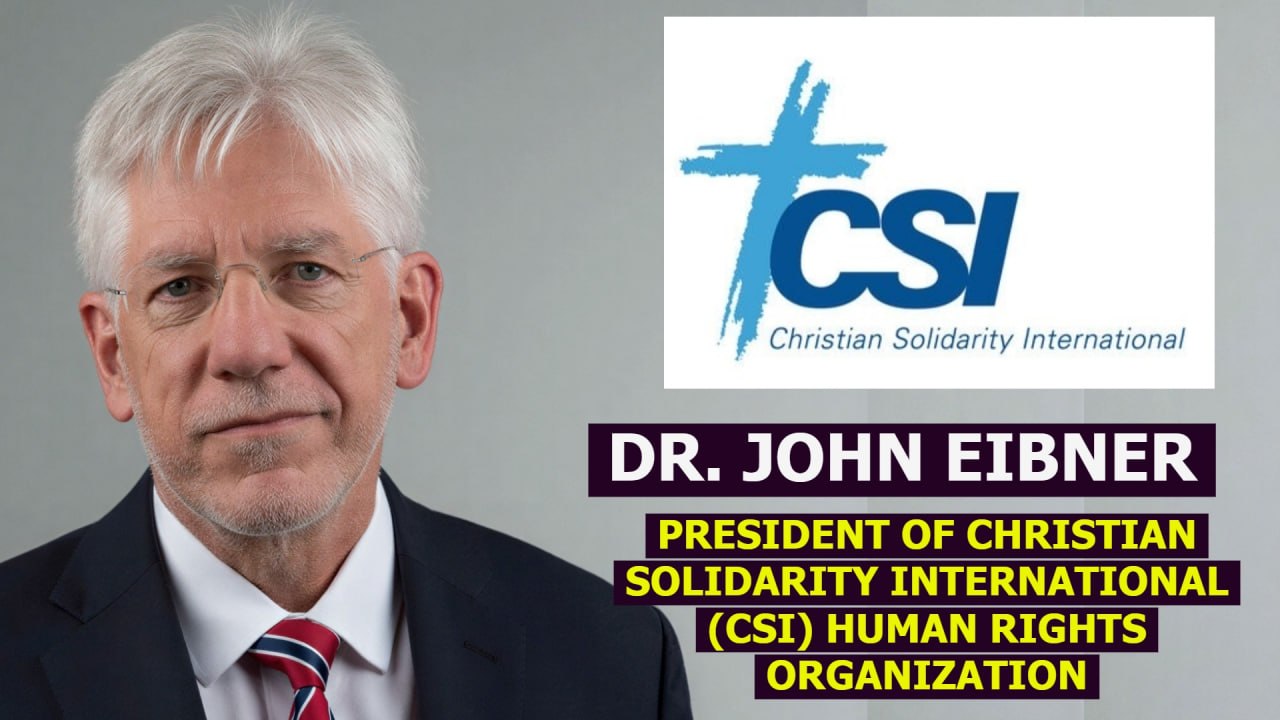
Pashinyan is prepared to meet all conditions by Baku to solve his political issues: John Eibner
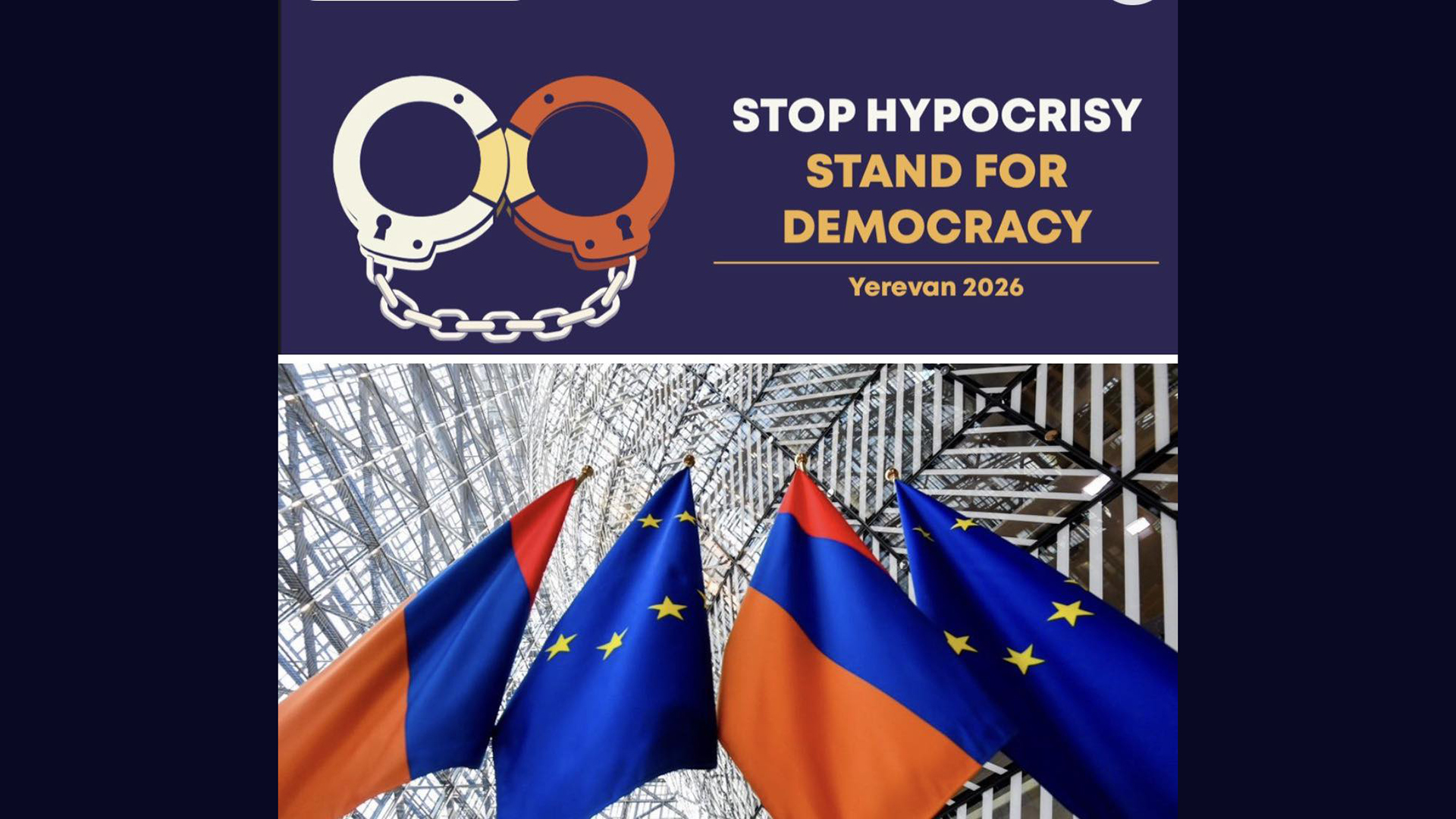
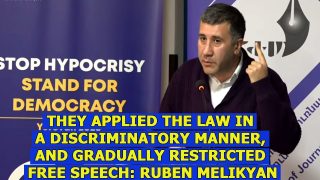
#LIVE. VOICE OF ARMENIA: STOP THE HYPOCRISY AND TO STAND FOR DEMOCRACY
“Welcome, dear followers. This is the “Review” program on 168 TV. I am Aram Sarkisyan, and Dr. John Eibner, President of Christian Solidarity International (CSI) human rights organization, is our guest today. He joined us from Switzerland.”
The inaugural Armenia–European Union Summit will be held in Armenia, on 4-5 May, 2026. In the lead-up to the Summit, officials of the European Union, heads of different countries, and representatives of the international media are expected to arrive in Armenia.
Shame on Pres. Donald Trump for doubling down on his repeated refusals to acknowledge the Armenian Genocide. This is what happens when a man with no moral values or principles — a convicted felon (34 counts), in addition to being found liable for sexual assault — is elected President of the United States.
Six Armenian political parties affiliated with European political families have jointly addressed a letter to the leadership of the European Union, participants of the upcoming European Political Community (EPC) Summit in Yerevan, and the heads of their respective political families. In the letter, the parties raise concerns over the anti-democratic developments in Armenia, as well as the problems of our compatriots held in Azerbaijan and the Armenians of Artsakh.