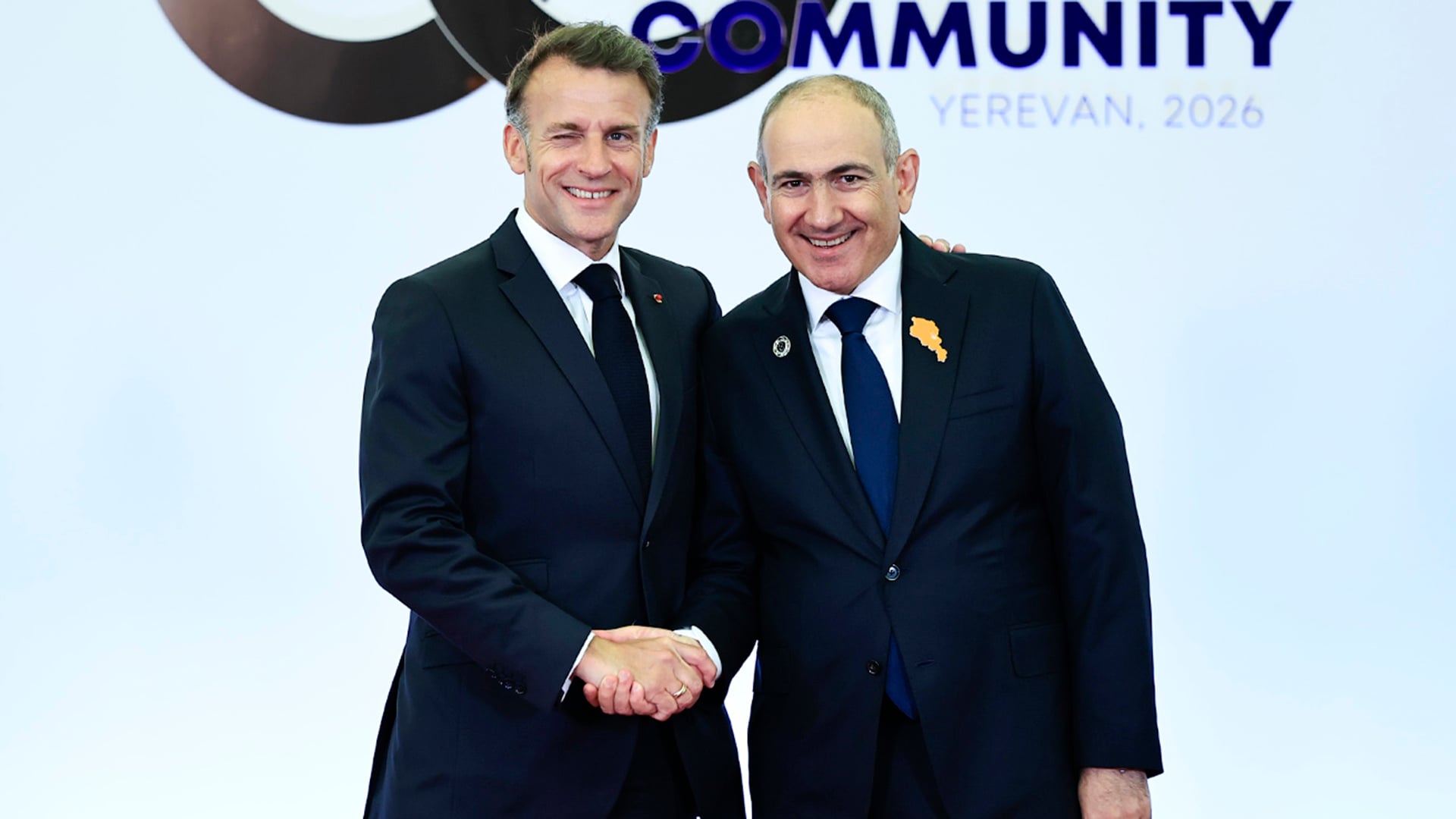
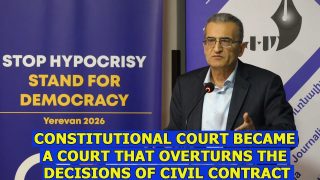
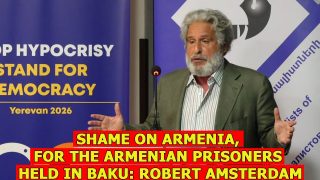
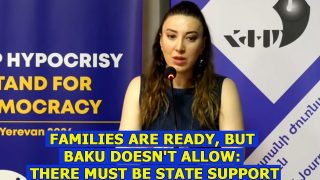
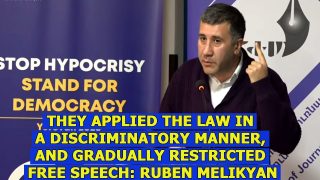
#BREAKING: RUBIO AND MIRZOYAN ISSUE STATEMENTS IN ARMENIA. #LIVE
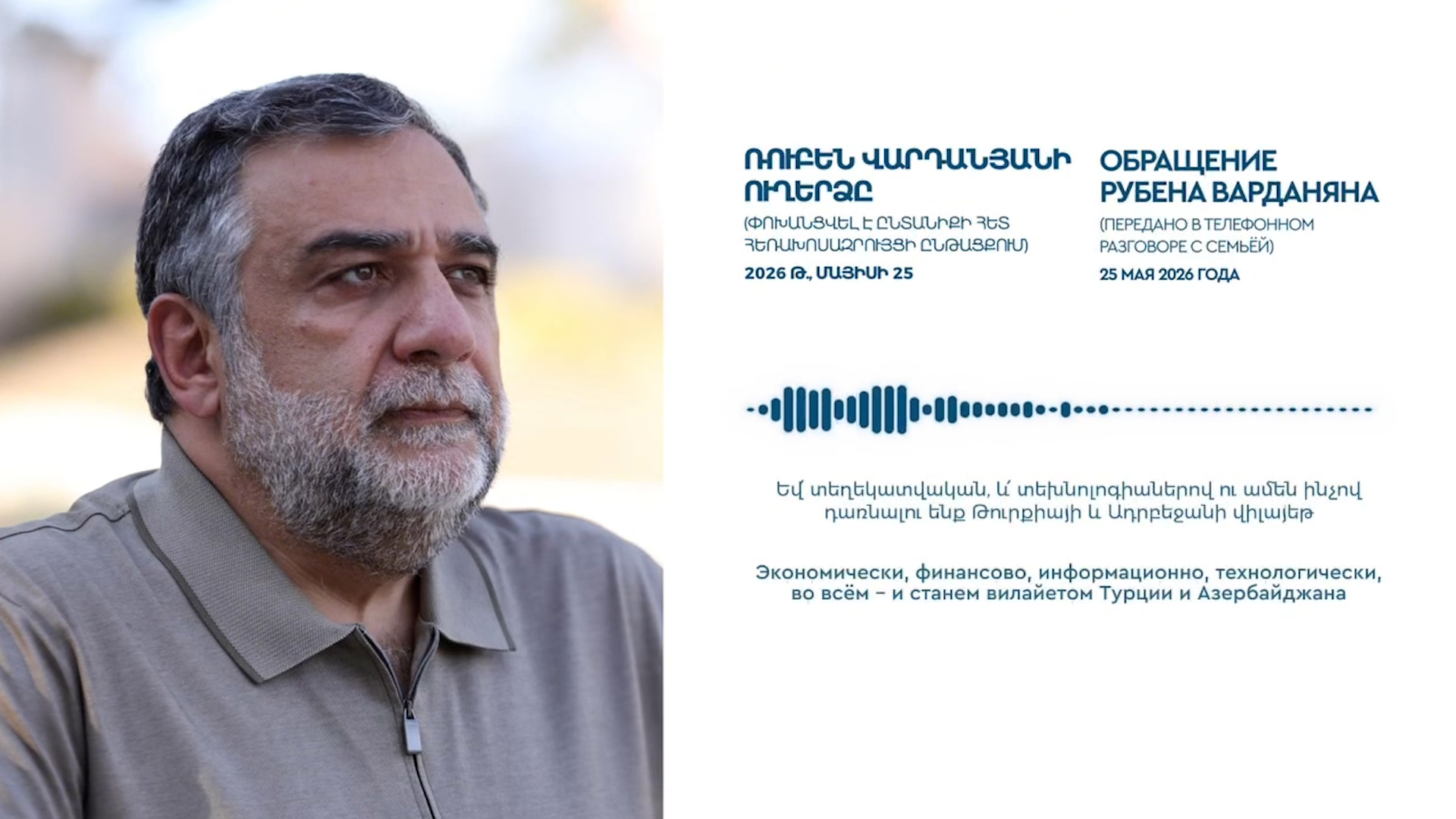
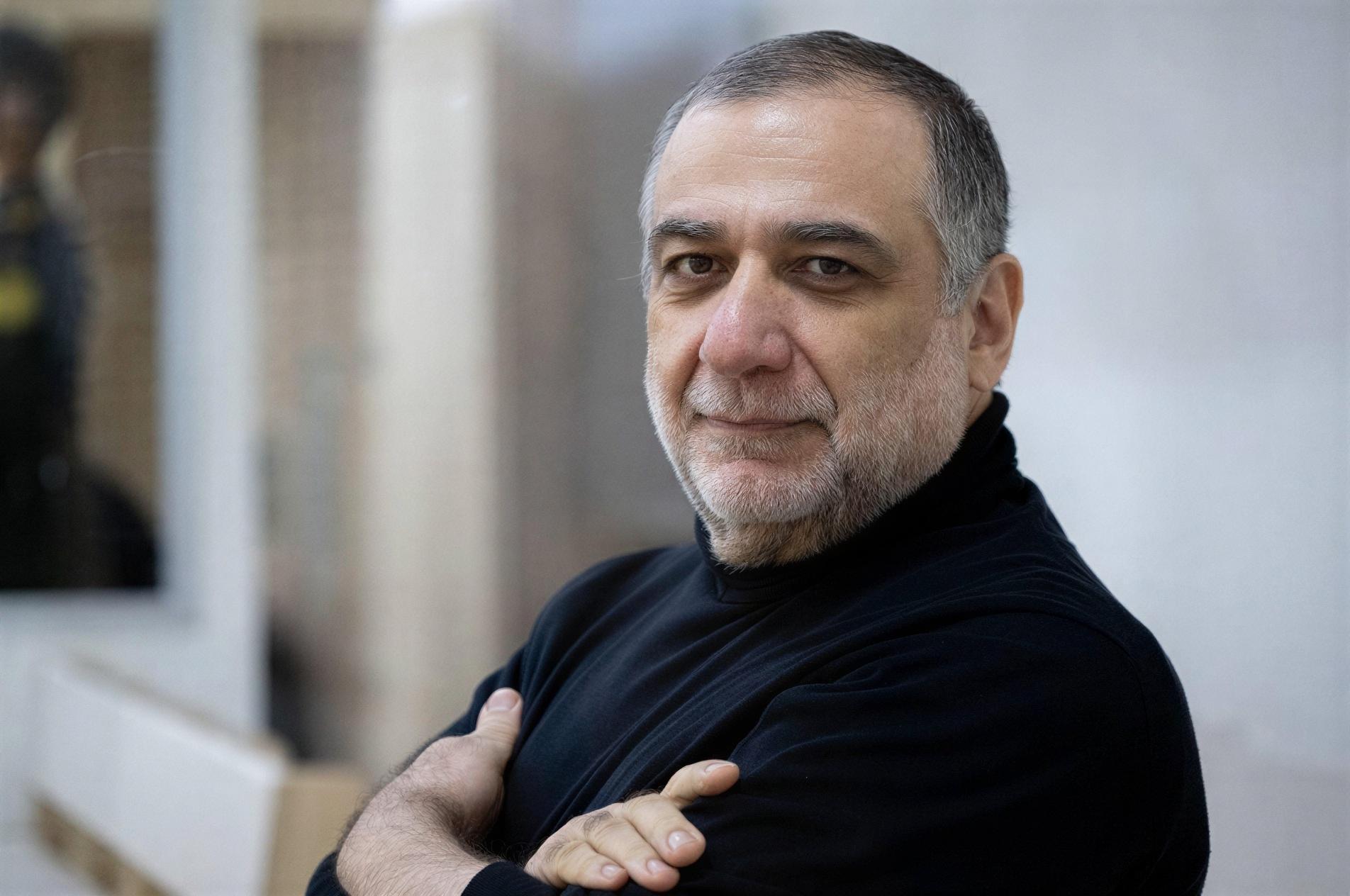
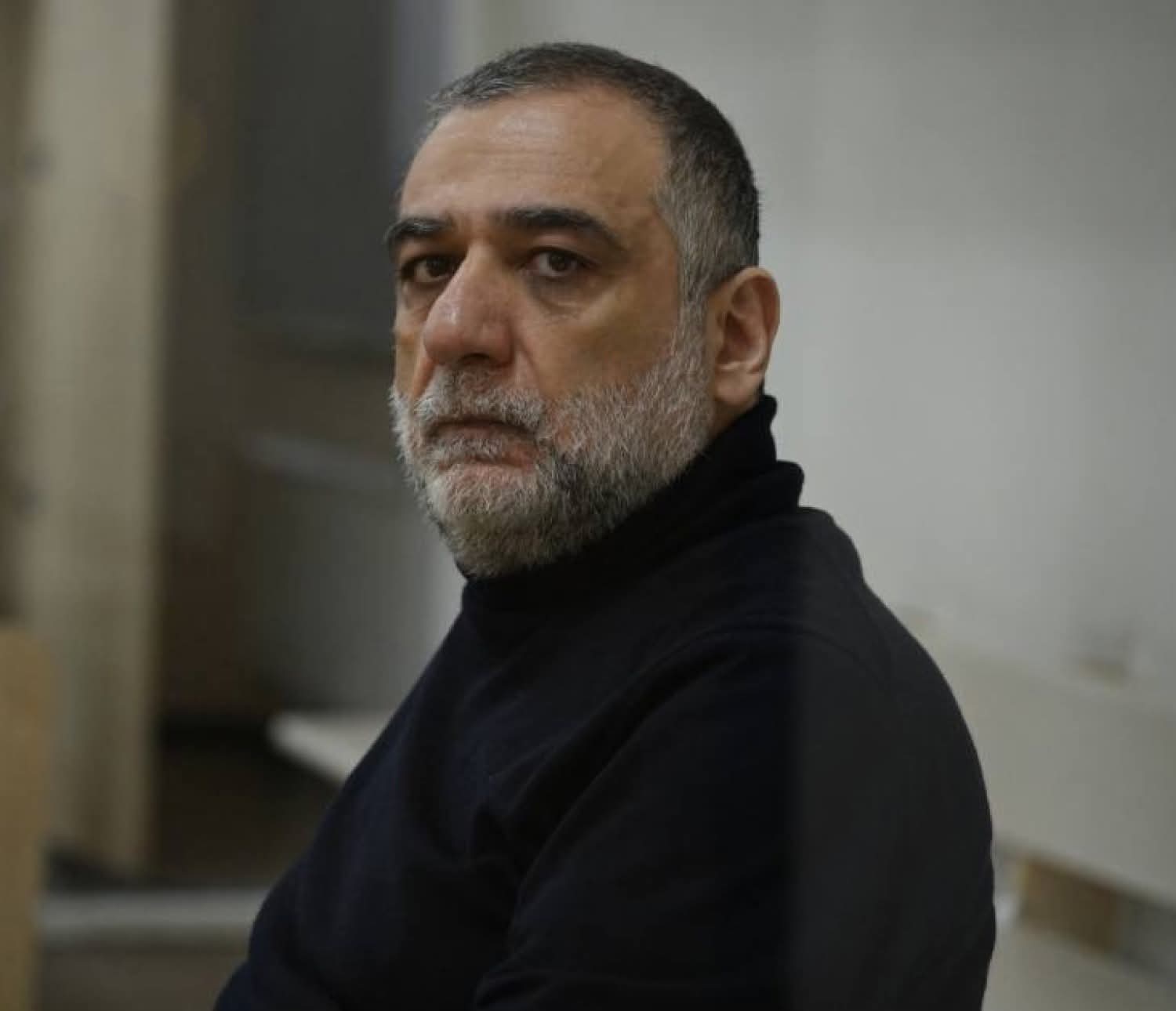
May 25 is Ruben Vardanyan’s birthday. His third in unlawful detention in Baku.
The International Commission of Jurists (ICJ) has published a report on the problems within Azerbaijan’s justice system titled “Justice Under Pressure: Independence of Lawyers and the Right to a Fair Trial in Azerbaijan.”
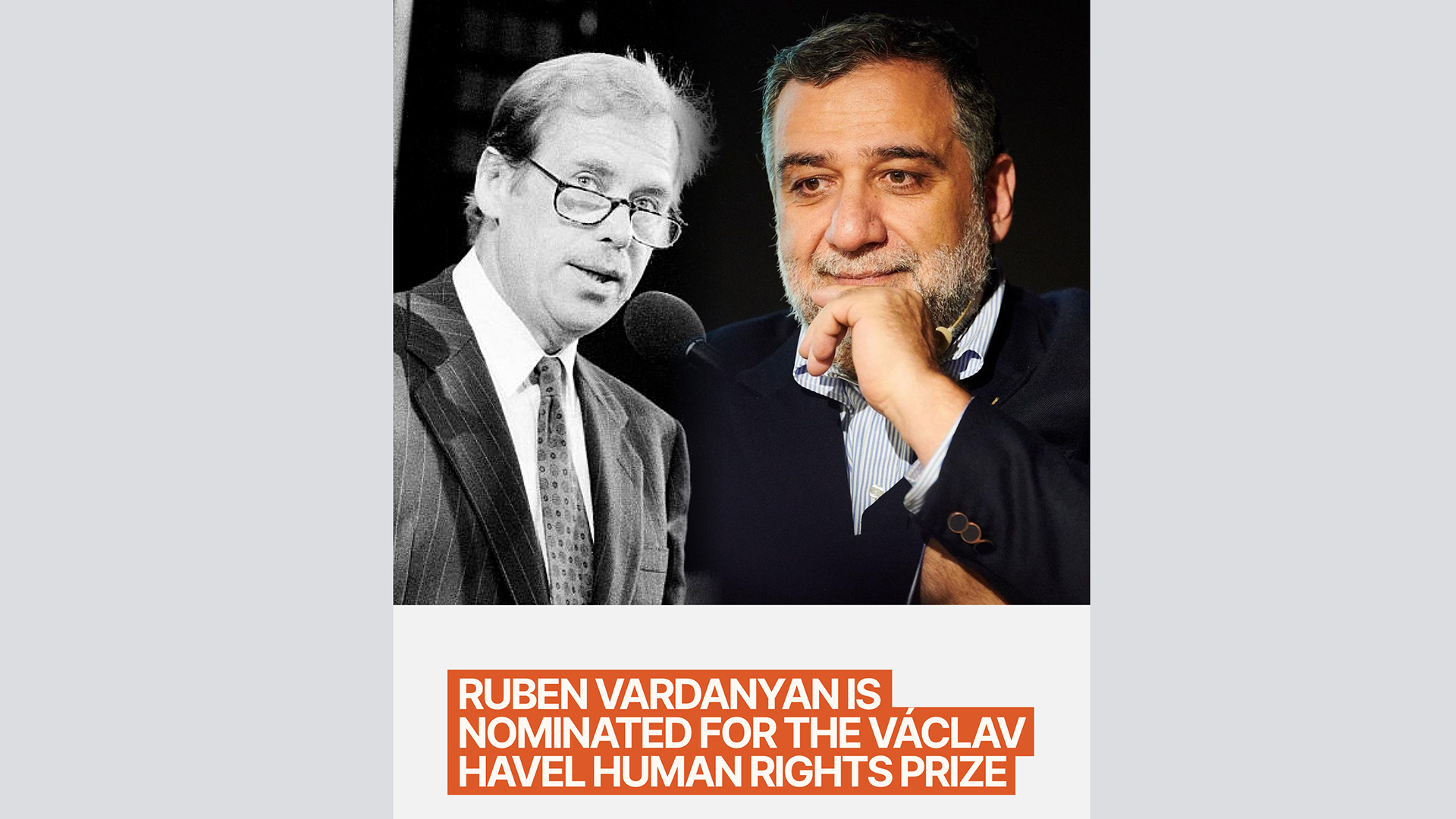
A group of prominent human rights defenders from different countries around the world have nominated Ruben Vardanyan for the 2026 Václav Havel Human Rights Prize. The nominating group has issued a statement, which is presented below.
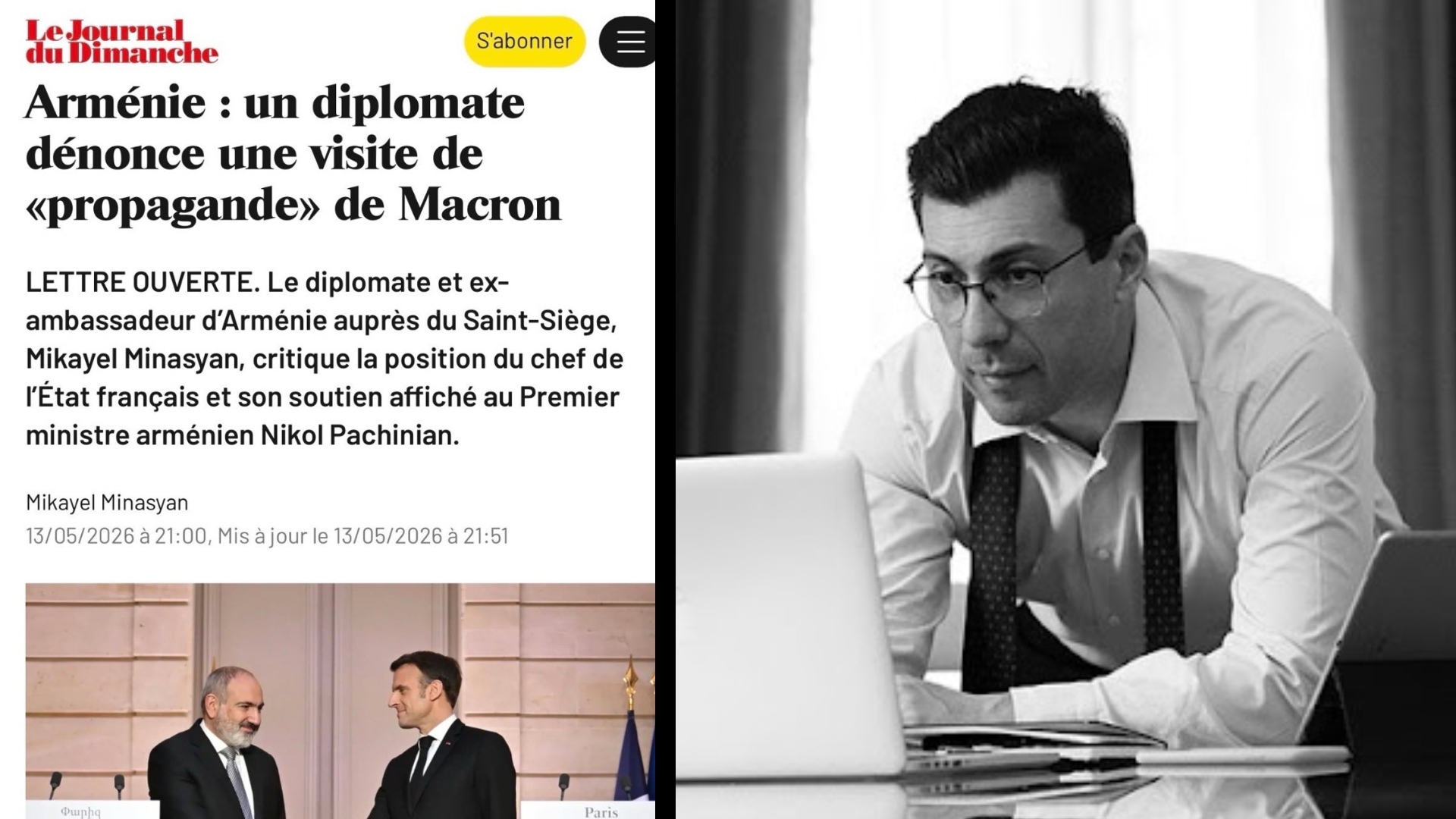
The prestigious French periodical Le Journal du Dimanche has published an open letter from the former Ambassador of Armenia to the Holy See, Mikayel Minasyan, addressed to the President of France, Emmanuel Macron. Notably, the letter has also been officially delivered to the Élysée Palace.
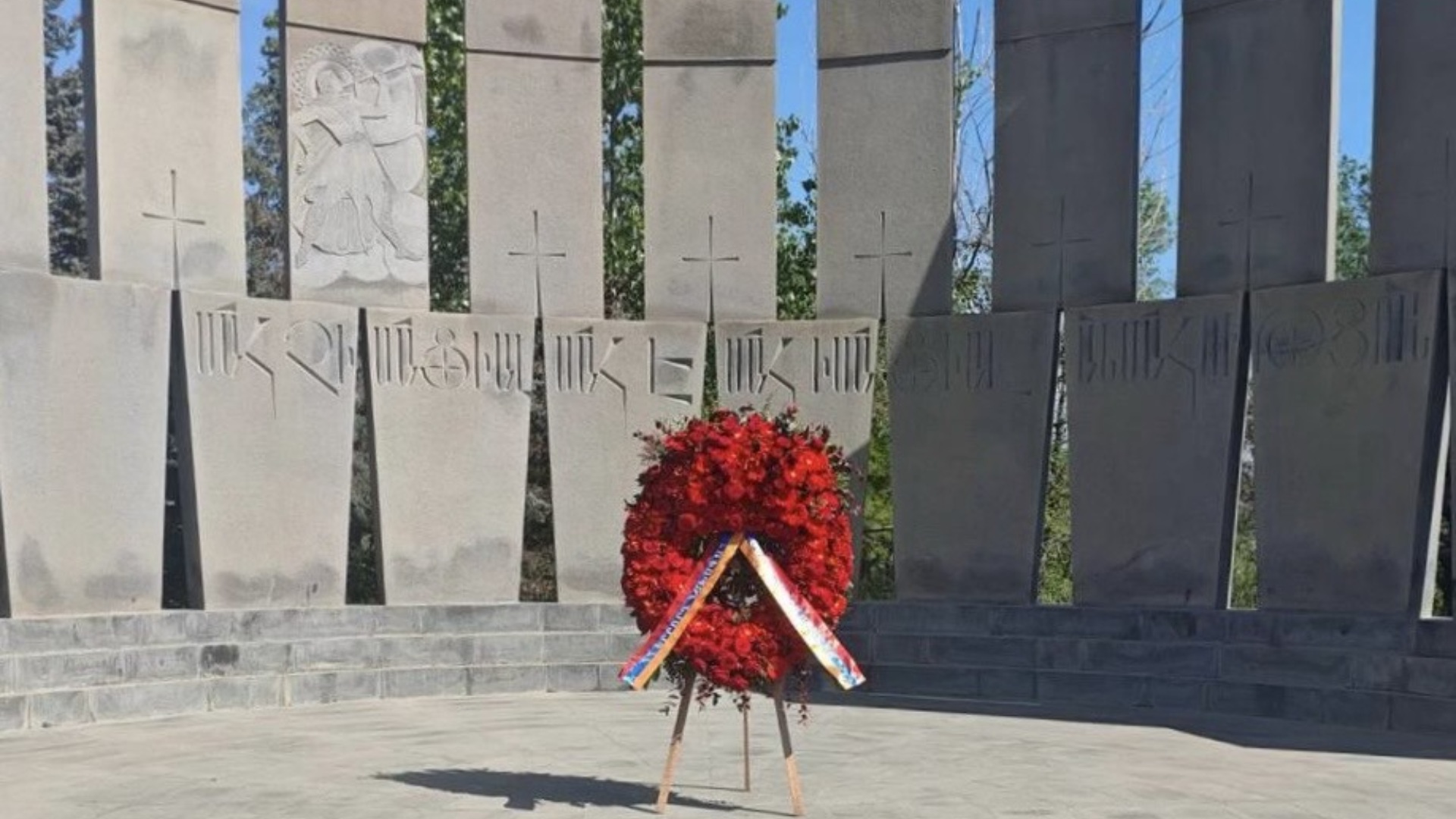
Today on behalf of the Third President of the Republic of Armenia, Chairman of the Republican Party of Armenia Serzh Sargsyan a wreath was laid at the Yerablur military pantheon at the memorial which immortalizes the heroic deeds of those who gave their lives for freedom and independence of Fatherland.
If the protection of Armenian citizens held in Azerbaijani prisons does not fall within the mandate of Armenia’s Human Rights Defender, then whose mandate is it?
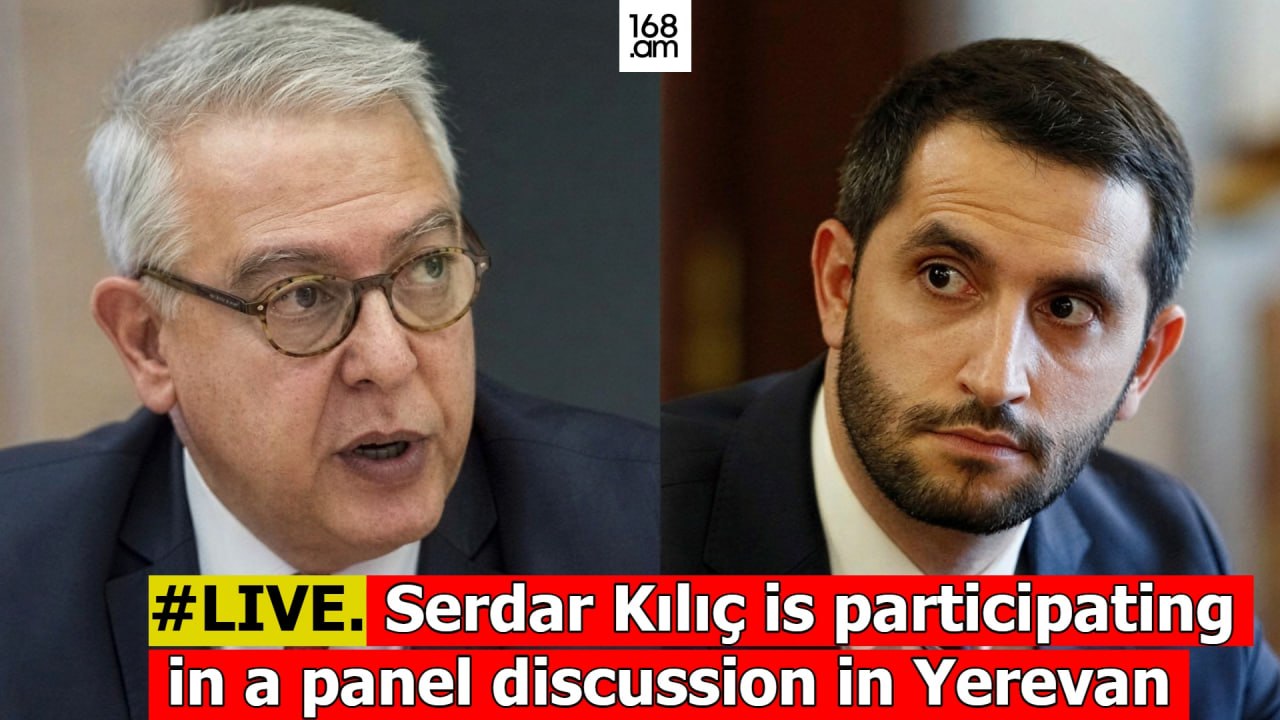
#LIVE. Serdar Kılıç is participating in a panel discussion in Yerevan
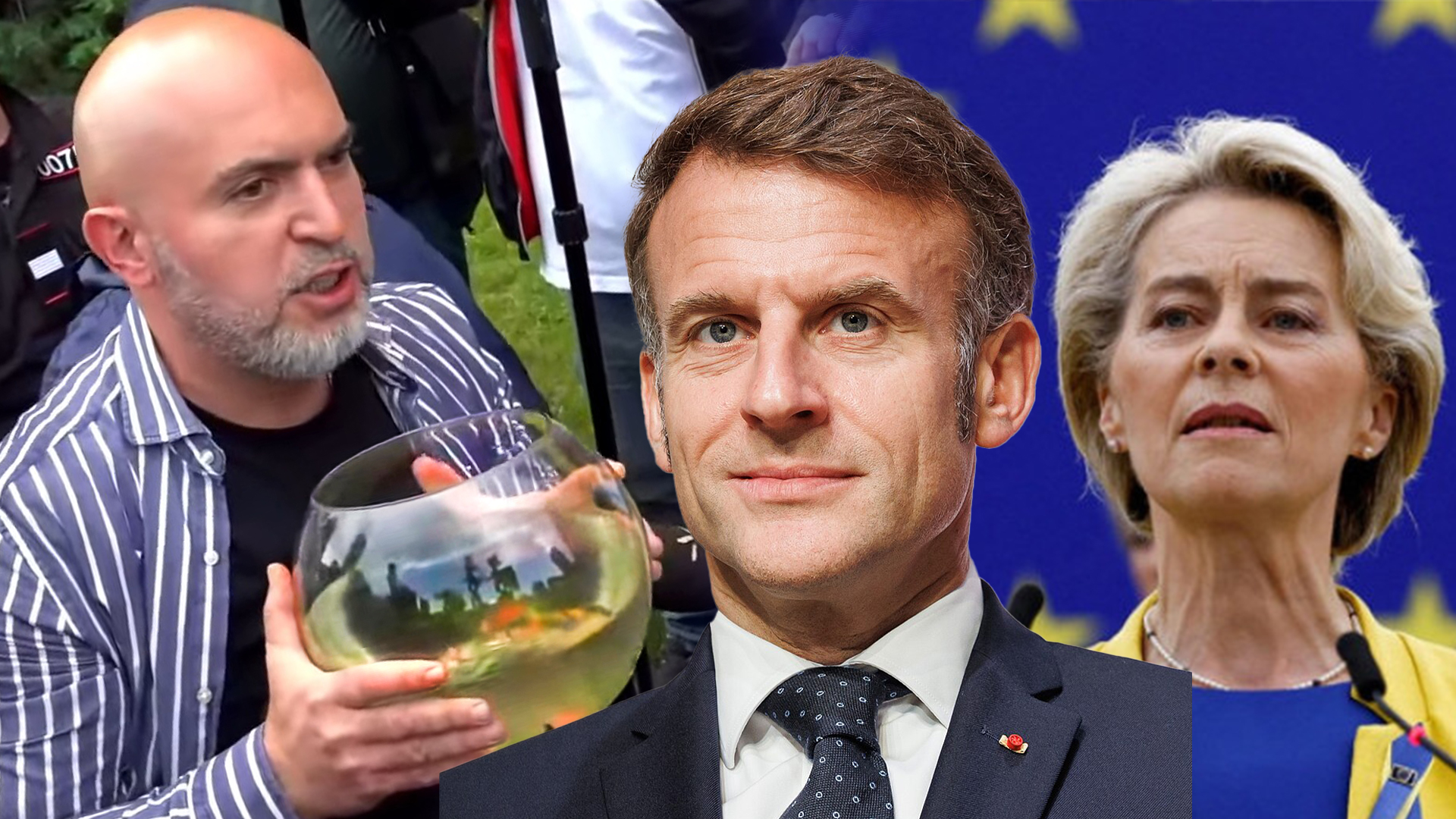
“This aquarium symbolizes the Sports and Concert Complex, with its gathered guests—isolated, like fish in an aquarium, from the real people and real issues. They have assembled and isolated themselves from our genuine voice and concerns. They have been isolated so that Europeans do not interact with the Armenian people.
Let’s be honest: eight years ago, no one would have come here. Eight years ago, this country was viewed at the negotiating table as a de facto satellite of Russia.