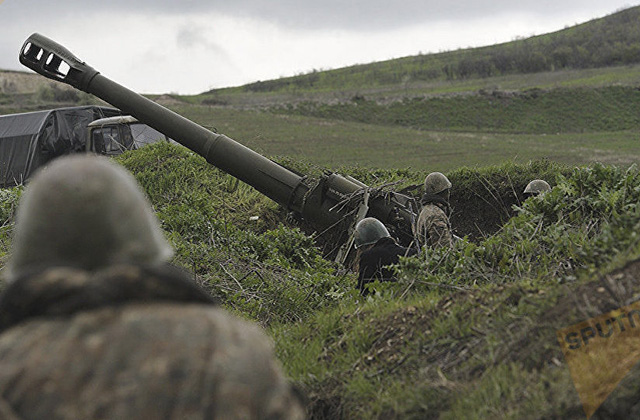
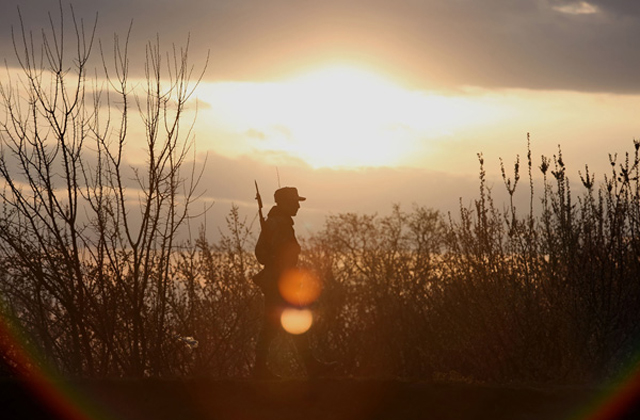
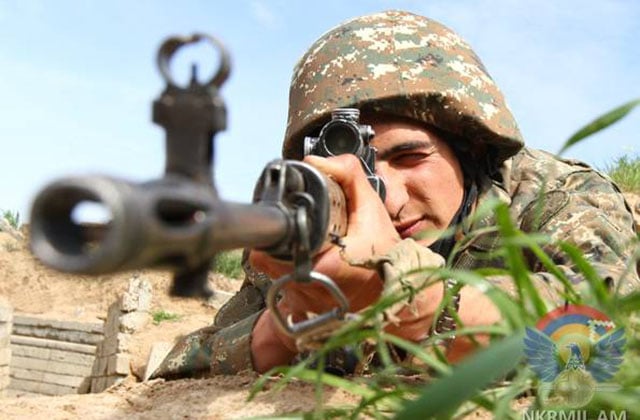
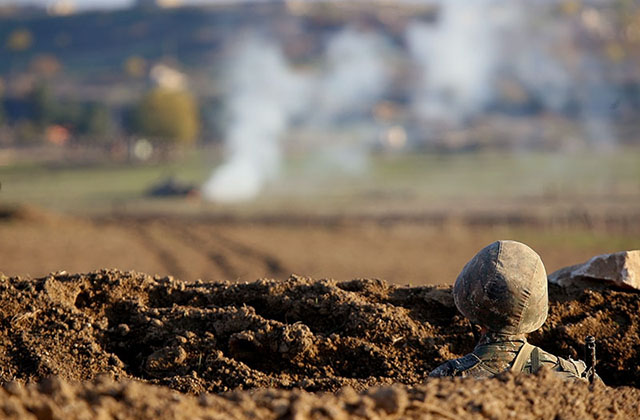
“On April 11 and overnight April 12 Azerbaijani forces made more than 25 ceasefire violations, firing over 400 shots at Artsakh positions from various caliber firearms. The Defense Army refrained from taking countermeasures and confidently continued their service,” the Defense Ministry said in a statement.
Azerbaijani forces made over 50 ceasefire violations on April 10 and overnight April 11 in the ArtsakhAzerbaijan line of contact, firing over 1620 shots at Artsakh positions from various caliber firearms.
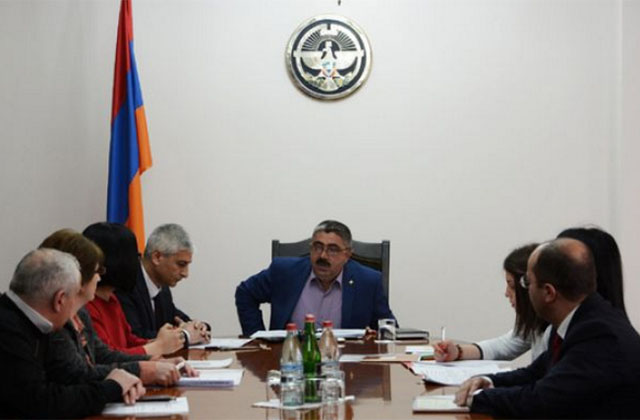
The tender on privatizing Artsakhgas CJSC, which was announced by the government of the Republic of Artsakh, was held on April 10. Gagik Israyelyan, deputy head of the state property management department of the government and chairman of the commission chaired the tender.
On April 9 and overnight April 10 the situation was relatively calm at the ArtsakhAzerbaijan line of contact. The Azerbaijani side violated the ceasefire regime over 30 times by firing more than 250 shots from various caliber small arms at the Armenian positions.
“On April 7 and overnight April 8 the Azerbaijani side violated the ceasefire regime more than 20 times by firing over 230 shots from various caliber small arms at the Armenian positions in the Artsakh-Azerbaijan line of contact.
“We support the Minsk Group and its efforts aimed at settling the Karabakh conict. EU Special Representative for the South Caucasus Herbert Salber also deals with this conflict,” Malena Mård said.
On April 6 and overnight April 7 Azerbaijan violated the ceasefire more than 25 times, firing over 400 shots from various caliber firearms at Artsakh positions. Azerbaijani forces also fired 60mm mortars (4 shells) in the north-eastern direction of the line of contact.
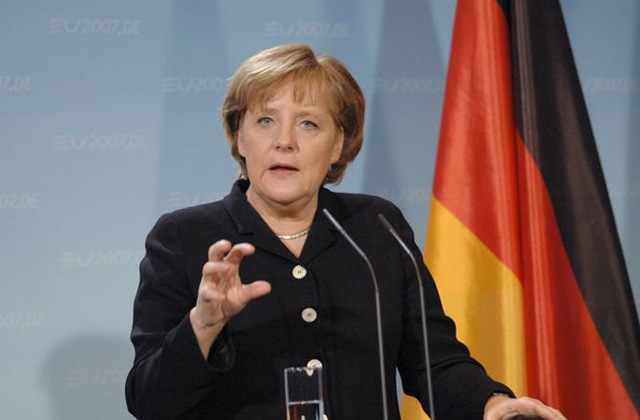
“I am convinced that Azerbaijan, as well as the entire region, will be capable of utilizing their entire potentials only after the settlement of regional conflicts. As an OSCE Minsk Group member, Germany will continue its involvement in peaceful settlement of Nagorno Karabakh conflict, as well as will support the efforts of the Co-chairs,” Merkel said.
The Defense Ministry of the Republic of Artsakh announces that the Azerbaijani information is false. Moreover, around 12:40-13:15 Azerbaijan fired four 60mm mortar shells at military positions in the direction of Martakert.
A year ago, the military operations launched in Nagorno Karabakh on April 2-5 and surrounded people of the region with pain were ceased. As a Minsk Group Co-Chair, France with its Russian and American partners mobilized its forces to stop the clashes and resume the talks between Armenia and Azerbaijan.